

Dallas Water Restrictions and the Case for Artificial Grass
Back in 2012, Dallas made its twice-a-week maximum for lawn watering permanent. It wasn’t a temporary drought order that expired when the rain came back. For everyone inside the city with a sprinkler system, it…
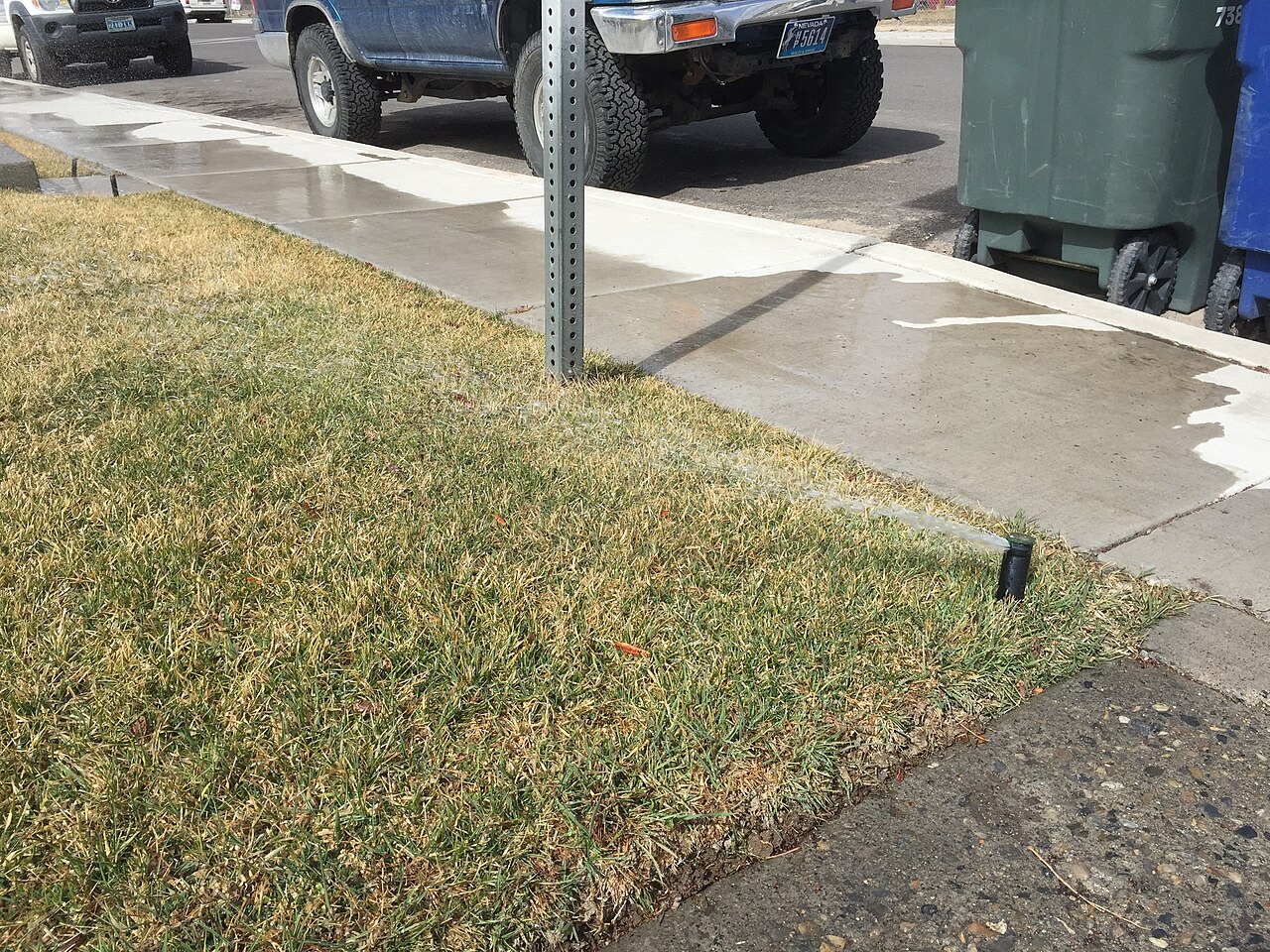
Back in 2012, Dallas made its twice-a-week maximum for lawn watering permanent. It wasn’t a temporary drought order that expired when the rain came back. For everyone inside the city with a sprinkler system, it became the normal way of doing things, and the rules have only tightened since then, including limits on running sprinklers during the hottest part of the day.
That one rule changes how a lot of homeowners think about their lawns. Summer here runs from May well into September. If you only get a couple of watering days a week, inside set hours, keeping a thirsty lawn lush turns into a part-time job you’re set up to lose.
How the rules play out in your yard
The details depend on your address. Dallas Water Utilities runs the schedule inside the city and assigns watering days by address. The suburbs write their own rules, and many in Collin County and beyond follow the North Texas Municipal Water District, which supplies water to a large share of the region. When things get dry, cities can step up to stricter stages.
In all of them, you can’t water just because the grass looks thirsty. From a supply point of view, that makes sense. North Texas leans hard on reservoirs, and a few hot, dry summers in a row can pull them down quickly. Almost every lake in Texas is man-made, in fact. Caddo Lake, on the Louisiana line, is usually cited as the only natural one in the state. But the limits squeeze yards that were planted as if water would always be there.
So plenty of families look into artificial turf in Dallas. For most of them it’s a way to stop battling rules they actually support, and luxury doesn’t really come into it.
Twice a week isn’t much for grass
With everything else in its favor, Bermuda or St. Augustine can get by on limited water. Deep soaks at the right time push roots deeper, and a healthy lawn can handle some stress. Around Dallas, everything else is rarely in its favor.
Clay is one reason. Heavy Blackland Prairie soil takes in water slowly, so a long sprinkler cycle often runs down the curb before it sinks in. Lots of people split their cycles so the water has time to soak, and that gets harder when your window is short.
Shade is another. Lakewood, Kessler Park and Preston Hollow have beautiful old trees, and the grass under them never gets enough light or water. Newer subdivisions have the reverse problem, with thin topsoil over packed clay and no shade anywhere.
And then there’s the heat. Long stretches of triple-digit afternoons wear down grass even when it’s well watered. On a restricted schedule, lawns often go dormant and brown by midsummer no matter how careful the owner is.
Life after the lawn
Replace some or all of the grass with turf and the watering schedule mostly drops out of your life. You don’t have to remember which days are yours, and you stop worrying about a code violation because a timer misfired.
The sprinkler zones that used to feed the lawn can be capped or switched to drip for beds and trees. Lawn irrigation is usually the biggest outdoor water use, so summer bills come down noticeably. The yard stays green through dormancy season and through every drought stage. Mowing, edging, fertilizing and reseeding all go away.
You will still use some water. Pet areas need rinsing, and a quick spray cools the surface on a hot afternoon. It’s a small fraction of what a whole lawn needs.
Don’t skip these parts
A turf yard is only as good as its installation, and Dallas soil makes that doubly true.
Drainage
Rain still lands on turf, and pets still use it. A proper job removes the sod and some of the clay, then builds a compacted crushed-rock base so water goes through the backing and drains off. On clay, a shortcut here shows up fast as puddles, soft spots or odor.
The trees
People forget this one all the time. Cap the lawn irrigation and your trees may lose the water they’d been getting from the sprinklers without anyone noticing. Run drip lines or soaker hoses to the root zones of the big ones. Drip and hand watering often have looser rules than sprinklers, but check what your city says right now.
The foundation
Clay shrinks when it dries and swells when it’s wet, and foundation movement is a real concern in Dallas. Ask your installer about grading and about keeping moisture even around the slab.
The product
Households with pets should look for strong drainage backing and an infill that helps with odor. Families with kids usually want a softer blade that still holds up. A front yard that people mostly just look at can use something else again.
Out in the suburbs
Suburban rules may not match Dallas proper, but the reasoning carries over. Take Frisco. It has grown fast, with lots of new construction, young sod and HOA landscape standards to meet, and it’s in a region where water conservation keeps coming up. Owners there tend to want a lawn that looks finished and stays that way without heavy watering.
On a Frisco job, it helps to hire someone who already knows the local HOAs and the soil, and working with a crew that has done nearby yards can smooth out both the approval paperwork and the base work. Readers down I-35 in Austin deal with their own watering schedules on thin soil over limestone, and Magnolia Turf installs artificial turf in the Austin metro too.
These days most HOAs around Frisco, Plano and McKinney accept good artificial grass, but they usually want to approve the product, color and layout before work starts. Send your submission in early, include a sample or a spec sheet, and show where the turf stops and the planting beds start. Boards are more likely to approve a plan that already looks finished on paper.
Where to start
Before calling anyone, look up your current watering schedule and drought stage on your city’s or water district’s website, and dig out last July’s and August’s water bills. Then walk the yard and mark the spots that went brown or bare even though you tried. Those, along with shady patches and dog runs, are where turf will do the most good.
You don’t need to convert everything in one go. Many Dallas homeowners begin with the backyard, keep native or adapted plants in front, and send the leftover irrigation to the trees and beds. Get two or three itemized quotes that spell out base prep and drainage, and ask each installer how they’d take care of the trees and the foundation. How they answer will tell you a lot about who to hire.
Image: 2015-03-14 13 33 25 Sprinkler watering a lawn on South 9th Street in Elko, Nevada, Famartin, CC BY-SA 4.0, via Wikimedia Commons.