

13×26 Tent Guide for Large Events, Branded Promotions and Commercial Outdoor Displays
A 13x26 tent provides ample space for large events, enhancing organization and visibility while allowing businesses to create distinct areas for customer…
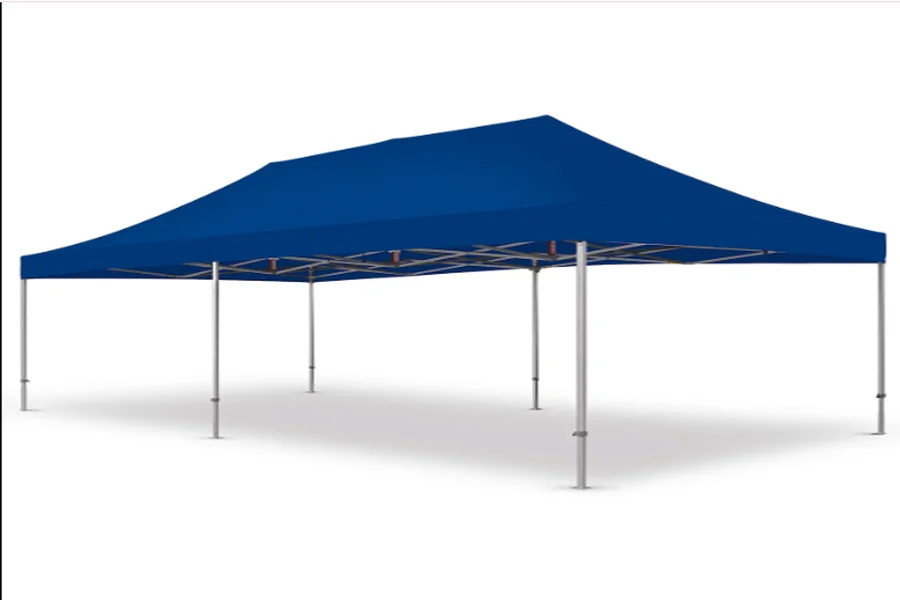
Large outdoor events have a way of making even generous spaces feel crowded. Add products, staff, customers, displays, promotional materials, tables, storage, and suddenly your “big booth” feels suspiciously like a very busy garage sale.
That is where a 13×26 tent can make a noticeable difference.
With a long rectangular footprint, this size gives businesses enough room to separate activities instead of squeezing everything beneath one crowded shelter. It can support product demonstrations, customer consultations, merchandise displays, hospitality seating, sampling stations, or several sales points within one organized environment.
For companies attending major festivals, trade shows, community events, sporting promotions, and outdoor activities, the extra room can make the difference between simply having a booth and creating a complete event space.
Why 13×26 Works So Well for Larger Events
The biggest advantage of a 13×26 tent is obvious: space.
But the real benefit is what that space lets you do.
Instead of combining checkout, demonstrations, storage, and customer conversations around one table, you can create distinct areas. One end can attract customers while the other supports more detailed interactions. Inventory can stay farther back, and employees have room to move without repeatedly asking visitors to step aside.
The rectangular shape also works well for events where customers approach along one main aisle. You can create a long, highly visible branded frontage while still maintaining substantial depth inside.
Divide the Space Before the Crowd Arrives
A larger footprint should never be treated as one giant empty rectangle.
Before event day, decide exactly what each section needs to accomplish.
A 13×26 pop up canopy might have a demonstration area at one end, products in the center, and checkout toward the opposite end. A service company could create an open display zone in front and a quieter consultation section farther inside.
The goal is to guide people naturally.
If customers walk into the tent and immediately have to ask where to stand, pay, sample, or sign up, the layout is doing too little work.
Good space planning makes the booth feel larger because customers and employees are not constantly competing for the same pathway.
A Food Brand Builds a Better Festival Operation
Imagine a growing specialty food company attending regional festivals.
Its old setup uses two smaller tents placed beside each other. One handles samples and the other handles sales. The arrangement provides enough room, but center legs interrupt the flow, branding looks inconsistent, and staff continually move stock between the two spaces.
The company upgrades to a single 13×26 tent.
Now one end serves samples, the center displays products, and the other end handles checkout. Extra inventory stays neatly at the back.
Customers can move naturally through the activation rather than gathering around one congested counter. Employees can restock without fighting through the customer line, and the entire operation looks like one cohesive business instead of two tents that happened to become neighbors.
Turn the Long Roofline Into a Branding Advantage
A large tent creates more than floor space. It also creates a much larger visual surface.
The roof and valances can carry logos, colors, and concise messaging that remain visible from farther away. For companies investing in custom printing, that long roofline can become a significant part of the event marketing strategy.
Keep the graphics simple enough to understand while people are moving.
A giant company logo may be useful. A twelve-line explanation of your business model is probably less helpful.
Use the upper surfaces for recognition, then let walls, displays, banners, and staff provide the details once customers arrive.
Add Visibility Before Customers Reach the Tent
At a major event, your tent may be surrounded by dozens of other large displays. That is where feather flag custom graphics can help extend visibility beyond the edge of the canopy.
Flags can sit near entrances, along walkways, or at the corners of the activation to help visitors locate the booth from farther away.
A custom feather flag banner can carry the company logo, product name, campaign message, or directional text without using valuable floor space inside the shelter.
The tent becomes the destination, while the flag helps people find it.
Used together, these elements create a stronger visual footprint without forcing every message onto the canopy itself.
A Fitness Company Turns the Tent Into an Activity Zone
Consider a fitness brand sponsoring a community sports festival.
The company wants to run a short fitness challenge, distribute trial passes, display merchandise, and speak with prospective members.
Trying to fit all of that beneath a smaller shelter creates congestion quickly.
With a 13×26 pop up canopy, the front section can become an activity zone. Visitors participate in a simple challenge while others move through the center to view merchandise or membership information. Staff at the rear handle sign-ups and longer conversations.
A pair of feather flag custom displays outside the tent helps identify the activation from across the event grounds.
The larger structure allows several customer interactions to happen at the same time without the booth feeling chaotic.
Give Sidewalls More Than One Job
Sidewalls can increase the usefulness of a large tent without consuming additional ground space.
A rear wall can hide storage while carrying branding. Sidewalls can display product photography, service information, event schedules, or visual storytelling.
For some businesses, walls can also create more private areas for customer conversations.
The trick is not to close the structure unnecessarily.
If your event depends on high pedestrian traffic, keep major entry points open. If the space is designed for consultations or hospitality, more enclosed sections may work better.
The best 13×26 tent layout responds to how customers actually use the space.
A Home Improvement Company Creates a Mobile Showroom
Picture a remodeling company attending a large home-and-garden event.
The business needs to show completed projects, display material samples, collect leads, and hold detailed conversations with homeowners.
A small booth can force all of those activities into the same corner.
A 13×26 tent allows the company to create something closer to a temporary showroom.
Large project images line one wall. Material samples occupy the center. Toward the rear, a consultation table provides enough separation for longer conversations.
A custom feather flag banner outside the tent highlights the company’s main service and catches attention from visitors farther down the aisle.
The structure does not merely provide shelter. It helps transform an intangible service into an environment customers can actually walk through.
Premium Quality Matters More at This Scale
A large commercial canopy is not usually the cheapest piece of event equipment, and high-quality systems can carry a significant upfront price.
That does not mean businesses should automatically choose the least expensive option.
A large tent is exposed to repeated transport, assembly, breakdown, storage, and outdoor conditions. Its frame, fabric, fittings, and graphics all need to withstand frequent handling.
A budget option that requires constant repairs or early replacement can become surprisingly expensive over time.
That is why businesses should think in terms of cost per event rather than simply purchase price.
A premium 13×26 pop up canopy that supports dozens of trade shows, festivals, launches, and promotions may deliver better long-term value than lower-quality equipment purchased several times.
Quality also affects presentation.
A faded roof, weak frame, or worn graphics can undermine the professional impression the company is trying to create. When your entire brand is operating underneath the tent, the structure itself becomes part of the customer experience.
A Beverage Company Builds a Hospitality Lounge
Imagine a beverage brand sponsoring a major outdoor concert.
The company already has product sampling stations, but it also wants a space where guests can sit, talk, and spend more time with the brand.
A 13×26 tent gives the company enough room for seating, branded counters, sample service, and product displays within one continuous environment.
The long footprint makes it possible to create a relaxed lounge area without sacrificing operational space.
Outside the tent, coordinated feather flag custom graphics create additional visibility, while a custom feather flag banner near the entrance communicates the campaign message.
Instead of becoming another quick sampling stop, the activation encourages customers to stay longer.
And longer visits mean more opportunities for brand interaction.
Design for More Than One Campaign
If you are investing in premium equipment, keep permanent graphics flexible.
Use the roof and main walls for long-term branding such as logos, colors, and core messaging. Keep seasonal campaigns, event dates, and short-term offers on removable signs or banners.
That approach helps the same 13×26 tent support many different events without becoming outdated.
A spring trade show, summer festival, fall promotion, and corporate event can all use the same core structure while smaller graphics change around it.
The more frequently one quality setup can be reused, the easier it becomes to justify the initial investment.
Give Large Events the Space They Deserve
A 13×26 tent is a strong option for businesses that have outgrown smaller event booths and need room for several activities under one roof.
It can create dedicated spaces for demonstrations, sales, consultations, hospitality, inventory, and customer engagement while giving the brand a much larger visual presence.
Combined with a 13×26 pop up canopy layout, strategically placed feather flag custom graphics, and a coordinated custom feather flag banner, the setup can help customers identify your business before they even reach the booth.
Most importantly, choose quality equipment built for repeated commercial use. Premium event structures may cost more initially, but stronger construction, durable materials, professional printing, and reliable components can create better long-term value and a more professional appearance.
Explore Flare Shade’s large canopy options, custom printing, walls, signage, and event accessories to build a setup that gives your staff room to work and your customers room to engage.
When a large event deserves more than a cramped booth, thirteen by twenty-six feet can give your brand exactly the space it needs to make a bigger impression.