

Who Pays When an Amazon Delivery Driver Causes a Car Accident?
When an Amazon delivery driver causes a car accident, understanding liability can be complex. Learn how employment status impacts insurance claims and…
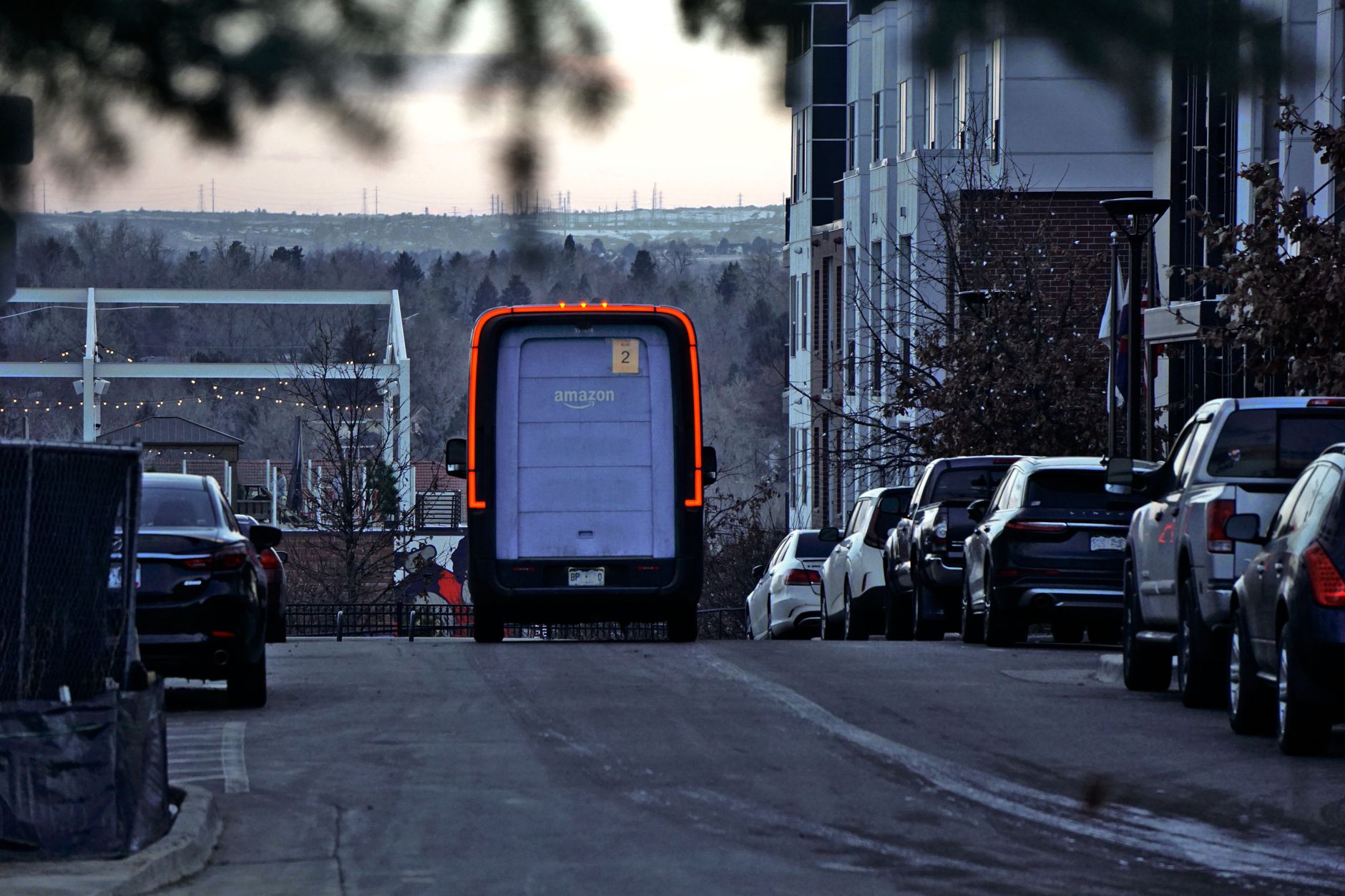
You can’t drive through most neighborhoods anymore without passing an Amazon van. The drivers are stopping every few minutes, pulling over wherever they can, checking a screen for the next address, and trying to stay on schedule. Given all that, some accidents are inevitable.
When an Amazon delivery driver causes a crash, most people assume they’ll be filing a claim against Amazon. The Amazon logo is right there on the van. But the answer is usually more complicated, and it depends largely on who the driver actually works for.
Most “Amazon Drivers” Don’t Work for Amazon
This surprises a lot of people. Amazon delivers much of its volume through two arrangements, and in neither one is the driver typically an Amazon employee.
Delivery Service Partners (DSPs). These are independent companies that contract with Amazon to handle deliveries. They hire the drivers, manage the routes, and run the vans. The vans are branded with Amazon’s logo and colors, but the person driving usually works for a separate company that has its own name.
Amazon Flex. Flex drivers use their own cars and pick up delivery shifts (called “blocks”) through an app. They’re generally treated as independent contractors, closer to a rideshare driver than to an employee.
This matters because the driver’s employer, and the insurance behind it, affects who ends up paying for your injuries.
If a Branded Delivery Van Hits You
Say an Amazon van runs a red light and hits your car. If the driver works for a DSP, that company is usually the main target of the claim, not Amazon.
The reason is a legal principle called respondeat superior, which generally makes employers responsible for their employees’ negligence while those employees are doing their jobs. A driver in the middle of a route is clearly on the job, so the DSP that employs them may be liable for the damage.
Before a claim can move forward, someone usually has to sort out:
- Who actually employed the driver
- Which company owned or operated the van
- Whether the driver was working when the crash happened
This becomes especially important in serious car accident claims. A smaller delivery company’s insurance may not be enough to cover major medical bills and lost income, so it matters to identify every party that might share responsibility.
If the Driver Was Using Their Own Car Through Flex
Flex accidents raise a different set of insurance questions.
Flex drivers are required to carry their own auto insurance, but many personal policies limit or exclude coverage when the car is being used for business. To help fill that gap, Amazon provides commercial auto coverage for eligible Flex drivers in most states while they’re actively working a scheduled delivery block. The terms vary, and New York has its own arrangement.
Timing makes a big difference here. A driver who hits you in the middle of a delivery block may be covered under very different terms than one who hits you on the way home after the shift ended. That’s why app activity, delivery logs, and the driver’s insurance paperwork can end up being central to the case.
It’s also common for the insurers to disagree. The driver’s personal insurer may say the driver was working, while the commercial insurer says they weren’t, and that can slow down a claim.
Can You Go After Amazon Directly?
Sometimes, but it isn’t automatic.
Delivering Amazon packages doesn’t make Amazon responsible for every crash a driver causes. That said, Amazon’s relationship with its delivery partners and drivers isn’t hands-off, and courts may look at:
- How much control Amazon had over the way the work was done
- The details of its relationship with the driver or DSP
- Whether Amazon’s own policies or decisions contributed to the accident
These cases depend heavily on the facts and on state law. Pointing to the logo on the van isn’t enough. Someone has to show how the company’s conduct was connected to what happened.
The Pressure of the Job
Delivery work encourages some risky driving habits. Drivers make dozens of stops, follow app-based directions down unfamiliar streets, and keep an eye on the clock the whole time.
The problems that show up most often are fairly predictable. Drivers glance at the app while moving, double-park or stop in spots that block traffic, speed between stops to make up time, and back out of driveways without checking carefully. Fatigue at the end of a long route also plays a role.
If there’s evidence that delivery quotas or company policies pushed a driver to cut corners, that may become part of the case. A tough schedule on its own doesn’t prove anyone was negligent, though. The focus is still on what the driver did and whether it was reasonable.
Evidence to Get Early
If you’re able to, take photos of the vehicles, the damage, the license plates, and the road conditions, and get contact information from any witnesses. A police report is also helpful to have.
Take note of whether the driver was in a branded Amazon van or a personal car. A van usually means a Delivery Service Partner is involved, and the company’s name is often printed on it. A personal car usually points to Amazon Flex.
The driver’s delivery records can later show whether they were working at the time and which company they were driving for. Footage from nearby cameras can also help, but it’s often recorded over within a few days.
What to Do After the Crash
Get checked out medically first, even if you feel fine. Some injuries don’t show up right away.
After that, avoid assuming the driver’s personal insurance is your only option. Depending on how the driver was working, a DSP’s commercial policy or Amazon’s Flex coverage may apply as well.
If you’ve been seriously hurt, or the insurance companies are each pointing at someone else, a personal injury attorney can help work out who’s responsible and what coverage is available.