

The Front Office Arms Race Happening Across the NBA
NBA competition no longer ends with the players and coaches visible on game night. Behind every roster is an expanding operation of scouts, cap specialists, data scientists, medical experts, software engineers, and player-development professionals searching…
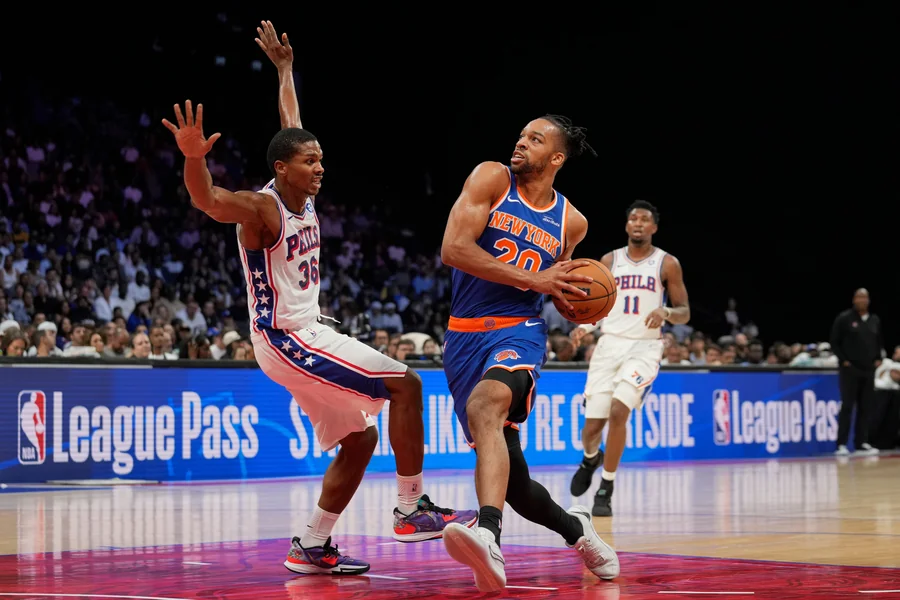
NBA competition no longer ends with the players and coaches visible on game night. Behind every roster is an expanding operation of scouts, cap specialists, data scientists, medical experts, software engineers, and player-development professionals searching for an advantage.
As spending rules become more restrictive and talent evaluation grows more sophisticated, front offices are becoming nearly as important as the stars they acquire.
Analytics Departments Are Expanding
NBA teams have used statistics for decades, but modern analytics departments operate at a far greater scale. Specialists analyze lineup combinations, shot quality, defensive positioning, player movement, workload, and long-term development.
The information can influence everything from substitution patterns to draft selections. A front office may use models to identify an undervalued role player, while coaches examine which five-player groups produce the strongest balance of shooting, defense, and creation.
The league-wide investment is substantial. A current overview of analytics roles across NBA franchises shows how data scientists, software engineers, research directors, and strategy specialists are now embedded throughout basketball operations.
Salary-Cap Expertise Has Become Essential
The NBA’s apron system has made financial planning more complicated. Expensive teams can face restrictions involving trades, contract aggregation, exceptions, and future draft picks.
A front office must therefore understand the wider consequences of every agreement. Signing a useful player may improve the current roster while removing the flexibility required to address another weakness later.
That complexity has increased demand for executives who can combine basketball judgment with detailed knowledge of the collective bargaining agreement. Multi-year cap projections now matter just as much as the immediate cost of a contract.
Fans see the public impact of those decisions as trades, extensions, and injuries reshape expectations. DraftKings presents basketball betting markets covering upcoming games, futures, and other NBA outcomes. Those changing assessments can provide another perspective on whether a front office has built sufficient depth around its stars or left the roster vulnerable.
Scouting Has Become a Global Operation
The NBA front offices can no longer afford to concentrate mainly on major college programs in America. Professional leagues, academies and youth tournaments in Europe, Africa, Australia, Asia and South America may produce the future stars.
International scouting needs experts that are conversant with various levels of competition and developmental conditions. Production should be rated statistically, as well as according to age, physical development, tactical position and the quality of the opponents.
Video and performance information is more readily available now because of technology, yet the interpretation of it is challenging. The most successful organizations do not use a single evaluation to all prospects, but instead global coverage with regional expertise.
AI Is Accelerating Routine Work
Artificial intelligence can have scouting reports organized, search video libraries, summarization information, and finding patterns in massive datasets. That will enable employees to devote less time to monotonous administrative tasks and more time to assess the results.
The judgment of human beings is still needed. The models may replicate biases, tend to ignore context or even over-value incomplete information. Teams should have experts to clarify why a system has come up with a recommendation before the executives can take action on it.
Successful adoption also depends on leadership. Broader lessons about creating a culture of innovation and collaborative problem-solving apply naturally to front offices introducing new technology. Analysts produce more value when decision-makers encourage experimentation while maintaining clear standards and accountability.
Player Development Is More Personalized
Drafting talent is only the beginning. Front offices are investing in shooting coaches, performance specialists, nutrition professionals, and development analysts who can create individualized plans.
One prospect may need to improve decision-making against defensive pressure. Another might require greater strength, a more dependable jump shot, or additional experience defending different positions.
Tracking systems and video analysis allow teams to measure progress more precisely. This can help organizations distinguish between temporary struggles and deeper developmental concerns.
Medical Information Shapes Roster Value
Availability is one of the most important variables in basketball. Front offices increasingly combine medical reviews, workload data, and performance projections when considering trades, extensions, and draft choices.
These decisions require care because health information is sensitive and predictions are never certain. Data should support qualified medical judgment rather than replace it.
A team that evaluates physical risk accurately may avoid an expensive mistake or identify a player whose concerns are being overstated elsewhere.
Organizational Alignment Is the Real Advantage
Large departments do not guarantee intelligent decisions. A franchise can employ excellent scouts and analysts while struggling because those groups disagree about the team’s direction.
The strongest front offices establish a clear identity. Executives understand the players required by the coaching system, scouts evaluate prospects against shared priorities, and financial specialists create realistic paths for retaining the roster.
The NBA’s front office arms race is ultimately about integration. Data, scouting, development, medical expertise, and salary-cap planning must support one coherent strategy.
Championships are still won on the court, but the foundations are increasingly built by the people, systems, and decisions operating far beyond public view.