

7 Engine Performance Factors to Track When Captaining Luxury Yachts
The engine management of a luxury yacht is an intricate and complex affair, and it is important to have a keen eye for detail, as these vessels are not without their complex systems to keep…
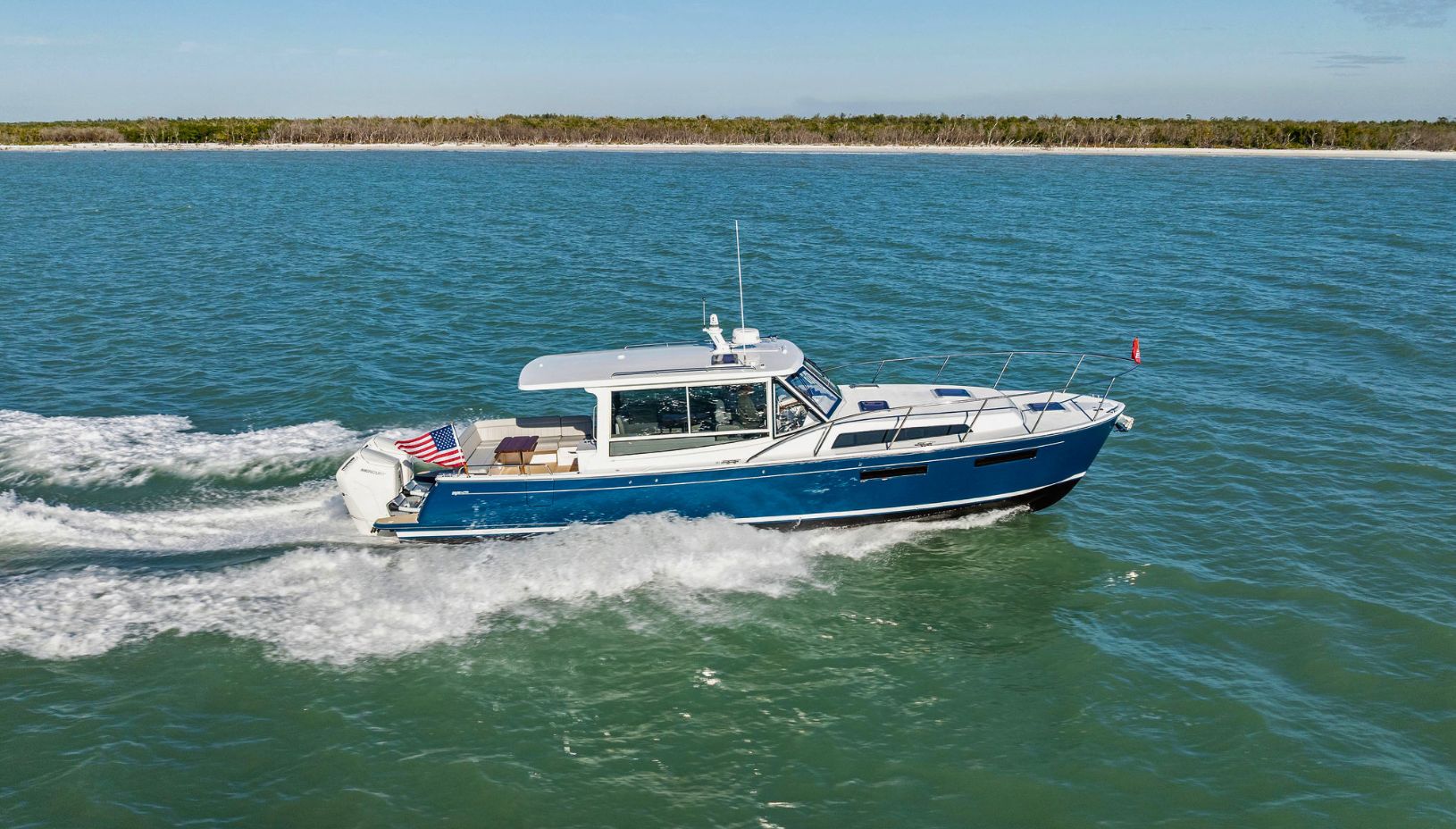
The engine management of a luxury yacht is an intricate and complex affair, and it is important to have a keen eye for detail, as these vessels are not without their complex systems to keep running. As a skipper, it is important to have a basic knowledge of how your engines react to different sea conditions and load levels, to keep them reliable. The following article is about the 7 elements that need to be monitored to maintain your engines at their best.
1. Monitoring Exhaust Gas Temperatures
These are usually indicative of overloading the engines or trouble in the air intake system, if they start to increase rapidly. When using these readings during long cruises, make sure they remain within the manufacturer’s specifications for your particular model. Regular monitoring of this information ensures that you won’t take the chance of internal heat damage.
2. Tracking Fuel Consumption per Mile
One of the easiest ways to gauge how well your yacht cuts through the water is to examine its fuel efficiency. If you’re seeing excessive fuel consumption per mile, you may have a problem with too much drag, which could be caused by a fouled hull or misaligned running gear that is making the engines work harder. Sudden shifts in consumption indicate resistance that you may have overlooked – you can use that as your early warning bell.
3. Observing Oil Pressure Consistency
Your engine’s oil is its blood, and oil pressure is what keeps the blood flowing, ensuring all moving parts stay lubricated and protected from friction and premature wear. When captaining Luxury Yachts, regularly consult your oil pressure gauges immediately after startup and again when the engines reach operating temperature to establish a normal performance benchmark. Any pressure drop, no matter how small, should be investigated promptly, as it could indicate a leak, a failing pump, or another issue that may affect engine reliability.
4. Managing Coolant Temperature Levels
Always check the temperatures of the coolant fluid when changing from one water temperature to another or when operating at higher water temperatures for longer periods. If the water temperature is rising while the car is moving at a steady speed, it may be due to a clogged water strainer. Cleanliness of the cooling system is essential to avoid engine overheating damage to engines.
Read more: Why Your Seating Is the Reason Your Dinner Parties Stop at Eight
5. Evaluating Engine Vibration and Noise
Sunseeker Manhattan 68, For example, it has a low vibration frequency and consistent sound signature that is comforting for all onboard. When new rattles or unusual harmonic vibrations are heard, it is typically a symptom of a propeller, shaft or engine mount problem. In addition, it’s important that you know the sound of your engines so you can recognise these very subtle changes as soon as you hear them on a voyage.
6. Checking Turbocharger Boost Pressure
Modern yacht engines use turbochargers to achieve the required power and these engines need to be monitored. Lacking boost pressure below specified range could result in sluggish throttle response and inability to accelerate rapidly as required for quick manoeuvres. This decrease indicates that there is an air leak, or a filter may be clogged, or there may be a problem with the turbo unit itself that requires evaluation by a professional.
7. Reviewing Engine Load Percentage
The load percentage will indicate the percentage of the engine’s power rating that you are utilizing to maintain your current speed. Operating at very low load for extended periods of time can cause carbon formation and operating at 100% load for extended periods of time is a strain on the internal components. Try to maintain the recommended operating envelope for the engine as set by the manufacturer for consistent performance.
Finishing Your Captaining Standards
By closely monitoring these seven factors of performance, you will go from being a passenger on your own yacht to becoming a highly skilled captain. This habit helps you save your money and make each and every vacation a hassle-free one. Bring these factors to your next cruising charter and you’ll have the peace of mind that your yacht’s engines are in the very best of hands.