

Why Summer Is Peak Pest Season—and the Best Ways to Keep Your Home Pest-Free
As the days grow longer and temperatures rise, summer becomes a season for outdoor gatherings, family holidays, and spending more time enjoying the sunshine. Unfortunately, it’s also the time of year when pests are at…
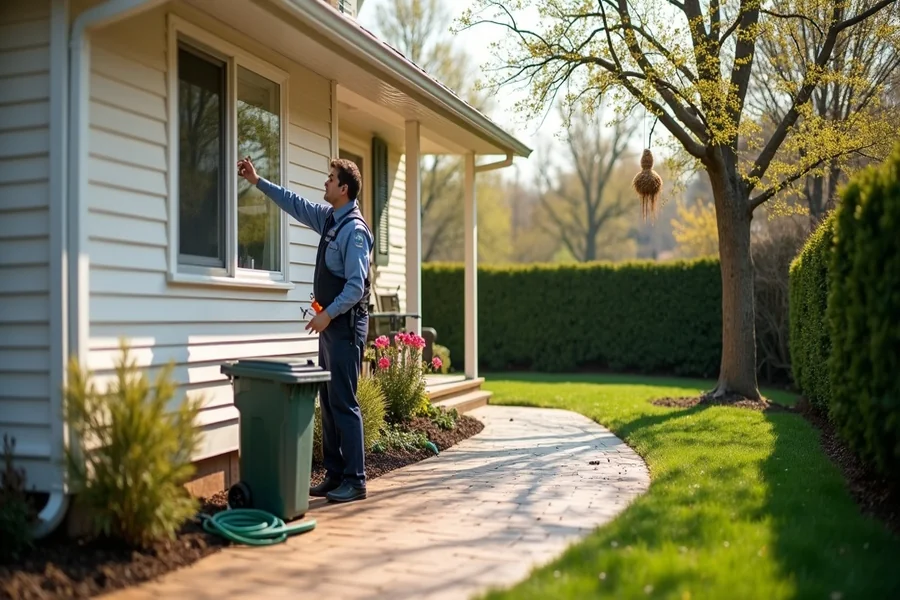
As the days grow longer and temperatures rise, summer becomes a season for outdoor gatherings, family holidays, and spending more time enjoying the sunshine. Unfortunately, it’s also the time of year when pests are at their most active. From ants invading kitchens to mosquitoes disrupting evenings in the garden, warmer weather creates the perfect conditions for a wide range of unwanted visitors.
Many homeowners underestimate how quickly a minor pest problem can turn into a serious infestation. Summer provides pests with everything they need to thrive: warmth, food, water, and countless opportunities to enter homes and businesses. Understanding why pests become such a major issue during the warmer months is the first step towards preventing them from taking over your property.
Why Are Pests More Active in Summer?
Temperature plays a significant role in pest activity. Most insects are cold-blooded, meaning their body temperature and activity levels depend on the environment around them. As temperatures rise, insects become more active, reproduce faster, and search more aggressively for food and shelter.
Longer daylight hours also encourage many species to forage and breed more frequently. Combined with increased rainfall in some areas and outdoor watering during dry spells, summer creates ideal breeding conditions for insects such as mosquitoes, flies, and wasps.
People also contribute—often unintentionally—to the increase in pest activity. Open windows, outdoor dining, overflowing bins, and gardens in full bloom all provide food and access points that attract pests closer to our homes.
The Most Common Summer Pests
While pest problems vary depending on location, several species consistently become more troublesome during summer.
Ants
Ants are among the most common household pests during warm weather. Worker ants travel surprisingly long distances in search of food, leaving scent trails that quickly lead entire colonies into kitchens and pantries. Even a few crumbs or a small sugary spill can attract hundreds of ants within hours.
Although many ant species are simply a nuisance, larger infestations can be difficult to eliminate without identifying and treating the entire colony.
Wasps
Wasps become increasingly active throughout summer as their colonies grow. By late summer, nests may contain thousands of workers searching for sweet foods and drinks. Outdoor meals, barbecues, fruit trees, and sugary beverages are all major attractions.
Unlike bees, wasps can sting multiple times, making them particularly concerning for families with children or anyone who suffers from allergies.
Mosquitoes
Mosquitoes thrive wherever standing water is available. Bird baths, blocked gutters, plant pots, buckets, and even small puddles provide breeding grounds where mosquitoes lay eggs.
Besides causing irritating bites, mosquitoes can carry diseases in many parts of the world, making prevention especially important.
Flies
Warm temperatures speed up the fly life cycle dramatically. Houseflies, fruit flies, and blowflies reproduce quickly during summer, particularly where food waste or rubbish is accessible.
Flies are more than just annoying—they can spread bacteria by landing on food preparation surfaces after visiting waste, animal droppings, or decaying organic matter.
Rodents
Although rodents are often associated with colder weather, summer provides abundant food sources that allow rat and mouse populations to expand rapidly. Gardens, compost bins, bird feeders, and outdoor pet food can all attract rodents, which may later find their way indoors.
Why Summer Pest Problems Shouldn’t Be Ignored
A single pest sighting rarely stays that way for long. Many insects reproduce incredibly quickly, meaning small populations can become major infestations within weeks.
Pests can create several problems, including:
- Contaminating food with bacteria and droppings.
- Damaging property by chewing wires, insulation, or wood.
- Triggering allergies or asthma through droppings and shed skin.
- Delivering painful bites and stings.
- Creating stress and discomfort within the home.
- Increasing repair and treatment costs if left unchecked.
Early prevention is almost always easier—and less expensive—than dealing with a well-established infestation.
How to Keep Summer Pests Away
Fortunately, many pest problems can be prevented with a few simple habits and regular home maintenance.
Keep Food Sealed
Store dry foods in airtight containers and avoid leaving fruit, pet food, or leftovers exposed. Wipe down kitchen counters regularly and clean up spills immediately, particularly sugary drinks.
Empty Bins Frequently
Overflowing rubbish bins are one of the biggest pest magnets during summer. Use bins with tight-fitting lids and empty them regularly, especially those containing food waste.
Remove Standing Water
Mosquitoes require only a small amount of water to breed. Regularly empty plant saucers, children’s toys, buckets, and any other containers that collect rainwater. Keep gutters clean to prevent water from pooling.
Seal Entry Points
Inspect your home for cracks around windows, doors, vents, and utility pipes. Even tiny gaps can allow ants, spiders, and rodents to enter. Installing door sweeps and repairing damaged screens helps keep insects outside where they belong.
Keep Gardens Maintained
Overgrown vegetation provides shelter for many pests. Trim shrubs away from your home’s exterior, mow the lawn regularly, and remove piles of leaves or garden waste where insects and rodents may hide.
Store Firewood Properly
If you keep firewood, store it well away from the house and raised off the ground. Wood piles often attract termites, ants, spiders, and rodents.
Clean Outdoor Eating Areas
Barbecues, patios, and outdoor dining spaces should be cleaned after every use. Food scraps and drink spills quickly attract wasps, ants, and flies.
Natural Ways to Reduce Pest Activity
While professional pest control may be necessary for larger infestations, several natural and preventative approaches can help reduce pest numbers. Alongside good housekeeping and regular maintenance, many homeowners use ultrasonic pest repellers as an additional, chemical-free way to discourage certain pests from occupying indoor spaces. While their effectiveness can vary depending on the pest species and severity of the infestation, they are often used as part of a broader pest prevention strategy.
Planting herbs such as lavender, mint, basil, and rosemary may discourage certain insects around patios and entrances. Citronella candles can help reduce mosquito activity during outdoor evenings, while keeping windows fitted with insect screens allows fresh air inside without inviting pests.
Maintaining a clean, dry, and clutter-free environment remains the most effective long-term strategy for discouraging pests naturally.
When to Call a Professional
Not every pest problem can be solved with DIY methods. If you notice recurring infestations, large wasp nests, signs of rodents, termite damage, or pests returning despite your efforts, professional pest control is often the safest and most effective solution.
Experienced technicians can identify the source of the problem, locate hidden nests or entry points, and apply targeted treatments that provide longer-lasting protection while minimising risks to your family and pets.
Stay One Step Ahead This Summer
Summer should be a season for relaxation—not constant battles with unwanted pests. By understanding why insects and rodents become more active during warmer weather and taking preventative measures early, homeowners can significantly reduce the risk of infestations.
Simple habits like keeping food sealed, eliminating standing water, maintaining your garden, and sealing entry points can make a substantial difference. Combined with prompt action when problems first appear, these steps help create a home that is far less attractive to pests.
With a little preparation, you can enjoy everything summer has to offer while keeping your home clean, comfortable, and pest-free all season long.