

Best CS2 Marketplace in 2026: A Trader’s Comparison
I judge marketplaces by what happens after the first search result. A basic listing site lets me browse, but a real trading platform helps me compare Float Values, check stickers, manage fees, sell faster, and…

I judge marketplaces by what happens after the first search result. A basic listing site lets me browse, but a real trading platform helps me compare Float Values, check stickers, manage fees, sell faster, and avoid weak trade paths. This is crucial, because I trade CS2 skins regularly.
I started testing more platforms after I outgrew casual Steam Market browsing. When I use a CS GO marketplace, I want cashout options, item details, bot trading, and price filters in one workflow. I don’t want to switch between several tabs before every purchase.
Why I Tried Multiple CS2 Marketplaces
I tested several CS2 marketplaces because my inventory stopped being only cheap playskins. Once I began moving knives, gloves, AKs, AWPs, and sticker crafts, details like float, liquidity, cashout, and total fees started to matter.
Cashout Options
Cashout was the first major difference I noticed. Steam is useful for quick in-platform sales, but Steam Wallet funds stay inside Steam. That works when I plan to buy more skins there, but not when I want to move value outside the ecosystem. Third-party marketplaces became more useful once I needed payout routes.
Real Liquidity
Liquidity is not just the number of listings. I look at comparable items, recent sales, float ranges, and whether buy-side demand looks active. A rare craft is not liquid if only the seller thinks it deserves its price. The worst listings look valuable but sit for weeks.
Fees That Affect Sales
Fees decide the real result of a sale. I calculate the net amount after the marketplace fee, cashout fee, currency conversion, and the gap between instant selling and waiting for a manual buyer. Small fee gaps matter when I trade often. A one percent difference adds up across gloves, knives, rifles, and repeated flips, so I now check the final payout before listing.
Features I Now Consider Non-Negotiable
A marketplace has to support the way CS2 items are actually priced. Wear, float, stickers, seller record, and trade speed all matter. If a site hides those details, I treat it as a browsing tool rather than my main platform.
Float-Based Search
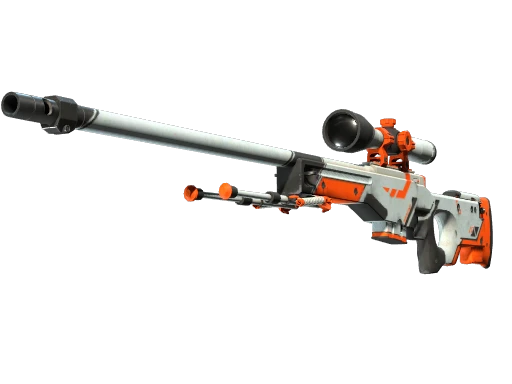
Float-based searches are essential for me. Factory New runs from 0.00 to 0.07, Minimal Wear from 0.07 to 0.15, Field-Tested from 0.15 to 0.38, Well-Worn from 0.38 to 0.45, and Battle-Scarred from 0.45 to 1.00. I usually search inside narrow float bands. Low Field-Tested skins around 0.15 to 0.18 often look much cleaner than higher Field-Tested versions. For example, AWP | Asiimov at 0.18 is noticeably sharper than the same skin closer to 0.35.
Sticker Filters
Sticker filters save time when I am looking for crafts. I care about sticker name, position, scrape level, color match, and whether the combo looks good in play. I avoid listings where the seller prices the item as if every applied sticker keeps full value.
Applied Sticker Verification
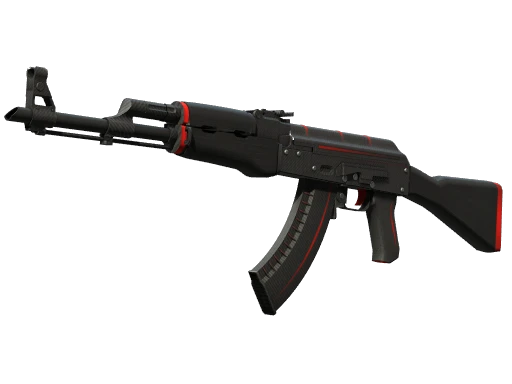
Applied sticker verification matters before I add an item to the cart. I want clear screenshots and inspect access to check the visibility of stickers. Position matters on AK, AWP, Glock, USP-S, and M4 skins because a craft such as AK-47 | Redline with four applied red tournament stickers looks much stronger in first-person view than the same stickers placed unevenly on a less visible layout.
Seller History
Seller history gives me one more safety layer. I look for completed activity, realistic pricing, and account behavior that fits the item value. Expensive items from empty profiles make me more cautious. Strange verification links, private bots, rushed messages, and requests to cancel official trades are red flags.
Where I Lost Money Before Figuring This Out
My worst losses came from slow sales and weak filtering. I listed mid-tier skins too high on platforms with poor liquidity, then kept dropping the price until the sale barely made sense after fees.
Sticker pricing caused another early mistake. I treated applied stickers like a simple percentage of sticker market value, but buyers cared more about placement, scrape level, the base item, and the in-game look. Near-scams also made me avoid odd links, private trade routes, and listings with missing item details.
Why DMarket Became My Daily Platform
DMarket became my daily platform because it fits the routine I use most: browse, compare, add to cart, track watchlist items, and use instant bot trades when speed matters. The cart helps when I compare similar skins before buying. The watchlist is where I keep knives, gloves, and cleaner rifles until the price reaches my target. Instant bot trades help when I want to exit slow inventory quickly instead of waiting for one perfect manual buyer.
My Final Marketplace Test
The best CS2 marketplace in 2026 is the one that saves time without hiding the details that decide value. For me, that means cashout, liquidity, float filters, sticker checks, seller history, and safe trade execution. A platform that only shows listings is not enough once trades involve real money and resale planning.