

Air-Cooled UV LED Curing Systems: Transforming Rapid Curing Applications
Key Takeaways The LED high-power offers excellent results in the curing process that eventually results in faster production cycles and minimal energy consumption in the manufacturing processes. UV LED curing systems are air-cooled systems that…
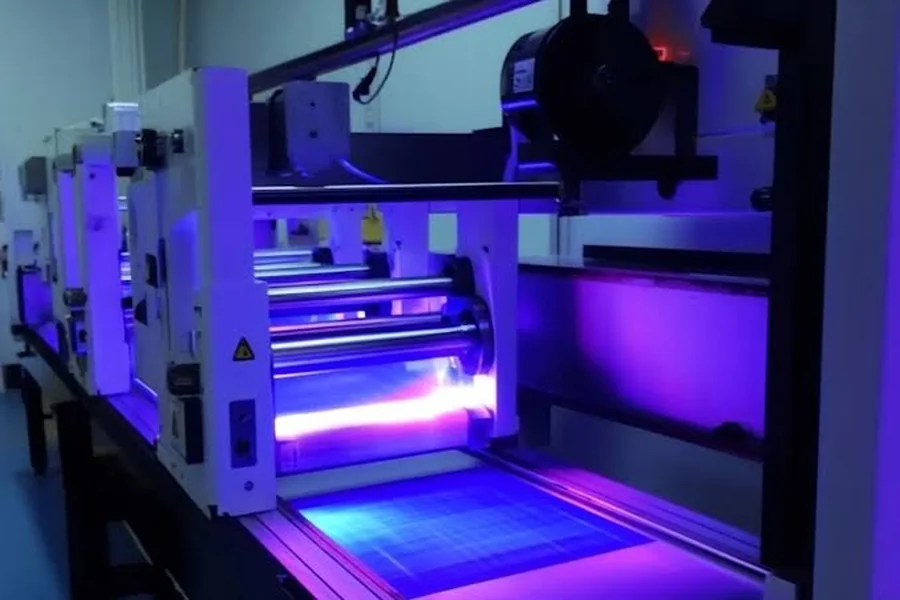
Key Takeaways
The LED high-power offers excellent results in the curing process that eventually results in faster production cycles and minimal energy consumption in the manufacturing processes.
UV LED curing systems are air-cooled systems that have a high heat control capability and increase equipment longevity, reducing cost of operation due to easier installation and technical support.
Unlike conventional methods of curing mercury lamps, UV LED systems have instant on/off capability as well as a wider spectrum of wavelengths. This enhances versatility and speed of curing.
The influence of UV LED technology has been observed in the packaging and electronic industries whereby it has been used to cut short on time of curing, product quality and reduction of overheads.
The recent trends in the market indicate a strong upward trend in the growth of UV curing solutions, which are attributed to the move towards sustainable manufacturing and increased energy efficiency.
Installing air-cooled UV LEDs can be extremely easy, and the installation may sometimes require only slight adjustments to the infrastructure and a focus on educating the personnel to make the best use of the possibilities.
Some myths exist about UV LED systems, such as about their initial expenses and their service life; but generally these systems can bring significant long-term savings, and are made to be easy to handle.
The Science Behind Air-Cooled UV LED Curing Systems
How High-Power LEDs Deliver Exceptional Performance
With increase in technology, the efficiency in manufacturing is always advanced. The breakthrough is high-power LEDs, which offer outstanding curing performance. Such sources of light have specific wavelengths which help in the curing of different materials including inks, adhesive, and coating. When integrated appropriately in curing systems, they produce high peak irradiance, hence leading to quicker curing processes.
The most important concept is that of photopolymerization, in which light has a reaction, hardening the substance. UV lighting LEDs should be carefully engineered. This technology is used by businesses to increase product throughput and reduce energy consumption.
What then is the moral of the story? Faster curing reimbursement reduces production durations, as well as increased output. The companies are able to manufacture products within just hours that could be in days under the traditional production methods. This speed is particularly critical in sectors where the speed of delivering the products to the market is of utmost importance.
The Advantages of Air-Cooling in Curing Applications
Effective heat management is crucial to the success of UV curing systems. Air cooling mitigates the thermal load on components, ensuring that high-power LEDs function within ideal temperature ranges. By reducing excess heat, the system not only enhances durability but also ensures stable performance.
A thoughtfully designed air cooled air curing system can do away with the need for water lines or complicated cooling arrangements, simplifying integration into current production environments. The installation process becomes less complicated, saving time and preventing maintenance issues later on. This simplicity naturally leads to cost effectiveness, lowering overall operational costs.
What are the implications of using air cooling? Operational costs decrease significantly, allowing equipment to run longer between repairs. Increased uptime becomes achievable, a crucial metric for manufacturers striving to optimize efficiency. Users can concentrate on their core production activities rather than worrying about equipment malfunctions.
Comparative Analysis: UV LED vs. Traditional Curing Methods
The differences between UV LED curing systems and traditional methods are often striking. Mercury lamps are the standard in traditional curing techniques, yet they come with numerous downsides like prolonged warm-up times, high energy consumption, and hazardous chemical waste. On the flip side, UV LED curing systems allow for instant on/off functionality, drastically speeding up cycle times. Why is this essential? The quicker the curing, the smoother the flow of the supply chain.
Moreover, mercury lamps show a limited wavelength spectrum, restricting the types of coatings and inks that can cure effectively. In contrast, UV LEDs broaden the range of wavelengths, enhancing adaptability across diverse applications.
Environmental issues also deserve attention. Traditional curing methods often emit ozone and other byproducts that necessitate complicated ventilation setups. By switching to air-cooled UV LED systems, companies can align their operations with the growing trend of green manufacturing, further enhancing their market positioning in an age increasingly oriented towards sustainability.
Applications Driving Demand for UV LED Curing Systems
A Deep Dive into Industries Benefiting from Rapid Curing
A plethora of industries have started to appreciate the benefits brought by air-cooled UV LED curing systems. Industries such as packaging and electronics have also experienced changes in their manufacturing processes with regard to speed and efficiency. The UV LED technology in the packaging sector facilitates faster drying and curing of coating and inks. It results in rich colors and durable prints that can be withstood under any climatic conditions.
The electronic industry is no exception. Both in adhering adhesives to circuit board surfaces and in protecting components with protective coating on the surface, businesses are discovering that UV LEDs not only retain quality but save time. In either of the industries, increased efficiency translates into a reduction in overhead expenditures and increment in the profit margins.
The automotive industry even enjoys the fruits. Quickly curing systems contributes to keeping with strict production schedules and following high-quality standards.
Real-World Use Cases: Success Stories with UV LED Technology
An example is a manufacturer of flexible packaging. They reduced their curing times by half by switching to an air-cooled UV LED curing system, so they could increase production, while still maintaining quality. This is not a one-off case but many corporations are reporting respectively high performances. Better throughput is more orders hence greater revenue.
The other interesting case is in the automotive industry. One of the leading manufacturers implemented UV LEDs as their production systems, which has helped in speeding up the process of curing their paints and adhesives. This resulted in better durability and quality of finish, as well as a reduction in their energy expenses by nearly 30%.
These case studies show the tangible advantages of incorporating high-performance curing systems.
Market Trends and Future Outlook for UV Curing Solutions
The demand of the UV curing solutions market is evidently on an upward trend. Evidence indicates that the sector is preparing to take off on a strong footing, supported by the increased awareness about energy-efficiency and sustainability. In the rapidly spread of such technologies into high volume manufacturing processes more industries are beginning to adopt the adoption of air-cooled UV curing technologies and are moving out of niche applications.
Specialists predict further developments that could add to the competence and selectiveness of UV LED curing systems, thus expanding their usage in various industries. As companies develop a greater emphasis on not only productivity but also sustainability, the use of UV LED technology is expected to sky-rocket in the near future.
Maximizing Efficiency with UV LED Curing Technology
Some of the Valuable considerations to be made in the High-Performance Systems.
When selecting the appropriate curing system, it is best to consider key attributes that enable efficiencies. Being high on the list should be systems with accurate wavelength choice systems. This characteristic ensures that it works with other materials making it versatile across the production lines.
Control of intensity is another factor to be taken into consideration. With the capability to adjust intensity, operators can design settings to fit particular applications, maximizing results depending on the materials cured. Remote control and monitoring facilities may also provide significant advantages in real-time which allows the user to instantly tweak parameters and allows them to be flexible during moments of unforeseen difficulties.
- Wavelength adjustability for diverse applications
- Real-time intensity control for enhanced customization
- Remote monitoring systems for simplified operations
Moreover, effective systems should include feedback mechanisms to mitigate common issues during curing. Active temperature monitoring is crucial; it can forecast potential challenges before they affect production, ensuring steady performance and quality.
Integrating UV LED Systems into Existing Production Lines
Switching to air-cooled UV LED systems can be an overwhelming process, but in fact, it is not as tough as it should be. Modern systems are designed to integrate freely, and typically need only minor modifications to existing production lines. It is advisable to take a detailed analysis of the current processes prior to implementation. What processes are effective? What are the areas of improvement?
After evaluating that landscape, it should be possible to choose a system that is compatible with the existing machinery and improve the overall functionality to a great extent. Modular design provides an opportunity of scalability, which allows the system to support the increases in future without heavy infrastructure changes.
It is not only recommendable that staff training be planned but absolutely necessary. The prepared personnel means that capabilities will be exploited at the very first day. The preparation is an excellent foundation to integration.
Best Practices for Optimal Curing Results
To achieve steady results in case of the usage of UV LED curing technology, the processes must be made clear. The following are some of the best practices that may create a path towards success:
- Periodically tune systems to maintain optimal performance.
- Test the compatibility of the materials before they are used in bulk.
- Write down procedures so that areas that require changes are identified.
Maintenance cannot be considered lightly. Regular inspection of filters and cooling systems are achieved to ensure needless interference over time. Some preventive care would save a lot of money in the long-run.
Addressing Common Misconceptions About UV LED Curing
Debunking Myths: Cost, Safety, and Usability Concerns
Despite extensive coverage of the benefits of UV LED curing technology, there are still a few grains of truth. There is a widely held perception that the startup and expenses initial to air-cooled systems are a nightmare. The ROI may actually be very good, when the saving of energy and lowering operational costs are considered. Most companies find that their upfront spending is recouped soon.
Safety worries also necessitate clarification. UV LED systems put the safety of operators first. They do not produce as much harmful radiation that could cause harm to their personnel as were their traditional equivalents. Being aware of this will ease fears of going to this new sophisticated technology.
Concerning usability, we have the feeling that sophisticated systems are too complex. Nevertheless, these systems have become user friendly with new inventions that have user-friendly controls which have greatly lowered the learning curve.
Understanding the Environmental Impact of UV Technologies
As companies keep putting in place greener initiatives, issues of environmental impacts are bound to arise. Conventional curing techniques are often known to produce a lot of waste. Air-cooled curing, on the other hand, has fewer environmental impacts. These systems also minimize chemical wastes and are energy efficient which complies with the production approaches and sustainability. The clients tend to have its reputation boosted in the markets where there is a premium placed on environmental friendliness.
All in all, informed-ness makes businesses better-equipped to take decisions that not only are more beneficial to their economy, but also can contribute to a more healthy planet.
Key Takeaways for Selecting the Right Curing System
When finalizing a UV curing system, certain crucial factors stand out:
- Evaluate compatibility with current infrastructure.
- Assess energy efficiency to align with sustainability aims.
- Consider long-term support and maintenance requirements.
Choosing the right air-cooled UV LED system has the potential to significantly impact production efficiency and profitability. It’s about investing wisely in the future, while ensuring quality outcomes today.
FAQ
What types of materials can be effectively cured using UV LED technology?
UV LED technology offers remarkable versatility, effectively curing materials such as inks, adhesives, and coatings. Manufacturers frequently find it suitable for a broad spectrum of applications, enabling businesses to optimize their output across various product lines.
How does UV LED curing impact production timelines?
Transitioning to UV LED curing systems can dramatically shorten production timelines. Companies generally see curing times reduced by as much as 50%, allowing for quicker responses to market demands, which is vital in a fast-paced manufacturing environment.
Are there specific industries leading the way in adopting UV LED technology?
Industries like packaging, automotive, and electronics are at the forefront of adopting UV LED technology. Their focus on efficiency and sustainability propels a significant pivot toward these advanced curing systems, influencing other sectors within manufacturing to follow suit.
What considerations should businesses make before transitioning to UV LED curing systems?
Businesses ought to assess their current production workflows and compatibility with pre-existing machinery. A comprehensive evaluation ensures a seamless transition, highlighting the importance of selecting a system that complements current processes while accommodating future scaling.
How does air-cooling compare to other cooling systems in curing applications?
Air-cooling is distinctive due to its straightforward installation and maintenance. Unlike water-cooling systems, it eliminates the need for intricate setups, offering easier integration and cost reduction in operations. Companies frequently select it for its efficiency and user-friendly nature.
What kind of ROI can businesses expect when implementing UV LED technology?
Upon integrating UV LED systems, businesses typically witness a compelling return on investment. Although the initial setup may appear daunting, energy savings and lower operational costs often result in rapid payback, with many experiencing full ROI in a matter of months.
How can companies ensure optimal performance from their UV LED systems?
Maintaining optimal performance requires regular calibration, checking material compatibility, and rigorously documenting processes. Following these best practices improves curing outcomes and aids in proactively identifying and addressing potential issues.
What resources are available for training staff on UV LED systems?
Manufacturers and technology providers frequently offer tailored training sessions and resources specifically for UV LED systems. Investing in comprehensive training positions employees to effectively utilize the system’s capabilities from day one, which is crucial for successful implementation and operation.