

How Much Should You Spend on an Engagement Ring
Planning a proposal may seem like an easy thing to do, but it’s anything but that. From choosing the right time to the most picturesque location, there are many things to consider. One of the…
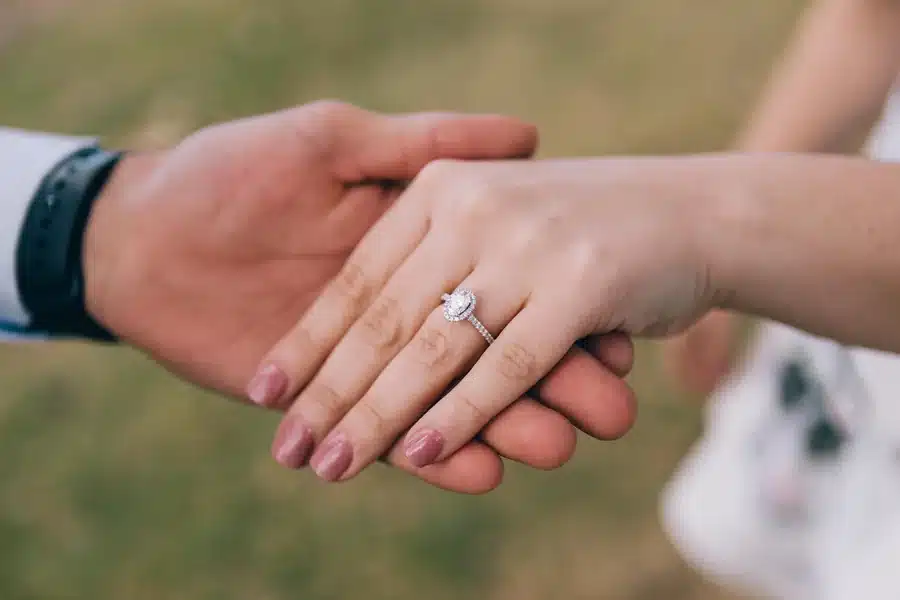
Planning a proposal may seem like an easy thing to do, but it’s anything but that. From choosing the right time to the most picturesque location, there are many things to consider. One of the things that’s likely at the forefront of your mind if you’re planning on proposing is how much to spend on an engagement ring.
The good news is there’s no “right” amount to spend. The real goal you should focus on is finding an engagement ring that reflects your partner’s style while keeping your financial reality in mind.
This guide will break down practical budgeting methods, tools you can use to stretch your dollars, and smart steps to take before and after your purchase. Whether you’re buying your first diamond or upgrading your longtime partner’s ring, a little strategy goes a long way.
How to Approach Your Engagement Ring Budget
You’ve likely heard the outdated way of thinking that you should spend two to three months’ salary on an engagement ring. We’re officially giving you permission to let that go. That spending guideline started with an advertising campaign and not with financial wisdom.
Many modern couples prioritize long-term goals, like purchasing a home or paying down debt, over outdated trends.
Instead of relying on a formula to help you determine how much to spend, build a flexible budget around what actually matters, like:
- Income
- Savings
- Comfort level
This is where real-world examples also help. Browsing collections to compare different styles and pricing when you shop diamond rings will give you a better sense of what various budgets can actually get you.
A good budgeting framework keeps your financial well-being and relationship dynamics in balance. Some of the things you should keep in mind include:
- Your current expenses and upcoming goals
- Cash on hand
- Your partner’s preferences
Many buyers usually spend between $2,500 and $7,500 on an engagement ring. Keep in mind that there is no universal benchmark for how much to spend.
What matters the most is ensuring tapping into what your partner’s expectations are before purchasing a ring. You want your purchase to strengthen your relationship, not put a strain on it.
Understanding Value Levers: The 4Cs and Beyond
Once you determine what a comfortable budget is to spend, you need to understand what actually drives the price of engagement rings. The diamond world is full of trade-offs. Knowing them will help you get the most bang for your buck.
Where to Save and Where to Splurge With the 4Cs
If you’ve spent any time researching diamonds, you’ve likely come across the term the 4Cs. Let’s dive into what exactly that is:
- Cut: A well-cut diamond reflects maximum sparkle even if the clarity or color is a little lower.
- Color: Near colorless stones (G to I) look great in most settings and cost less than D to F.
- Clarity: VS2 and SI1 stones can look flawless while offering a solid value.
- Carat: Consider just under a full carat to save money while still having the same visual impact.
The most important things to remember are that cut quality and setting style can affect the apparent size more than clarity or color, meaning you can reduce two of the Cs without compromising the beauty of your ring.
Lab-Grown vs. Natural Diamonds
One of the things that has caused a major shift in the market is lab-grown diamonds. Lab-grown diamonds offer the same chemical and optical properties as natural ones but cost 50-70% less. That significant price difference can allow ring shoppers to:
- Increase carat size
- Upgrade cut or clarity
- Set aside more budget to design details
Keep in mind that while natural diamonds may be a larger upfront investment, they hold their value more over time.
Setting, Metals, and Style Choices
Setting style has a major impact on not just price but aesthetics as well. Sleek solitaire settings tend to be more budget-friendly, while pavé or halo settings add brilliance without needing a larger center stone.
Metal also matters. Platinum metal carries a premium price tag, while 14k or 18k gold is more affordable. If you’re planning for both partners’ jewelry, it can also help to compare wedding band styles and shop for rings for men while keeping your overall budget in mind.
Smart Buying Strategies: Timing, Insurance, and Financing
The buying process goes beyond choosing the stone that will go in the ring. There are a few decisions you can make to reduce your stress and protect your purchase.
Make Your Purchase at the Right Time
Engagement ring demand peaks around holidays and during peak engagement season (like Thanksgiving through Valentine’s Day). Shopping for engagement rings during the off-season, like late winter or mid-spring, could mean you have a larger selection to choose from at more affordable prices.
Avoid Financial Pitfalls
Financing your engagement ring purchase may be an option to consider, but be cautious of plans that have backloaded interest or late-payment penalties. Read the fine print of any financing plan you’re looking into.
Don’t Skip Insurance
An engagement ring holds both sentimental and financial value. Jewelry insurance usually costs 1-2% of the ring’s value each year, depending on how much coverage you pick and your location. It’s a smart move to purchase insurance right after you get the ring.
Make Smart Financial Decisions For Your Future
How much you spend on an engagement ring depends on your financial situation and your partner’s preferences. By understanding the 4Cs, understanding how engagement pricing works, and creating a thoughtful budget, you can find the right ring for your partner.