

Why Older Buildings Still Matter in Mesothelioma Cases
A home, school, office, or factory can look completely different today than it did 50 years ago. Walls get painted. Floors are replaced. Heating systems are upgraded. What often stays hidden is the material behind…
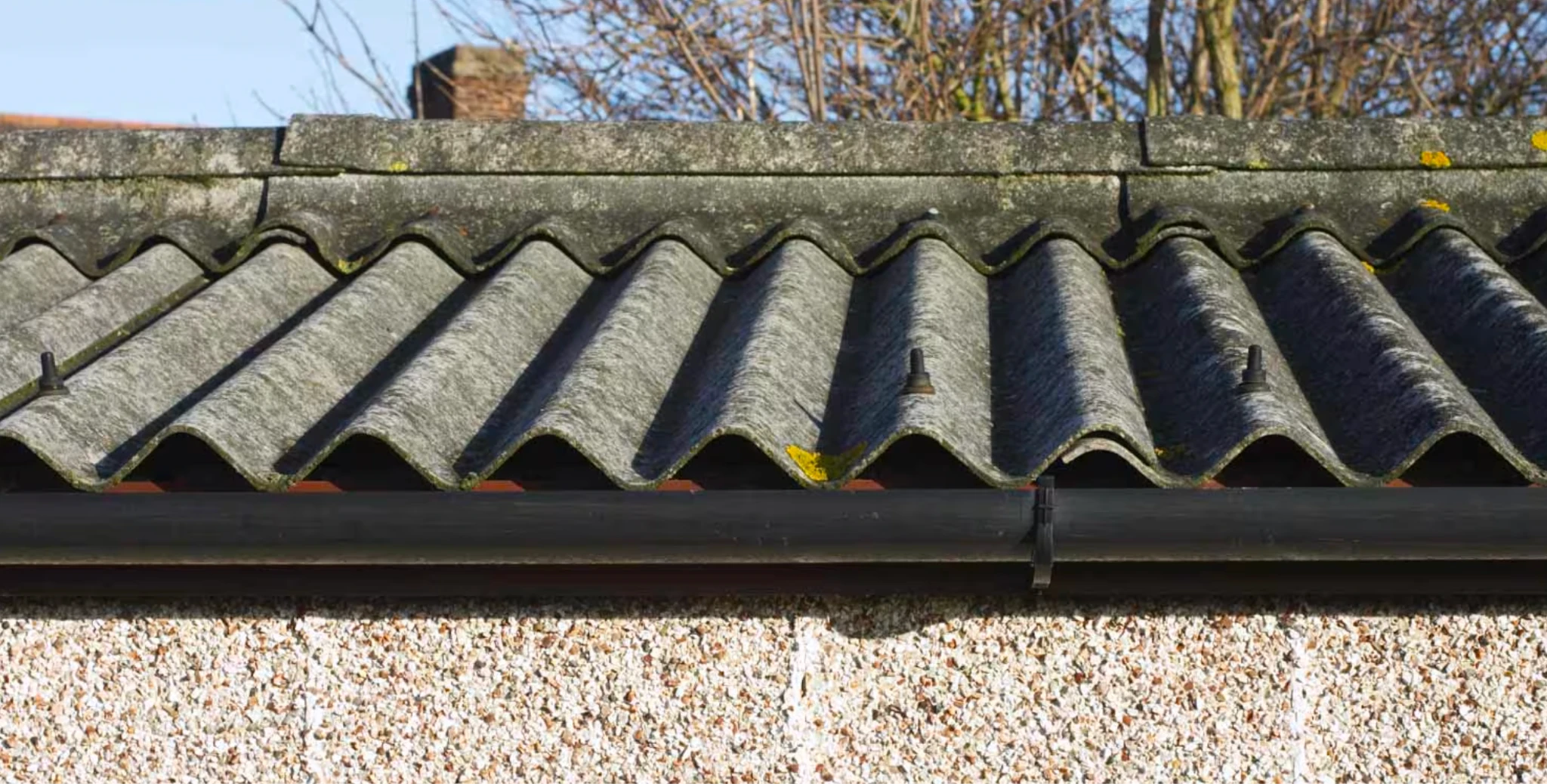
A home, school, office, or factory can look completely different today than it did 50 years ago. Walls get painted. Floors are replaced. Heating systems are upgraded. What often stays hidden is the material behind those visible surfaces. In older American buildings, that can include asbestos products installed decades before their health risks were widely understood.
This matters because asbestos exposure remains the main cause of mesothelioma, a rare cancer that often appears long after the original exposure happened. For someone receiving a diagnosis today, figuring out where that exposure occurred may mean looking back many years at workplaces, construction projects, military service, or buildings that no longer look anything like they once did.
Mesothelioma Often Starts With a Much Older Story
Mesothelioma develops in the thin tissue surrounding organs, most commonly the lining around the lungs. It is unusual compared with many cancers because the event that caused the disease may have happened decades before symptoms led to a diagnosis.
That long delay can make an already difficult diagnosis more confusing. Someone may have worked around insulation in the 1970s, renovated commercial buildings in the 1980s, or handled materials brought home on another family member’s work clothes without knowing asbestos was involved.
Attorneys who concentrate on these cases often spend considerable time reconstructing those histories. Meirowitz & Wasserberg, LLP, for example, represents people affected by mesothelioma and other asbestos-related diseases and investigates possible exposure sources that may date back many years.
Current cancer data show that the disease has not disappeared. The Centers for Disease Control and Prevention reported in its September 2025 U.S. Cancer Statistics update that 2,669 cases of malignant mesothelioma were reported nationwide in 2022. The agency also notes that asbestos exposure causes most cases.
| Mesothelioma fact | Current reported information |
|---|---|
| U.S. cases reported in 2022 | 2,669 |
| Main established cause | Asbestos exposure |
| Current incidence trend | New case rates are declining |
| Why cases still occur | Disease may develop many years after past exposure |
Why Old Buildings Are Still Part of the Picture
Asbestos was useful to builders because it resisted heat and fire and could strengthen other materials. It appeared in insulation, flooring, cement products, roofing, textured coatings, pipe coverings, and other building components.
Those materials did not automatically disappear when asbestos use declined. Many stayed exactly where they had been installed. A building might receive a new kitchen, new carpet, or modern electrical equipment while older material remained beneath flooring, around pipes, above ceilings, or inside mechanical areas.
In June 2026, the U.S. Environmental Protection Agency was still gathering information for regulation of legacy asbestos uses and disposal. The agency’s current position is important: asbestos-containing material left undisturbed does not create the same risk as material that is cut, sanded, broken, drilled, removed, or otherwise disturbed during renovation, repair, and demolition.
That helps explain why older structures continue to matter in mesothelioma cases. The issue is often not simply that asbestos existed somewhere in a building. The key question is whether fibers became airborne and whether someone breathed them in.
Renovation Can Reveal Materials Nobody Expected
A renovation frequently exposes parts of a building that have been sealed away for decades. Workers may remove old flooring and find another layer underneath. Opening a ceiling can expose insulation around pipes. Demolition can break apart wallboard, cement products, or thermal insulation that appeared harmless from the outside.
Several building materials are commonly associated with historical asbestos use.
| Part of a building | Materials that may contain asbestos |
|---|---|
| Floors | Older vinyl tiles, backing, adhesives |
| Pipes and boilers | Thermal insulation and pipe wrap |
| Walls and ceilings | Some plaster, textured coatings and insulation |
| Exterior surfaces | Certain cement siding and roofing products |
| Mechanical areas | Gaskets, insulation and heat-resistant materials |
Appearance alone cannot confirm whether a material contains asbestos. Two tiles manufactured decades apart can look almost identical even though one contains asbestos and the other does not. That is why suspect material should be evaluated before renovation rather than after it has already been broken apart.
The people exposed were not limited to asbestos industry employees. Carpenters, electricians, plumbers, maintenance workers, demolition crews, mechanics, construction workers, and building occupants could encounter fibers under different circumstances. Family members could also experience secondary exposure when contaminated work clothing or equipment was carried home.
A Diagnosis Can Raise Questions About Exposure
When mesothelioma is diagnosed, medical treatment comes first. At the same time, many families begin asking where the exposure happened and whether anything can be done about it.
There may not be one obvious answer. A person could have worked for several employers, lived in different homes, served in the military, or completed renovation projects over a long career. Product names may have been forgotten. Companies may have changed ownership or closed. Buildings may have been demolished.
That does not necessarily make the history impossible to investigate. Employment records, union information, military records, former coworkers, construction documents, product records, and known asbestos job sites can help connect pieces of the timeline. Families looking at available options in a specific area can also compare mesothelioma information for Philadelphia families and similar local information when deciding who to contact.
The long latency of mesothelioma is one reason these details matter. A diagnosis in 2026 could relate to work or environmental exposure that occurred decades earlier, when asbestos-containing products were much more common.
Older Buildings Are a Health Issue, Not Just a Renovation Issue
Finding old asbestos material does not mean everyone who entered a building will develop mesothelioma. Risk depends on whether fibers were released, the nature of the exposure, its duration, and other circumstances. That distinction matters because unnecessary alarm is no more useful than ignoring a known hazard.
The larger lesson is that old buildings preserve pieces of their construction history long after their interiors have been modernized. When those materials are disturbed, that history can become relevant again.
For people living with mesothelioma, the connection can be even more personal. What looks like an ordinary renovation material today may help explain an exposure that happened decades earlier. Understanding that timeline can give patients and families a clearer picture of how the disease developed and what medical, practical, and legal choices they may have now.