

What Is Kanna Used For? Traditional Roots and Modern Wellness
Kanna, a traditional herb from southern Africa, is gaining popularity for its mood-lifting properties and potential cognitive benefits in modern wellness…
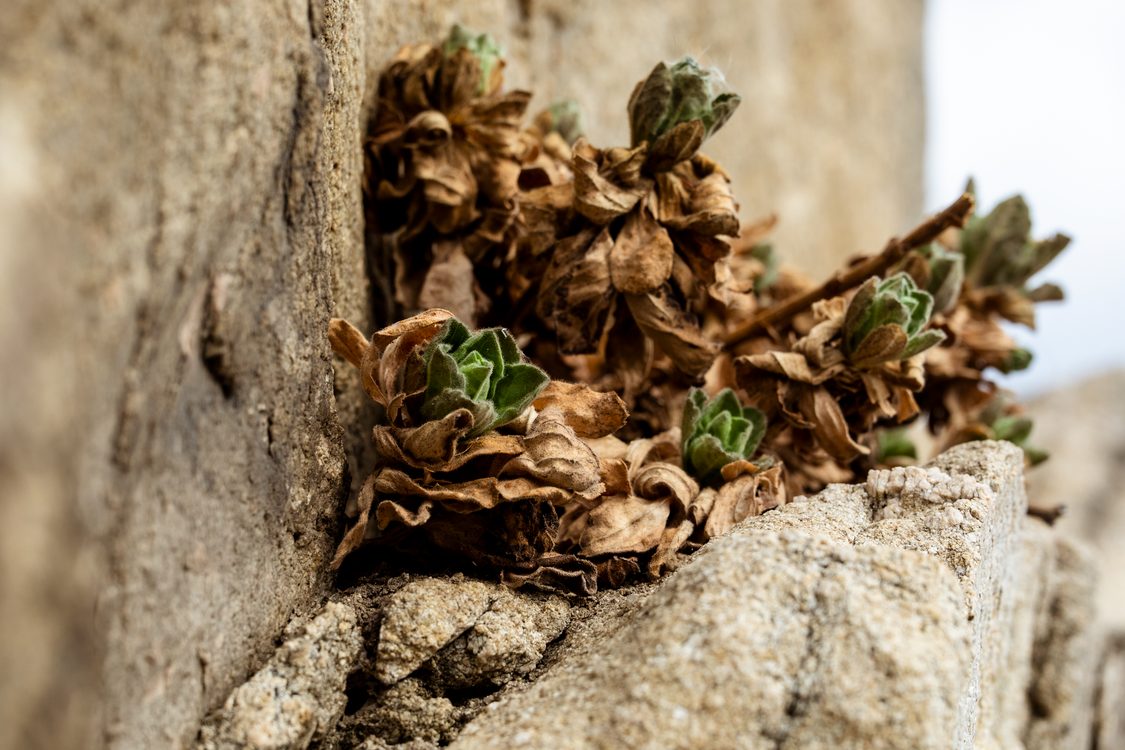
I first heard about kanna at a farmers' market, of all places. A small, sun-weathered vendor was selling dried herb blends, and tucked between the ashwagandha and the lion's mane was a little jar labeled Sceletium tortuosum. She noticed me squinting at it and smiled. "That one's special," she said. "People have been using it for thousands of years."
That conversation sent me down a rabbit hole I haven't fully climbed out of. And honestly? I'm glad it did. Kanna is one of those plants that rewards curiosity—rich in history, genuinely interesting from a science perspective, and increasingly relevant to the way a lot of us are thinking about mental wellness today.
A Plant Rooted in Ancient Tradition
Long before kanna appeared in wellness blogs or supplement capsules, it was a cornerstone of daily life for the San and Khoikhoi peoples of southern Africa. These indigenous communities, who lived across what is now South Africa and Namibia, used Sceletium tortuosum for centuries as a mood-lifter, a social lubricant, and a tool for emotional resilience during physically demanding journeys.
The preparation was tactile and deliberate. Fresh plant material was fermented—buried or stored in animal skins—then dried and either chewed, smoked, or used as a snuff. Fermentation wasn't just practical; it changed the alkaloid profile of the plant, making it more bioavailable and, some researchers believe, more potent.
Hunters chewed it to suppress hunger and fatigue during long treks. Healers used it to ease anxiety and facilitate altered states during ceremonial contexts. Mothers reportedly used it to soothe infants. The plant was woven into the fabric of daily life in a way that very few Western herbs can claim.
How Kanna Actually Works
This is where things get scientifically fascinating. Kanna contains a handful of active alkaloids—most notably mesembrine and mesembrenone—that interact with the brain's serotonin system. Specifically, these alkaloids appear to act as serotonin reuptake inhibitors, meaning they slow the reabsorption of serotonin in the brain, leaving more of it available to influence mood, cognition, and stress response.
If that mechanism sounds familiar, it's because it's the same basic principle behind many modern antidepressants. The difference is that kanna's effects tend to be milder, shorter-acting, and—for most people—without the side effects that pharmaceutical SSRIs can carry. Some alkaloids in kanna also appear to inhibit PDE4, an enzyme linked to inflammation and cognitive function, which may partly explain why people report improvements in focus alongside mood.
This dual action—serotonergic plus PDE4 inhibition—is actually what makes kanna stand out from other adaptogenic herbs. It's not just a vague "stress herb." There are plausible, studied mechanisms behind what people experience.
What People Are Actually Using It For Today
So, what is kanna doing in modern wellness circles, and why are so many people discovering it now?
The short answer is anxiety and stress. That's the most common reason people reach for it. A growing number of people who are curious about plant-based alternatives to pharmaceuticals—or who want something to take the edge off without alcohol or sedatives—are finding that kanna delivers a calm, grounded feeling without sedation or mental fog.
Mood support is another big one. Not in a dramatic, euphoric way, but in the quiet sense of things feeling a little lighter. Some people describe it as the mental equivalent of finally exhaling after holding your breath too long.
There's also an emerging interest in kanna for cognitive performance. A small clinical trial published in the Journal of Ethnopharmacology (2014) found that a standardized Sceletium tortuosum extract called Zembrin improved cognitive flexibility and executive function in healthy adults. For people interested in nootropics—substances that support mental clarity and focus—kanna is starting to appear alongside more established options like lion's mane or bacopa.
Social ease is another effect users frequently mention. Not quite the social lubricant that alcohol is, but a gentle lowering of social anxiety that makes conversation feel more natural. A few people I've spoken with take a small dose before public speaking or high-stakes meetings.
The Many Ways to Take It
Modern kanna products look quite different from fermented plant material chewed on the savanna. Today you'll find it in capsules, sublingual tinctures, teas, and loose herbs for brewing. Standardized extracts—like the Zembrin extract used in clinical research—allow for more consistent dosing, which matters if you're trying to gauge effects reliably.
Sublingual formats (drops held under the tongue) tend to act faster than capsules, usually within 20–30 minutes. Capsules are more convenient for daily use. Teas are gentler and better suited to those who are sensitive to stronger herbal effects.
Dosing varies significantly depending on the format and the alkaloid concentration. If you're starting out, less is genuinely more—kanna seems to follow a bell-curve response where lower doses produce clearer mood and focus benefits, while very high doses can tip into sedation or, in rare cases, mild discomfort.
A Few Things Worth Knowing Before You Try It
Kanna is generally considered well-tolerated, with a long history of use and a growing body of safety research. That said, there are a few practical considerations.
Because kanna affects the serotonin system, combining it with pharmaceutical SSRIs, SNRIs, or MAOIs carries a theoretical risk of serotonin syndrome—a potentially serious condition caused by excess serotonin activity. If you're on any of these medications, talk to your doctor before experimenting with kanna. This isn't a fringe concern; it's basic pharmacological sense.
Kanna's legal status also varies by country. In South Africa, wild harvesting of Sceletium tortuosum is regulated to protect natural populations. In most of the US, UK, and Europe, it's legal to buy and use. Always check your local regulations.
Quality matters more than price with kanna. Because the plant's alkaloid content can vary significantly depending on growing conditions and processing methods, cheap, poorly processed products may deliver inconsistent or negligible effects. Look for standardized extracts from reputable suppliers who test their products.
Why This Ancient Plant Feels So Relevant Right Now
There's something worth sitting with here. A plant that southern African communities relied on for thousands of years to manage stress, enhance mood, and connect with one another is now finding an audience among people navigating anxiety, burnout, and the particular exhaustion of modern life. The contexts are wildly different. The underlying human need, though? Not so different at all.
Kanna won't solve systemic problems. No herb will. But as a tool for managing the internal experience of those problems—for softening anxiety, supporting mood, and keeping the mind a little clearer—it has real merit, backed by both traditional knowledge and emerging science.
For me, that farmers' market conversation led to months of reading, experimenting, and talking to practitioners who work with plant medicines. Kanna earned a quiet but consistent place in my routine, particularly on high-stress days when I want support without sedation. Your experience may look different. Most plant medicines are like that—deeply personal, context-dependent, and worth approaching with both open curiosity and appropriate care.
Frequently Asked Questions
How long does kanna take to work?
Sublingual tinctures typically take effect within 20–30 minutes. Capsules usually take 45–90 minutes, depending on whether you've eaten recently. Effects generally last 2–4 hours.
Is kanna addictive?
There is no strong evidence of physical dependence with typical use. Indigenous accounts and modern reports suggest it is not habit-forming at moderate doses, though any mood-altering substance can develop psychological reliance if used as an escape rather than a support tool.
Can I take kanna every day?
Some people do use it daily, particularly in lower doses. Others prefer to use it situationally to maintain sensitivity to its effects. Starting with a few times per week allows you to observe how your body responds before committing to a daily regimen.