

The Rise of Data-Centric Careers and What Students Need to Know
Most people noticed the shift at work once spreadsheets started settling arguments that managers used to drag through meetings for hours. Sales teams followed lead scores instead of instinct. Stores cut product orders because customer…
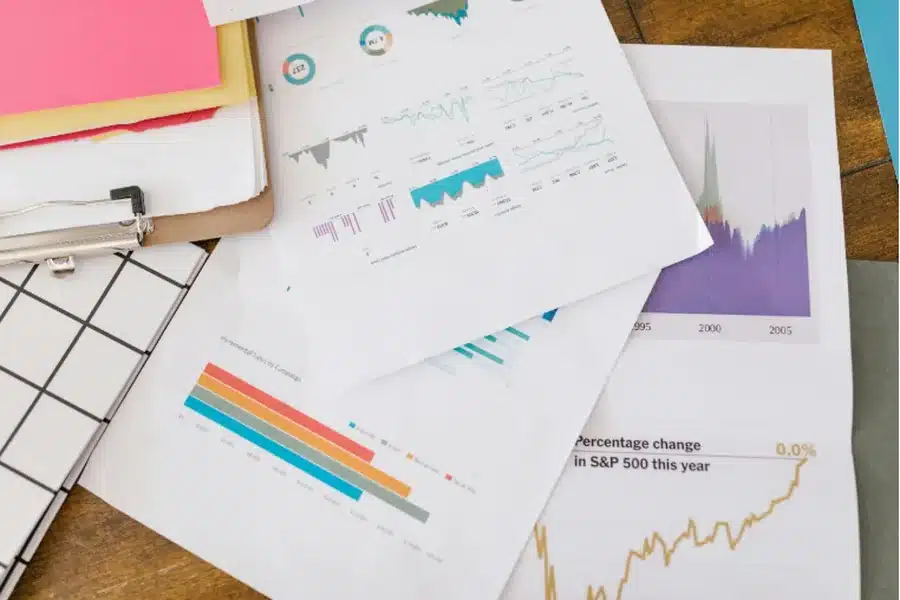
Most people noticed the shift at work once spreadsheets started settling arguments that managers used to drag through meetings for hours. Sales teams followed lead scores instead of instinct. Stores cut product orders because customer data showed some items barely moved. Even smaller offices now track clicks, refunds, abandoned carts, and customer habits. It all became routine quietly.
The change built slowly, then suddenly, workplaces seemed flooded with dashboards and reporting tools. Students entering college now step into jobs where numbers sit behind almost everything, even roles that sound completely non-technical. Companies still hire for traditional positions, sure, but employees comfortable around data usually move ahead faster.
Data Skills Are Showing Up in More Careers
Ten years ago, most data-heavy jobs stayed inside finance firms, research departments, or large tech companies. That separation does not really exist the same way anymore. Hospitals study patient trends to manage staffing levels. Retail stores track buying habits almost daily because inventory mistakes become expensive fast. Sports teams rely on performance data for decisions that once depended mostly on instinct or experience.
Other industries moved in the same direction because they had little choice. Delivery companies monitor routes down to the minute. Restaurants track food waste and ordering patterns through apps because margins have tightened and stayed tight. Schools review attendance numbers, enrollment shifts, and budgeting projections. There is more pressure now to justify decisions with something measurable.
Students usually notice this once internships begin. A marketing role may involve analytics dashboards far more than writing campaigns. Business assistants sometimes spend entire afternoons organizing reports or cleaning customer data that arrived messy from different systems. Some people still expect office jobs to revolve around meetings and presentations, so the reality feels different almost immediately.
Universities have been adjusting, though not always quickly. Business education pathways like the University of North Carolina Wilmington’s MBA business analytics online program now include stronger analytical training because employers increasingly want graduates who can interpret trends instead of simply reporting numbers back to management.
The University of North Carolina Wilmington offers flexible online business programs focused on leadership, analytics, and practical decision-making. Through its AACSB-accredited curriculum, the university combines technical skills, strategic thinking, and management applications intended for modern business environments.
Courses connected to forecasting, operations, and decision-making have become more common, especially among working professionals already dealing with these shifts inside their own jobs. In many cases, the interest comes from practicality more than excitement. Jobs changed first. Skills had to catch up afterward.
Job Titles Stay the Same While the Work Changes
One odd thing about workplaces right now is that job titles still sound familiar while the work underneath keeps shifting. A marketing coordinator may spend more time inside analytics dashboards than building campaigns. Managers still talk about instinct during meetings, but someone is usually checking live performance numbers beside them. The change sneaks up slowly. Then suddenly, every role feels tied to reporting systems somehow.
Students enter these jobs expecting one thing and find something more analytical waiting underneath. Remote work pushed this further, too. Hiring, scheduling, customer support, productivity tracking — most of it now runs through software quietly measuring activity all day, whether employees think about it or not.
Technical Skills Matter Less Than People Think
A lot of students still hear “data-focused career” and immediately picture advanced coding, complicated math, or highly technical work. That assumption probably scares some people off before they ever see what most of these jobs actually look like day to day.
In reality, businesses that utilize data correctly get an edge. Many roles today revolve more around interpretation than technical skill. A business analyst might spend more time explaining trends during meetings than writing code. Marketing teams constantly review customer behavior reports without needing deep engineering knowledge behind them. Operations staff sit inside dashboards for hours while barely touching anything highly technical.
Usually, the difficult part is figuring out what actually matters in the information. Why customers stop returning after a first purchase, why sales suddenly weaken in one region, those answers are rarely simple. Several smaller issues tend to overlap.
Students who stay curious usually adapt faster than expected. Companies still need people who can notice patterns, ask useful questions, and explain things clearly once the numbers stop speaking for themselves.
Data Still Needs Human Judgment
Companies still overestimate what automation can do. A dashboard might show customer retention falling, but numbers rarely explain why people got frustrated or stopped coming back. Data spots problems fast. Figuring out the reason behind them usually takes longer, and sometimes the answer is not obvious at all. A lot of workplaces talk as if software can replace judgment entirely. In practice, things get messier than that pretty quickly.
Students entering the workforce now walk into jobs shaped around analytics and reporting tools, but businesses still depend on people who can interpret context, communicate clearly, and make decisions once the data stops giving clean answers.