

Prevention Paradigm: 7 Predictive Models in AI For Healthcare Diagnosis
A late diagnosis can have serious repercussions. Weeks or months are lost for many as they try to find out what their symptoms mean before getting help. At the same time, doctors are being…
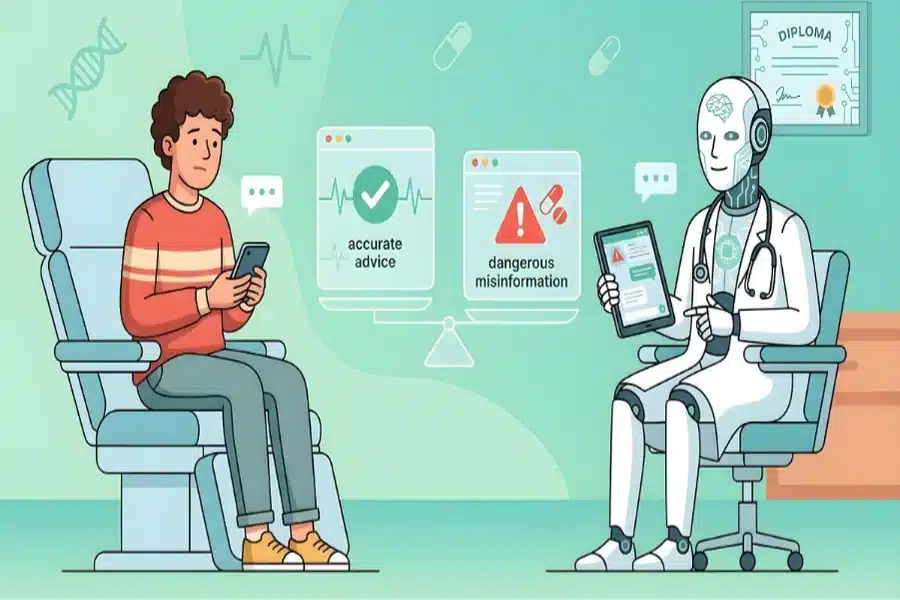
A late diagnosis can have serious repercussions.
Weeks or months are lost for many as they try to find out what their symptoms mean before getting help. At the same time, doctors are being challenged to quickly and accurately review extensive medical data.
The traditional medical services are likely to treat a disease when it appears. However, times are a-changing, and it’s technology that is transforming healthcare from a reactive to a preventative process.
AI plays a huge part in this transformation. With predictive AI models in place, patterns can be identified, risks can be detected early, and medical interventions can take place well before.
This means healthcare providers can make quicker, more informed decisions before the situation gets out of hand.
In this article, we will be talking about 7 predictive AI models that are transforming the healthcare sector in terms of prevention, early detection, and smarter patient care.
1. Machine Learning Models for Early Disease Detection
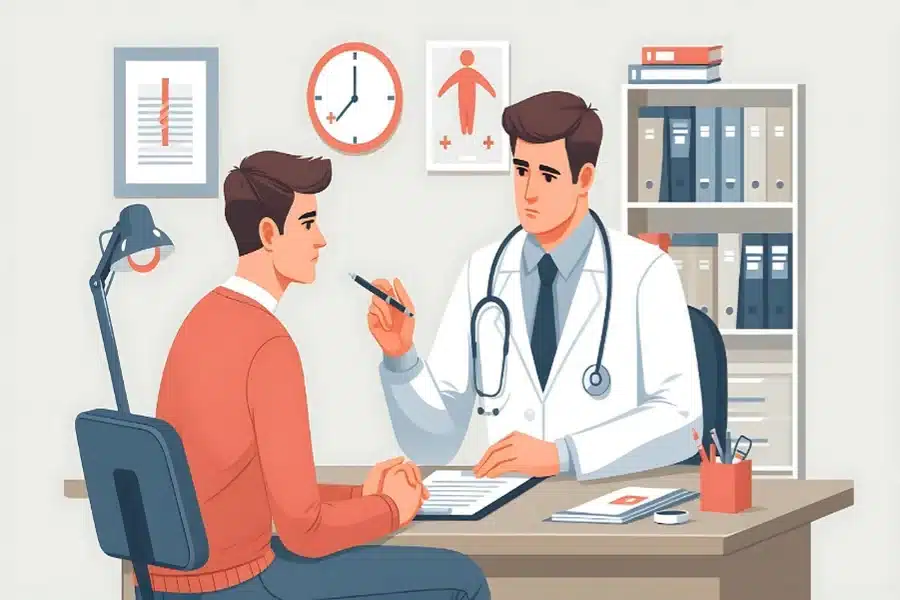
As AI for healthcare diagnosis comes into the picture, healthcare providers can diagnose diseases much sooner than ever before. Machine learning models analyze large volumes of patient data, including laboratory test results, medical history, lifestyle and genetic data. These systems can detect potential health risks before they become serious by being able to see hidden trends.
For example, predictive models could be used to predict the onset of diabetes, cardiovascular disease and some cancers as early as possible. This implies that the treatment may be initiated earlier, and lifestyle modifications are necessary.
These systems can also help to improve diagnostic efficiency. Healthcare professionals get information rather than just relying on visible symptoms, based on data analysis. This accelerates the clinical decision-making and assessment process.
2. Neural Networks for Medical Imaging
There is no denying the significance of medical imaging in predictive healthcare. But manual analysis of scans can be time-consuming, particularly in hospitals with high patient volumes. In this process, neural networks enhance the speed and accuracy.
These AI tools can analyze X-rays, CT scans, MRIs and mammograms to detect abnormalities associated with serious conditions. Neural networks can identify subtle irregularities that might not be noticed in regular assessments in many cases.
This means healthcare professionals can focus their efforts on more critical cases more efficiently. Conditions like lung cancer, stroke and fractures can be diagnosed earlier due to faster analysis.
3. Predictive Analytics for Heart Disease Risk
Millions of people around the world continue to suffer from heart disease. As such, early detection of risk factors is of the utmost importance. Predictive analytics models help healthcare organizations assess a patient’s risk of future cardiovascular events based on multiple health factors.
These systems examine blood pressure, cholesterol levels, smoking status, age, family history, and activity level. This data can be used in conjunction to calculate the risk for future heart issues that a person may experience.
This means doctors can develop specific plans to prevent disease before it really takes hold. Depending on a patient’s risk profile, they may be advised on dietary changes, medication adjustments, and/or extra screenings.
4. Natural Language Processing for Clinical Insights
There is enormous written data production in healthcare systems every day. Nurses take notes, doctors write reports, and patients tell their doctors about their symptoms. This information can be reviewed manually, but it can slow down the diagnostic process for drug addict.
Natural Language Processing, or NLP, is a technique that aids medical text analysis for healthcare providers. These AI models have the potential to analyze clinical notes, EHRs, discharge summaries, and patient interactions to uncover significant patterns.
If a pattern of the same symptoms, such as “fatigue,” “short of breath,” or “chest discomfort,” appears across multiple records, it may indicate an underlying condition that requires additional testing.
5. AI Models for Hospital Readmission Prevention
Hospital readmissions can cause additional stress for patients and healthcare systems. In most instances, patient readmission is due to complications of recovery that were not detected early enough after discharge.
Predictive AI models can address this issue by identifying patients at risk of readmission. These systems consider treatment history, medication compliance, chronic diseases, the recovery process, and prior hospitalizations.
Consequently, medical professionals will be able to provide more assistance before complications develop. This can be in the form of follow-up visits, long-distance follow-ups, or individualized recovery programs.
6. Predictive Models for Infectious Disease Tracking
Some infectious diseases can quickly spread, particularly if the alert signals warning of an outbreak are not identified in time. With the help of predictive AI models, healthcare systems are better equipped to track and anticipate such outbreaks.
These systems monitor population health data, travel information, environmental factors, and symptom patterns to detect unusual activity. This means that when infection risks are increasing, healthcare authorities can respond more quickly.
Predictive models can, for instance, warn hospitals of rising case numbers in certain areas before outbreaks become widespread. This enables healthcare systems to plan resources, staffing, and treatment plans in advance.
7. Personalized Predictive Models for Chronic Care
Each patient responds differently to chronic disease treatment. AI algorithms are improving health outcomes by developing more personalized care plans by analysing individual health patterns.
These systems track blood sugar levels, medication response, sleep quality, heart rate variability, and other physical activities. AI can identify early signs and symptoms that may lead to complications over time.
For example, if blood sugar trends are not as stable as they should be, a change in the diabetes treatment may be warranted. Likewise, reduced activities can indicate increased pain and/or mobility problems.
This means that healthcare providers can intervene earlier and enhance treatment accuracy. Patients are also provided with care plans more closely aligned with their individual health needs.
Conclusion
Predictive AI models are reshaping healthcare diagnosis, moving from reactive to preventive care.
These technologies are enhancing the ability to detect and make clinical decisions in medical imaging, heart disease evaluation, infectious disease tracking and management of chronic diseases.
Meanwhile, AI is optimized when used in conjunction with healthcare professionals, not as a replacement for them. Human expertise remains vital for accurate patient diagnosis and treatment.
But predictive intelligence provides healthcare systems with powerful tools to capture risks earlier, enhance treatment outcomes and build a more preventative medical future.