

What Causes Low Water Pressure in Your Home? Common Reasons Explained
There’s a certain kind of frustration that only homeowners fully understand — standing in the shower while a sad little trickle hits you in the shoulder. You’ve fiddled with the valve, replaced the showerhead, and…
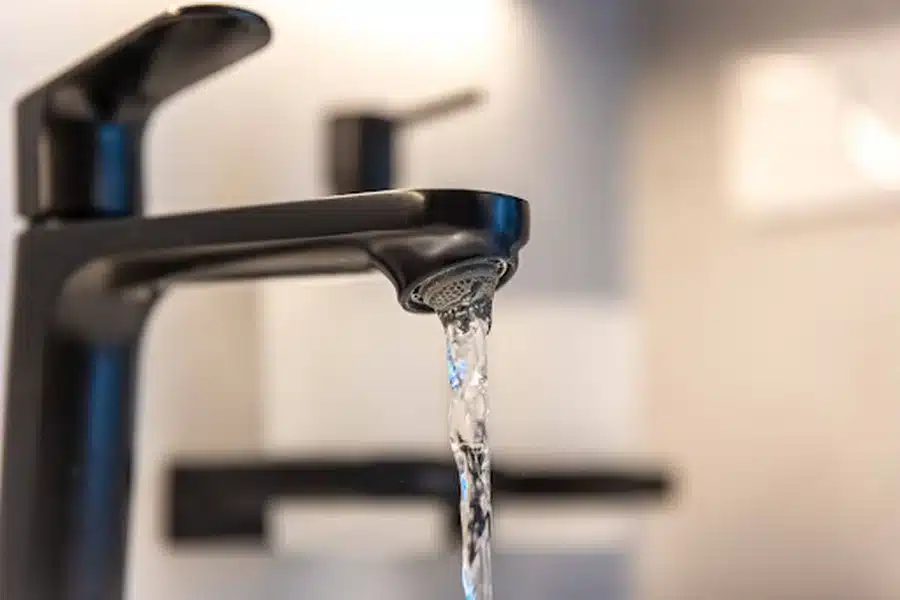
There’s a certain kind of frustration that only homeowners fully understand — standing in the shower while a sad little trickle hits you in the shoulder. You’ve fiddled with the valve, replaced the showerhead, and maybe even Googled the problem at 11 pm. Plumbers who schedule plumbing service calls say weak water flow is one of the most common complaints they get, and yet it’s also one of the most misdiagnosed. Pros at this San Jose plumber page see it constantly: people patching the wrong thing because they never tracked down the actual cause.
The frustrating part is that the causes vary wildly from something as simple as a half-closed shutoff valve to a slow-developing pipe corrosion problem that’s been building for years. Diagnosing it right the first time saves a lot of unnecessary money and hassle.
What Is Considered Normal Water Pressure in a Home?
Most residential systems run between 40 and 80 PSI (pounds per square inch). Below 40 and you’re going to feel it at the tap. Above 80 and you’re actually stressing your pipes, which creates a different set of problems down the road.
A basic pressure gauge from any hardware store that threads onto an outdoor hose bib will give you a reading in under a minute. It’s the first thing worth checking before anything else.
Most Common Causes of Low Water Pressure
The shut-off valve is usually the main one, and it is normally found where the supply line enters the house. The repair was half closed and never fully reopened. Your entire system is running in a limited. Same deal with the meter valve out by the street. These are easy to overlook because nobody touches them unless something went wrong recently.
Pipe corrosion is the other big one, especially in older homes with galvanized steel supply lines. The interior walls of those pipes narrow over decades as rust and mineral buildup accumulate. You’ll see it alongside discolored water and that’s when weak water flow plumbing issues tend to really show themselves, sluggish at multiple fixtures all at once, not just one.
A failing pressure regulator is also common. Not every home has one, but if yours does and it goes bad, pressure can drop dramatically with almost no other warning signs.
Less Obvious Reasons Your Water Pressure Is Low
Peak demand hours catch a lot of people off guard. If your pressure drops every morning around 7 am and comes back by mid-morning, you’re likely on a municipal supply line that’s getting hammered by the whole neighborhood at once. It’s not your plumbing, it’s timing.
Hidden leaks are another sneaky one. A slow leak inside a wall doesn’t always produce visible water damage right away, but it bleeds pressure from the system steadily. The first thing to do is look for a leak if your water bill has slightly increased and your pressure gauge is showing low for no obvious reason.
How to Fix Low Water Pressure (DIY Solutions)
First things first: make sure to verify that both shutoff valves (main and meter) are fully opened. After that, proceed with cleaning or changing the faucet aerators. Mineral deposits clog those screens and people never think to check them. A blocked aerator or showerhead is nearly always the cause of low water pressure at a single fixture rather than a system issue. If you have a pressure regulator and know how to access it, you can usually improve pressure by turning the adjustment screw on top clockwise. If the problem points to a worn or damaged faucet component, trusted plumbing suppliers like New York Replacement Parts offer a range of shower faucet parts and other replacement components for common plumbing repairs.
The adjustment screw on top of a pressure regulator can frequently be moved clockwise to raise pressure if you have one and know how to access it. Just go slowly and recheck the gauge.
When Should You Call a Professional Plumber?
It’s time to call a plumber if your home’s water pressure drops in every tap, the water turns rusty, you have some oddly damp areas, or you have leaks in various locations and the self-inspection fails to identify the cause of the issue. When combined, these indicators frequently show that the issues are at the pipe level and require expert plumbing knowledge. You may avoid speculating by having a plumber do a pressure test and pinpoint the precise location where the system is failing.
Preventing Future Water Pressure Problems
Annual pressure checks are around 2 minutes & spot problems early. Hard water in a full-house filter or water softener will greatly reduce the mineral accumulation inside the pipes. And if you live in a home that’s 40+ years old with original plumbing, a plumber’s examination every few years is cheap compared to the cost of corrosion damage that will occur.
The weak water flow plumbing issues that seem minor today have a way of compounding quietly.
In Conclusion
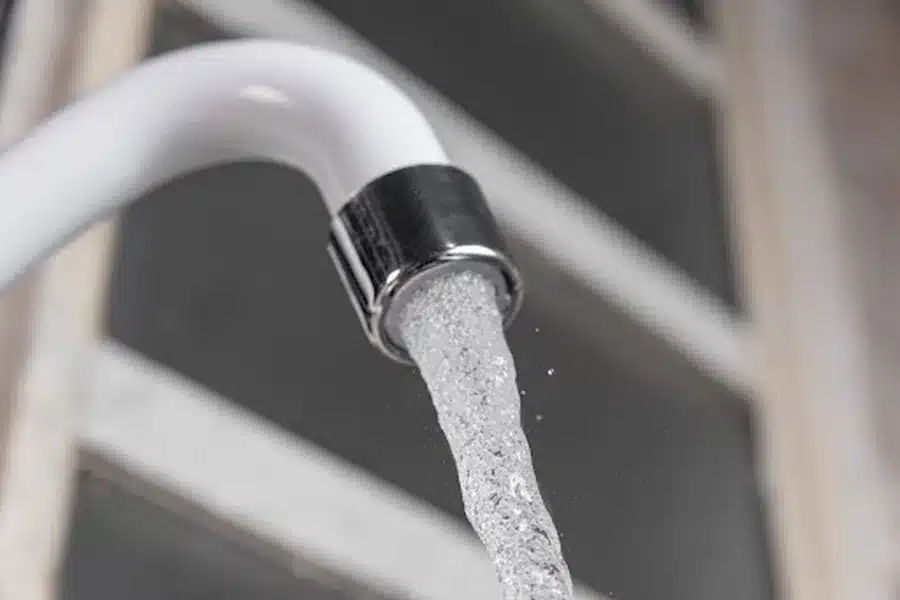
Low water pressure is almost never just a pressure problem. It’s a sign of old pipes, a jammed valve, a faulty regulator, or a leak out of sight. It’s the homeowners who truly trace it to the source, instead of just replacing our fixtures and hoping for the best, who fix it for good.
Start with the shutdown valves and go inward. Get a pressure gauge. The answer is usually closer than you believe.