

The Rise of Alternative Luxury Products
Yes, luxury is synonymous with high fashion, fine jewelry, and other limited-edition products. But with today’s expanding pool of luxury-focused brands, what qualifies as luxurious is growing, as well. And today’s consumers are more willing…
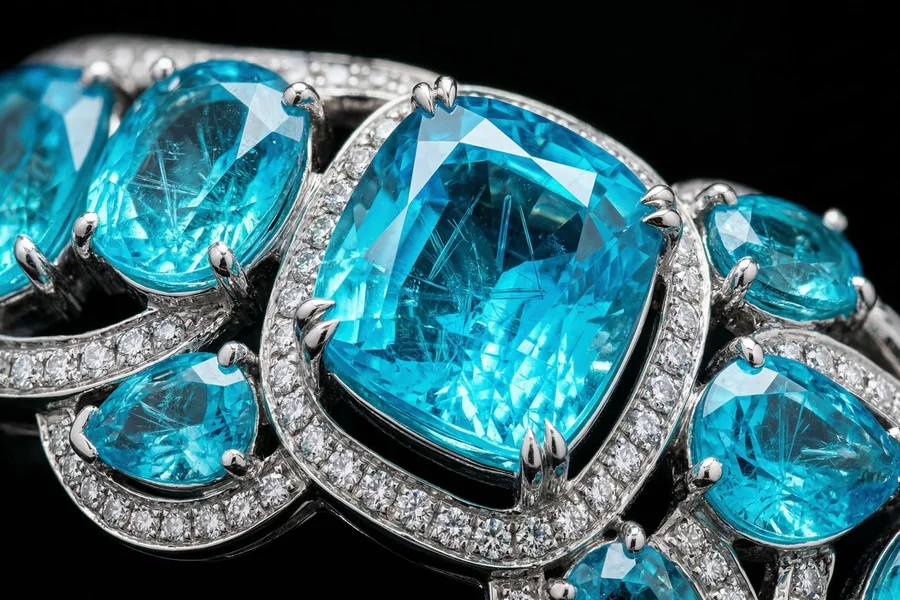
Yes, luxury is synonymous with high fashion, fine jewelry, and other limited-edition products. But with today’s expanding pool of luxury-focused brands, what qualifies as luxurious is growing, as well. And today’s consumers are more willing to embrace alternative notions of luxury that prioritize unique production processes, like growing diamonds in labs, and sustainability.
With more independent brands and fresh designs hitting the marketplace, the options to enhance personal style are endless. Keep reading to learn about the rise of alternative luxury products.
Defining Alternative Luxury
Alternative luxury brands prioritize ethical production practices, unique design choices, and quality customer engagement. These brands might be new and unable to rely on a well-known history to entice customers. Instead, they meet the needs of younger buyers by appealing to their interest in environmental issues, modern style, and innovative production.
Anything from watches to jewelry and leather bags can be considered an example of alternative luxury. With the best technology and a mission-oriented approach, today’s brands are helping redefine luxury for a new generation of buyers. An alternative approach to luxury means considering the needs of those most eager to spend.
Read More: Marc Andreessen’s Shocking New Prediction Stuns Silicon Valley
Meeting the Needs of the Newest Generations
Today’s newest generations are helping shape the direction of the luxury marketplace. Gen Z buyers want to buy from eco-friendly companies that sell everything from natural dog food to sustainable camping equipment and high-end jewelry.
Buyers want to understand the backstory of something they’re buying. If a product isn’t made using locally sourced materials, for instance, that could deter a younger buyer from moving forward with the purchase. Buyers also want to know that luxury brands are being good stewards of the environment by properly disposing of waste and supporting environmental initiatives.
Further, younger generations, like Millennials and Gen Z, are looking to social media to find out about the brands from which they purchase. Alternative luxury brands can establish a distinct identity online and engage directly with customers to expand their reach. Younger buyers respond to well-designed logos, on-brand social media posts, and behind-the-scenes stories about the brands they follow.
Emerging brands can emphasize their focus on craftsmanship and unique designs not found in mainstream products. As younger generations look to embrace individuality, small-batch production offers the specialized clothing, jewelry, and accessories they want.
Making Changes in the Jewelry Industry
While change is widespread in the luxury marketplace, the jewelry industry is seeing some of the biggest shifts. For generations, most fine jewelry and engagement rings have featured traditionally mined diamonds. But today, lab-grown diamonds have become a popular alternative.
Lab-grown diamonds offer many of the same visual and physical characteristics as mined diamonds while providing consumers with additional choices in design, production methods, and price points. Unlike mined diamonds, they avoid traditional mining processes and can offer greater flexibility in design and pricing.
Many modern buyers are looking for greater transparency in how diamonds are sourced and marketed. While lab-grown diamonds continue to expand consumer choice, the natural diamond sector is also evolving through new branding and storytelling initiatives that emphasize rarity, provenance, and long-term value. Industry observers have noted how desert diamonds are disrupting the industry by encouraging renewed interest in distinctive natural diamonds and reshaping how the category is presented to modern consumers. Together, these developments illustrate how both innovation and changing consumer expectations are influencing the future of fine jewelry.
As consumers become more selective about their luxury purchases, many are prioritizing distinctive, high-quality jewelry alongside greater transparency in sourcing, craftsmanship, and production practices.
Moving from Traditional to Alternative
Traditional handbags, earrings, and other accessories will always have a place in the luxury market. But, increasingly, alternative approaches to production from emerging brands are making their mark. And with eco-minded, younger generations looking to purchase original designs, less-established brands have a ripe audience.
Ultimately, luxury brands need to appeal to shifting definitions of what luxury is. For today’s buyers, luxury can be a sign of individualism, style, and sustainability. The growing acceptance of innovations such as lab-grown diamonds illustrates how modern consumers increasingly define luxury through sustainability, craftsmanship, and originality rather than tradition alone.