

The Quiet Tuesday Problem: How to Fill a Salon’s Empty Hours Without Discounting Everything
Most salon marketing is aimed at the wrong problem. Owners spend on reach — posts, ads, offers to the world at large — when the actual gap in the business is far narrower and much…
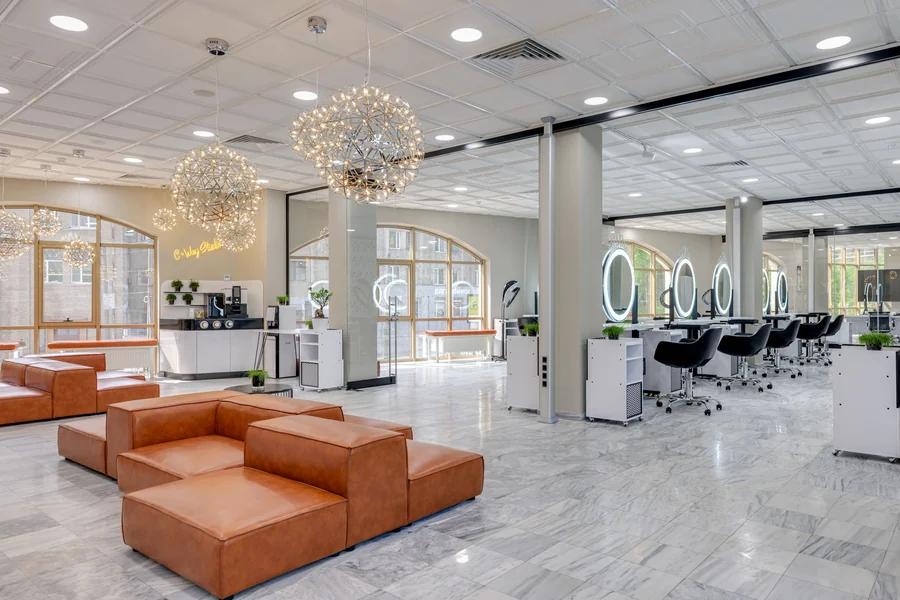
Most salon marketing is aimed at the wrong problem. Owners spend on reach — posts, ads, offers to the world at large — when the actual gap in the business is far narrower and much cheaper to close.
Look at a typical week honestly. Saturday is full. Thursday evening is full. Friday afternoon is full. And then there is Tuesday at eleven, Wednesday at two, most of Monday, and the hour after lunch on almost every day, sitting empty.
You don’t need more clients to fill those. You need the clients you already have to come in at a different time.
Why the blanket discount is the wrong tool
The instinct, when the week looks thin, is to run an offer. Twenty percent off, posted everywhere, for anyone.
This does fill the calendar. It also does three unhelpful things.
It discounts the appointments that would have happened anyway — the Saturday client who was coming regardless now pays less. It trains regulars to wait for the next offer instead of booking at full price. And it says something about your positioning that’s hard to unsay, especially in premium treatments.
The better approach is narrower on every dimension: a specific offer, to a specific group, for a specific slot, for a limited time.
Five campaigns that don’t cost you your pricing
1. The last-minute gap filler
A cancellation at 10am for a 2pm appointment is worth nothing by default. Offered — quickly, to the right people, at a modest discount — it’s worth most of full price.
This is the highest-return marketing a salon can do, because you’re only ever discounting capacity that was about to expire. Nothing you would have sold anyway is affected.
2. Time-shifted offers
Rather than discounting a service, discount a slot. Ten percent on weekday mornings. A small incentive on the dead hour after lunch. The regular client who’s flexible will happily move; the client who can only do Saturday keeps paying full price and takes the peak slot that’s in demand anyway.
You haven’t reduced your prices. You’ve introduced sensible off-peak pricing, which every hotel, airline and restaurant has done for decades.
3. Birthdays and anniversaries
A message on a client’s birthday, or on the anniversary of her first visit, with a small treat attached, is the rare marketing that clients genuinely enjoy receiving. It arrives once a year, it’s personal, and it costs you very little.
It also works particularly well because it doesn’t feel like a campaign. It feels like being remembered.
4. The service-specific rebooking nudge
Not marketing exactly, but it fills more empty slots than any offer will. A prompt timed to the interval that specific service actually needs — six weeks for colour, four for a wax cycle, three for a gel infill — reaching the client at the moment she was starting to think about it.
The reason this outperforms a generic newsletter is timing. You’re not persuading anybody of anything; you’re removing the friction from a decision she was already drifting toward.
5. New-client offers, aimed only at new clients
If you’re going to discount for acquisition, aim it precisely. An offer that only new clients can redeem gets you the growth without giving away margin on your existing base.
Pair it with a rebooking prompt after that first visit, otherwise you’ve bought a single discounted appointment rather than a client.
The infrastructure this needs
Every campaign above depends on knowing three things: who your clients are, what they had done, and when they last came in. Which is why marketing in a salon isn’t really a separate discipline — it’s a by-product of keeping decent records.
Salon Software Marketing tools that sit inside the booking system have a straightforward advantage over standalone email platforms: they already know all three, and the offer lands next to a booking button rather than requiring the client to go and find one.
TimeTailor bundles this into the platform rather than selling it as a module. What’s there:
- Custom promotions and discounts, as a percentage or a fixed amount.
- Last-minute deals for empty appointment slots — the gap filler above, automated.
- Service-specific promotions and time-period offers, which is how you build off-peak pricing.
- Birthday and anniversary treats, and seasonal or holiday campaigns.
- Personalised promo codes and limited-time promotions.
- Offers targeted at new clients
- Rebooking reminders at customisable intervals, set per service.
- Gift cards, which are a genuine acquisition channel — someone else pays you to introduce a client.
- Client profiles with notes and service history, so the targeting has something to work with.
- A custom website and personalised booking links, plus automated reminders to protect what you fill.
On cost, the model is worth stating plainly, because “free marketing tools” usually means something else. TimeTailor’s platform is free for manual appointments, with unlimited staff members. For online bookings, a 3.9% fee on the appointment value applies at checkout — payable by the client or absorbed into the salon’s prices. There’s no separate marketing subscription on top.
Start by counting the holes
Before running any campaign, do one thing: take the last four weeks and mark every appointment slot that went unsold.
You’ll see a pattern within minutes, and it’s usually more specific than “Tuesdays are quiet”. It’s Tuesday and Wednesday between ten and two, or the first hour of every day, or the whole of the last week of the month.
Aim at that. A campaign pointed at a known hole in a known week, sent to clients you already know, will outperform a general offer to the world by a distance — and it won’t cost you a penny of margin on the appointments that were never in doubt.