

Italian Fashion – A Timeless Blend of Elegance and Innovation
Italian fashion has long been synonymous with sophistication and elegance. Italy is a fashion industry leader in the world because of its flawless craftsmanship, attention to detail and its classic nature. From high-end luxury to…
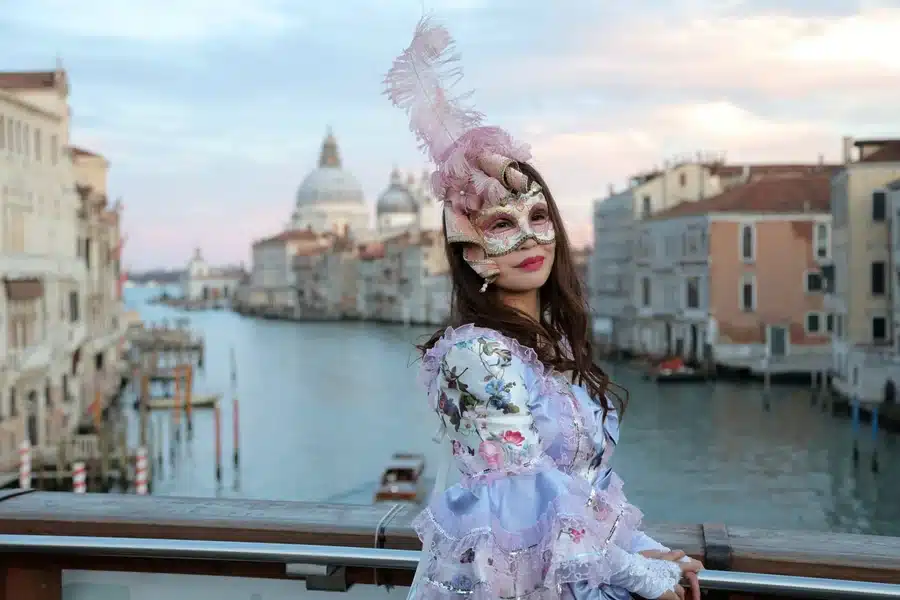
Italian fashion has long been synonymous with sophistication and elegance. Italy is a fashion industry leader in the world because of its flawless craftsmanship, attention to detail and its classic nature. From high-end luxury to street style, Italian fashion reflects the country’s rich cultural heritage and innovative spirit. This article explores the history, iconic designers, and key elements that make Italian fashion unique and influential.
The History of Italian Fashion
Italian fashion dates back to the Renaissance when art, culture, and fashion intersected in cities like Florence, Venice, and Milan. Italy at this time was recognized as the land of luxury fabrics and pompous designs. However, the modern era of Italian fashion truly began in the mid-20th century, with the rise of iconic fashion houses and designers who elevated the country’s reputation on the global stage.
In the 1950s and 1960s, Italian fashion took center stage as designers such as Giorgio Armani, Valentino Garavani, and Gianni Versace revolutionized the industry. Aside from adopting and promoting the traditional Italian craftsmanship in their designs, they also brought new designs, which shaped the fashion in the world.
Key Designers
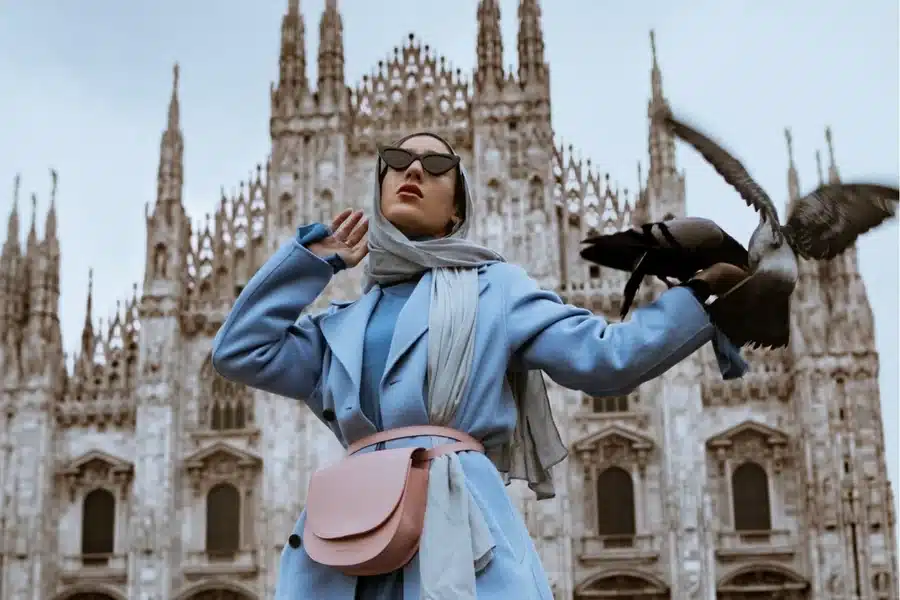
Italian fashion owes much of its global prestige to a select group of visionary designers. Some of the most recognizable names are Giorgio Armani, who invented the suit with his refined designs; Gianni Versace, the most outrageous designer whose bold designs became the emblem of luxuriousness and extravagance; and Valentino, the creator of the timeless and romantic style, the designer who made the flowing dresses and suits synonymous with the idea of elegance. Other powers such as Miuccia Prada have also influenced the modern world by integrating the high end fashion with an element of playfulness and creativity. Among others, these designers have not only changed the manner in which we consider style, they have also established that Italy is the leading fashion in the world.
The Milan Effect in Fashion
Milan is often considered to be the fashion capital of Italy, as well as of one of the most significant fashion cities in the entire world. Some of the leading fashion houses, luxury boutiques and the well-known Milan Fashion Week are located in the city hosting established and upcoming designers. Milan’s stylish streets and its focus on high-end fashion have made it the epicenter of Italian fashion.
Milan has its influence on the runway. It is a fashion business location, where the best buyers, editors, and influencers come together to make business and trends. The city blends both historical and modern innovativeness, which makes it the best environment to host the fashion industry of Italy.
Key Elements of Fashion
The essence of Italian fashion lies in its attention to detail, quality, and timeless elegance. Italian fashion is characterized by perfect tailoring that ensures each piece fits flawlessly. The decision to use luxurious fabrics such as silk, cashmere, and finer wool, among others, goes further to make the Italian garments stand out among others. The color is used boldly and the prints are incredibly elaborate; all these show the richness of the culture of the country and at the same time the craftsmanship will last long and be elegant. This blend of the components makes it an easy way to get a complete style and yet luxurious, which is distinctly Italian.
Italian Fashion Beyond High Couture
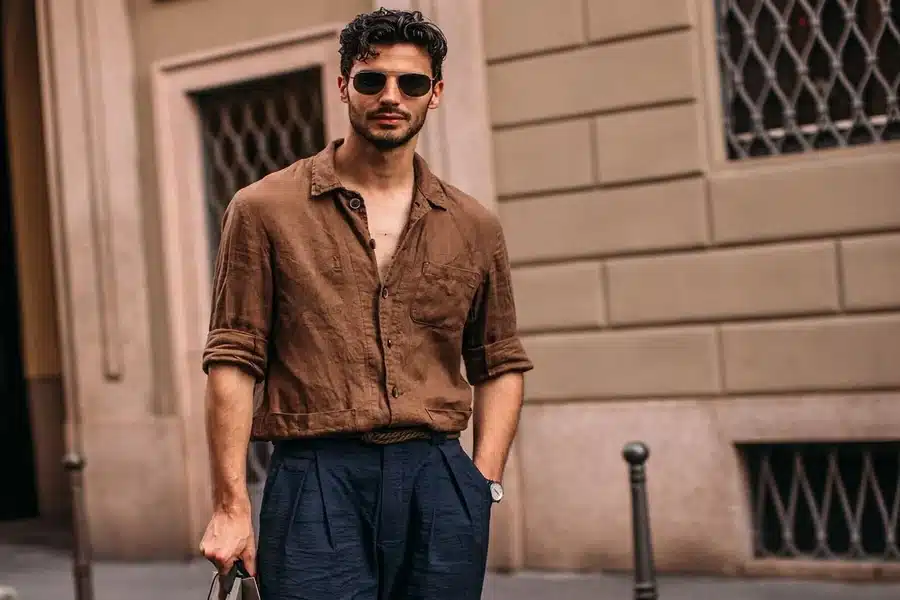
While Italy is famous for its luxury fashion houses, Italian fashion is also widely recognized for its everyday elegance. In Italy, especially in such cities as Milan and Rome, street style can be rather elegant and fashionable, but at the same time carefree. The Italians have perfected the ways of dressing in a non-fussy way without losing style. This capacity to appear stylish in the normal environment is an aspect of the fashion heritage of the country.
Such brands as Gucci, Ferragamo, and Bvlgari have a variety of products that appeal to various consumer prices, luxury goods and affordable accessories. Italian fashion is for everyone, not just the elite, and this inclusivity has allowed it to maintain its global appeal.
Final Thought
Italian fashion continues to evolve, blending traditional craftsmanship with modern innovation. Due to the challenges encountered by the industry like the sustainability issue and the digitalization of the fashion retail, Italian designers are on the frontline to develop new solutions. Whether through the use of eco-friendly materials or digital design platforms, Italian fashion is poised to remain a leading force in the global market for years to come.
FAQs
What makes Italian fashion unique?
Italian fashion is known for its impeccable tailoring, luxurious fabrics, bold colors, and attention to detail, which combine to create timeless, sophisticated pieces.
Which Italian designers are most influential?
Giorgio Armani, Gianni Versace, Valentino, Miuccia Prada, and Dolce & Gabbana are among the most influential Italian designers in the world.
Why is Milan considered the fashion capital of Italy?
Milan is home to top designers, luxury boutiques, and hosts Milan Fashion Week, making it the center of Italian fashion and a hub for global fashion trends.
How does Italian fashion influence global trends?
Italian fashion sets the standards for luxury, quality, and style, influencing trends in couture, street fashion, and high-end accessories worldwide.