

How to Choose A Pressure Washer Based on Cleaning Tasks and Surface Types
A pressure washer can transform hours of exhausting scrubbing into a fast and satisfying cleaning project. Yet not every machine is suited for every job. One of the biggest mistakes homeowners make is assuming that…
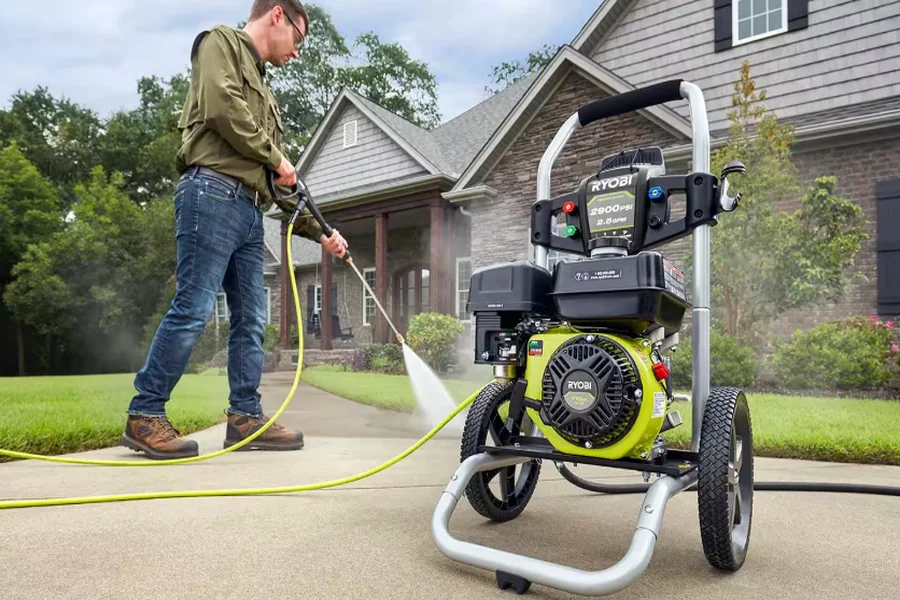
A pressure washer can transform hours of exhausting scrubbing into a fast and satisfying cleaning project. Yet not every machine is suited for every job. One of the biggest mistakes homeowners make is assuming that higher pressure automatically means better cleaning. In reality, using too much force on the wrong surface can cause expensive damage, while too little pressure leaves dirt, mold, and stains behind.
After more than a decade of working with residential outdoor equipment and helping property owners maintain everything from driveways to delicate wood decking, I’ve found that choosing the right machine begins with understanding what you’re cleaning—not simply comparing PSI numbers.
If you’re researching a new pressure washer, take the time to evaluate the surfaces around your property, the types of debris you encounter, and how frequently you’ll use the equipment. Making that assessment first often leads to better performance, longer equipment life, and safer cleaning results.
Why the Right Pressure Washer Depends on the Surface You’re Cleaning
Pressure washing isn’t a one-size-fits-all task. Concrete, brick, vinyl siding, painted wood, outdoor furniture, and vehicles all respond differently to water pressure.
A machine powerful enough to remove oil stains from a driveway may easily strip paint from a fence or damage soft wood fibers if used incorrectly. Matching water pressure, flow rate, and nozzle selection to the surface is what separates effective cleaning from costly repairs.
Professional contractors often begin every project by identifying the material before deciding how much cleaning power is appropriate.
Understanding PSI and GPM Before You Buy
Many shoppers focus exclusively on PSI (pounds per square inch), but experienced users know that GPM (gallons per minute) is equally important.
PSI Determines Cleaning Force
Higher PSI provides greater impact for removing stubborn buildup.
Typical ranges include:
- 1,300–2,000 PSI: Cars, patio furniture, bicycles, grills
- 2,000–2,800 PSI: Decks, fences, sidewalks, patios
- 2,800–3,500 PSI: Driveways, brick, retaining walls, heavy outdoor cleaning
GPM Controls Cleaning Efficiency
While PSI breaks dirt loose, GPM washes it away.
Higher water flow allows users to clean larger areas more quickly and often reduces the need to repeatedly pass over the same section.
The most efficient pressure washers balance both measurements rather than maximizing only one.
Match Your Pressure Washer to Common Household Cleaning Tasks
Instead of purchasing the most powerful machine available, consider your routine maintenance needs.
Light-Duty Cleaning
Ideal for:
- Patio furniture
- Outdoor cushions
- Window screens
- Garden tools
- Vehicles
Lower-pressure units provide excellent control while protecting delicate finishes.
Medium-Duty Cleaning
Suitable for:
- Composite decking
- Vinyl siding
- Stone walkways
- Backyard patios
- Fences
These projects require enough power to remove mildew and seasonal grime without damaging the underlying surface.
Heavy-Duty Cleaning
Best suited for:
- Concrete driveways
- Garage floors
- Brick walls
- Large retaining walls
- Oil-stained surfaces
These applications often demand both higher PSI and increased water flow for efficient cleaning.
Surface Types Matter More Than Most Buyers Expect
Not every material responds the same way to pressurized water.
Concrete and Masonry
These durable materials tolerate higher pressure levels and are excellent candidates for deep cleaning.
They often accumulate:
- Tire marks
- Dirt
- Moss
- Oil residue
- Algae
Wood Decking
Wood requires a more careful approach.
Excessive pressure can:
- Leave permanent streaks
- Raise wood fibers
- Remove protective finishes
- Shorten the deck’s lifespan
Lower pressure combined with the proper spray tip typically delivers better long-term results.
Vehicles and Painted Surfaces
Automotive paint and trim should always be cleaned using lower pressure settings with wider spray patterns.
Experienced detailers rely more on detergents and proper technique than raw pressure.
Electric vs. Gas Pressure Washers
One of the most common buying decisions involves choosing between electric and gas-powered equipment.
Electric Models
Advantages include:
- Quieter operation
- Minimal maintenance
- Instant startup
- Lower operating costs
- Excellent for routine residential cleaning
Gas Models
Better suited for:
- Large rural properties
- Frequent heavy-duty use
- Areas without convenient electrical access
- Commercial applications
For many homeowners, today’s electric pressure washers provide more than enough cleaning performance while requiring far less maintenance than gas-powered alternatives.
Choosing the Right Nozzle Makes a Bigger Difference Than Expected
Many cleaning issues result from using the wrong spray tip rather than inadequate machine performance.
General guidelines include:
- 0° nozzle: Extremely concentrated cleaning (use with caution)
- 15° nozzle: Heavy concrete cleaning
- 25° nozzle: General outdoor cleaning
- 40° nozzle: Delicate surfaces
- Soap nozzle: Applying cleaning solutions
Changing nozzles often produces better results than increasing pressure alone.
Common Pressure Washing Mistakes to Avoid
Even experienced homeowners occasionally overlook basic best practices.
Avoid these common mistakes:
- Holding the spray tip too close to the surface
- Using maximum pressure on painted materials
- Ignoring manufacturer recommendations
- Cleaning without testing a small area first
- Allowing detergent to dry before rinsing
- Forgetting to wear eye protection
Small adjustments in technique often improve cleaning quality more than additional machine power.
Practical Tips for Better Cleaning Results
A few professional habits can dramatically improve both efficiency and surface protection.
- Sweep away loose debris before washing.
- Work from top to bottom on vertical surfaces.
- Keep the spray wand moving to prevent streaking.
- Use overlapping passes for consistent coverage.
- Rinse thoroughly after applying detergents.
- Clean during cooler parts of the day to prevent rapid drying.
These simple practices reduce water usage while producing a more even finish.
Invest in the Right Machine, Not Just the Strongest One
The best pressure washer is the one that matches the cleaning tasks you’ll perform most often. Selecting equipment based solely on maximum PSI may lead to unnecessary expense or even damage to delicate materials.
By considering surface type, cleaning frequency, water flow, and proper nozzle selection, homeowners can achieve professional-looking results while protecting their investment. A thoughtfully chosen pressure washer becomes a versatile tool that simplifies routine maintenance and helps preserve the appearance and value of your property for years to come.
For additional guidance on safe cleaning practices and protecting outdoor surfaces, homeowners can explore resources from the Occupational Safety and Health Administration (OSHA) and the U.S. Environmental Protection Agency (EPA) , both of which provide practical information on equipment safety and environmentally responsible cleaning methods.
Frequently Asked Questions
What PSI is best for residential pressure washing?
Most homeowners find that 2,000 to 2,800 PSI is suitable for common outdoor cleaning tasks, while lighter jobs require much less pressure.
Can a pressure washer damage wood?
Yes. Excessive pressure or holding the nozzle too close can raise wood fibers, leave marks, and remove protective finishes.
Is an electric pressure washer powerful enough?
Modern electric models provide excellent performance for vehicles, patios, decks, siding, and most routine household cleaning projects.
Does a higher GPM improve cleaning?
Yes. A higher GPM helps rinse debris away more efficiently and often reduces total cleaning time.
Which nozzle should I use for general outdoor cleaning?
A 25-degree nozzle is typically the best choice for most residential surfaces because it balances cleaning power with surface protection.