

From Passive Viewing to Interactive Play: How Digital Entertainment Has Changed
For a long time, home entertainment mostly asked audiences to watch or listen. You could choose a television channel or put on a film, then settle in while someone else’s story unfolded. Participation rarely went…
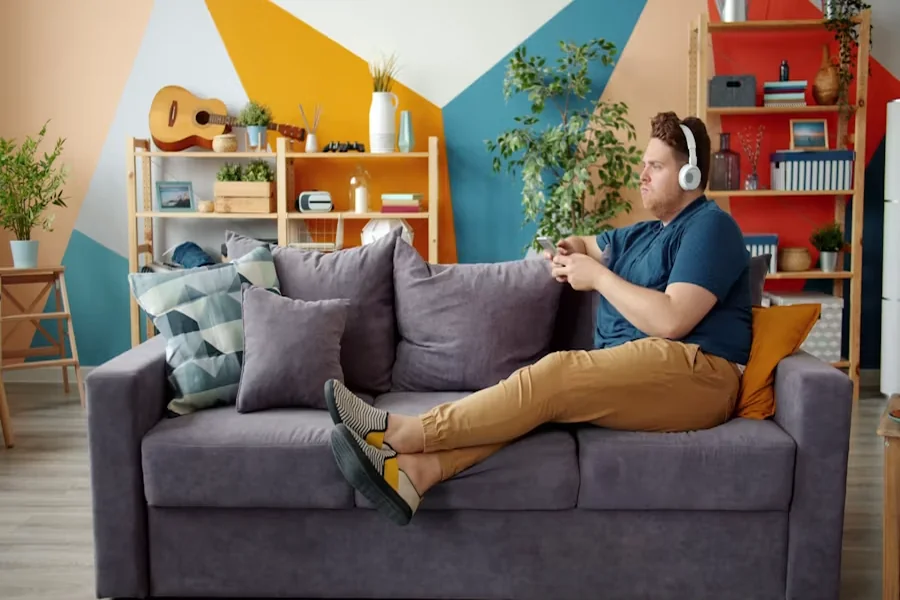
For a long time, home entertainment mostly asked audiences to watch or listen. You could choose a television channel or put on a film, then settle in while someone else’s story unfolded. Participation rarely went much further than deciding what to see next.
Digital technology has enhanced that relationship. Watching still has an important place and always will. Yet people can now take part in experiences that make them participants. They tap and explore. They make choices that produce an immediate response. Entertainment has gradually become something audiences can take part in as well as consume.
Audiences Once Had Fewer Ways to Participate
Traditional television placed a fairly clear line between the audience and what appeared on screen. Viewers could change the channel or turn the television off. Although once they settled on a program, their role was largely to follow the on-screen action.
Recorded media offered more freedom over timing. Someone could choose a movie or series installment and watch it when convenient. That was a meaningful improvement, yet the basic relationship remained familiar. The story had already been created, and the audience moved through it from beginning to end.
Computers began opening different possibilities. A screen could respond to input rather than simply display a finished piece of media. That ability seems ordinary today. At the time, it created space for entertainment built around participation rather than observation. The 1972 home arcade hit Pong made this tangible: players turned a dial to move a paddle and volley a dot back and forth, turning the television from something you watched into something you played.
The distinction matters because choosing what to watch isn’t quite the same as affecting what happens on screen. Digital technology gave audiences more opportunities to do the latter. Once that became familiar, the possibilities expanded quickly.
Interactive Entertainment Asks More From the Audience
Interaction can be remarkably simple. A person might tap an object and receive a response or choose between two possible directions. Other experiences ask for repeated decisions over a longer session. In either case, the audience has an active role in what happens next.
That involvement changes the rhythm. A film can continue while the viewer briefly looks elsewhere. An interactive experience may wait for a response before anything else happens. Attention becomes tied to action because the person on the other side of the screen has something to contribute.
The range of those experiences has grown considerably as digital distribution has expanded. Audiences can move from stories shaped by repeated choices to individual titles such as Mo Mummy Valley Of Riches through the same connected devices they already use for other entertainment. The subject matter may vary widely while the underlying expectation remains familiar: something on the screen is waiting for the user to respond.
This doesn’t mean interaction automatically makes an experience more engaging. Poorly designed choices can feel unnecessary or interrupt the natural pace. The interesting development is that creators now have participation available as another tool. They can decide when an audience should watch and when asking for input adds something worthwhile.
Smartphones Have Put Participation Within Easier Reach
Interactive entertainment once had a stronger association with dedicated equipment. Smartphones changed that by putting a responsive touchscreen into a device people already carry. The same screen used for messages or browsing can become an interactive entertainment space moments later.
Touchscreens also make participation feel direct. Instead of moving a pointer toward something on screen, users can touch the element itself. Swipes and taps have become familiar enough that many people understand basic interactions without needing lengthy instructions.
Portability changes the duration of the experience as well. Someone sitting at a desktop may expect to stay there for a while. A phone might come out during a train ride or while waiting for an appointment. Creators have had to think about experiences that remain engaging and understandable when attention arrives in smaller pieces.
That doesn’t mean everything has to become brief. Longer experiences still work on mobile devices. The difference is that people expect more flexibility around when they enter and leave. Saved progress and quick loading can make returning feel natural after a break.
Streaming Has Started to Become More Interactive
Streaming originally made familiar viewing more convenient. Audiences gained greater freedom over when they watched and often had large libraries available from one screen. The basic act of watching remained mostly unchanged. Press play and the program carried on.
Digital delivery has created room for experimentation around that familiar model. Some experiences allow viewers to make choices while a story unfolds. Others connect viewing with audience responses or additional material that can be explored alongside the main program.
Social media has added another layer. A person can watch a piece of entertainment, then immediately discuss it or respond to the people who created it. The boundary around the original piece becomes less defined because conversation can continue elsewhere on the same device.
These habits also affect what audiences expect from entertainment companies. People move easily between video and social spaces during the same period of free time. Recent media research reflects a trend towards this increasingly fragmented mix of streaming, social media and interactive experiences.
Better Technology Makes Interaction Feel More Natural
Interactive entertainment depends heavily on response time. When someone taps an option, they expect the screen to react quickly. A noticeable delay breaks the connection between the action and its result. Faster devices and stronger digital infrastructure have made those responses easier to deliver.
Interface design carries just as much weight. Users need to understand what can be selected and what will happen when they interact with it. If every screen requires explanation, participation begins to feel like work. Good design can make even fairly complex technology feel surprisingly ordinary.
Creators also have to consider the device in someone’s hands. A large monitor offers plenty of room for information. A phone doesn’t. Interactive elements need enough space to work comfortably while leaving the main experience visible. Those practical details shape how natural participation feels.
Technology is most convincing when people stop thinking about it. The audience presses something and the experience responds. There’s little reason to spend time pondering how the systems beneath elevate the interaction. That apparent simplicity has taken years of improvement in hardware and digital delivery to reach.
Entertainment Is Becoming Something People Take Part In
Passive entertainment isn’t disappearing. Sometimes people want to sit down and let the Silver Screen or a television series carry them somewhere without asking anything in return. Digital technology has simply placed many more participatory options alongside that familiar experience.
The larger change is one of expectation. Audiences now know a screen can respond to them and creators know they can build around that response when it enhances the experience. Watching and participating no longer occupy entirely separate corners of entertainment. Increasingly, people can choose how involved they want to be.