

What You’re Actually Risking When You Skip Temperature-Controlled Storage
The Pause Button Assumption Most people treat storage like a pause button. You put things in, life continues, and you come back and pick them up. The assumption underneath that is that pausing something also…
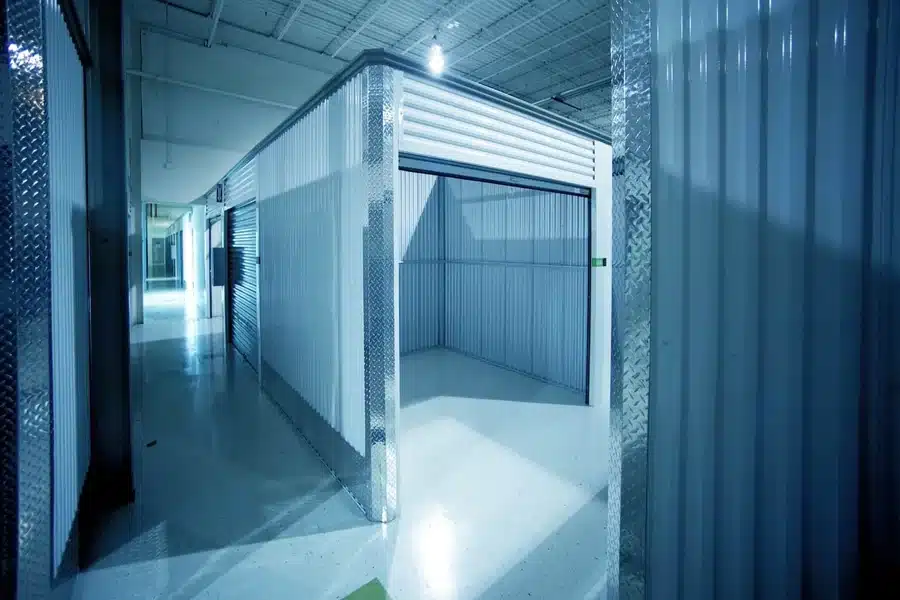
The Pause Button Assumption
Most people treat storage like a pause button. You put things in, life continues, and you come back and pick them up. The assumption underneath that is that pausing something also preserves it. That’s where the problem starts.
Utah’s weather doesn’t negotiate. Summer highs push past 100°F across the Salt Lake Valley, and winter temperatures drop well below freezing. A standard storage unit absorbs all of that. The air inside heats, cools, and cycles between extremes every season. Most belongings handle it. A few categories don’t, and those tend to be the ones that hurt to lose.
What’s Actually at Risk
Wood expands and contracts with temperature shifts. Electronics are sensitive to heat and condensation. Documents yellow and become brittle when humidity swings. Musical instruments go out of tune permanently. Antiques crack. The items at risk aren’t obscure. They’re things most people own, and they go into storage precisely because they have value. Using temperature-controlled storage removes that variable. The environment holds steady, and what’s inside doesn’t have to survive Utah’s seasonal extremes while sitting in a box.
The National Park Service’s guidance on controlled storage environments makes clear that even modest temperature and humidity fluctuations degrade materials over time, particularly organic materials like wood, paper, and fabric. That research applies to museum collections, but the physics don’t change because something belongs to a private individual rather than an institution.
Why People Consistently Get This Wrong
So why do people consistently underestimate this? Partly because the damage is slow. A warped drawer or a cracked veneer doesn’t announce itself on move-in day. It shows up weeks later, or months later, long after the connection to storage conditions has faded from memory. The unit felt fine. The facility seemed reasonable. The result still shows up eventually. It’s the kind of damage that gets attributed to age or bad luck rather than a preventable choice.
The self-storage industry has expanded steadily because more people are bridging gaps between homes, downsizing, or making room during renovations. According to U.S. Census Bureau data on the self-storage sector, demand held firm even through major economic disruptions, partly because people in transition need somewhere to put their things regardless of market conditions. That growth makes the quality gap between facilities more consequential, not less. More options means more variation, and more variation means more risk in choosing carelessly.
What the Right Standard Actually Looks Like
What good temperature-controlled storage actually provides isn’t just a dial set to a comfortable number. Its consistency is maintained over time, monitored continuously, and backed by systems that respond if something changes. That’s the standard worth asking about before signing anything. Not whether a facility has climate control, but whether it holds to a standard and can demonstrate it.
The pause button assumption is understandable. But storage isn’t neutral. Every day something sits in an uncontrolled environment; conditions are acting on it. The question isn’t whether that matters. It’s whether you find out before or after you open the box.