

Modern Trends in Gourmet Toppings: Caviar Leading the Way
The food industry has been a vibrant field since time immemorial with flavors, textures and presentation converging to produce a taste of life far beyond sustenance. Over the past few years, there has been a…
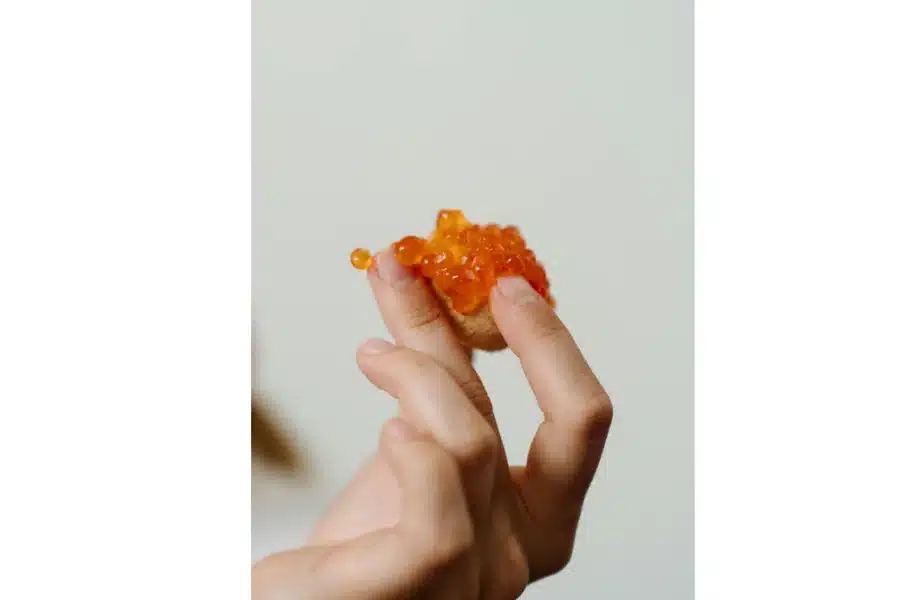
The food industry has been a vibrant field since time immemorial with flavors, textures and presentation converging to produce a taste of life far beyond sustenance. Over the past few years, there has been a significant trend both among chefs and food lovers: the promotion of gourmet toppings to the centre stage in food. First in this trend is caviar; a luxurious product whose status of exclusivity and refinement has found it as a symbol of culinary innovation in the modern world. This paper discusses the emergence of gourmet toppings, especially the way caviar is transforming the modern day food scene.
The Rise of Gourmet Toppings
Historically, the toppings used were viewed as add-ons to an already prepared dish, either a pizza, a salad, or a dessert. Nevertheless, the contemporary palate is becoming more sophisticated, new, and luxurious. Even today, toppings are not only praised because they help to increase the taste, but also because they are used to tell a story and to be beautiful. Toppings have evolved to include edible flowers and shaving of truffles, as well as gold leaf and exotic spices to become a platform that helps chefs to be creative and to entertain diners at various levels of sensations.
The increasing interest in luxury and rarity is one of the most important changes in this tendency. Given the increasing demand of consumers to have special dining experiences, ingredients that were only enjoyed by upper classes are increasingly becoming more available and popular. Caviar is one of these, and it has become a player with a very powerful force, as it will fill the divide between tradition and modernity.
Caviar: From Traditional Luxury to Modern Versatility
Caviar, the salted roe of sturgeon, has long been synonymous with sophistication. Historically associated with royalty and aristocracy, caviar was often reserved for formal occasions and high-end dining establishments. Its rich, briny flavor and delicate texture made it a coveted delicacy, but also limited its use to a narrow segment of the culinary market.
In the modern culinary scene, however, caviar has undergone a transformation. Chefs and home cooks alike are experimenting with its versatility, moving beyond traditional pairings like blinis or crème fraîche to incorporate it into innovative dishes. Contemporary gastronomy has embraced caviar as a topping for everything from gourmet burgers and sushi to pasta and even decadent desserts. Its ability to enhance flavors while providing a visually striking element has solidified its role as a leading gourmet topping.
Pairing Caviar with Modern Cuisine
This is one of the reasons why caviar continues to dominate the gourmet trends because it goes well with a large variety of foods. Chefs in fine dining tend to contrast caviar with other soft balancing flavors by reducing its salinity through a complementary flavor. As an illustration, it goes perfectly well with creamy textures such as avocado mousse or whipped butter, in which its salty flavors slice through the richness and provide contrast and depth. On the same note, the caviar will be able to enhance fresh seafood, giving it a fine touch of flavor that neither overwhelms the natural taste of the fish.
The increase in fusions has also increased the uses of caviar. In modern kitchens, chefs get creative and use their traditional caviar with something unusual: sprinkled on top of truffle fries, a garnish with savory custards or even in modernist cocktails. This fun aspect does not only expand the market of caviar but it also signifies a bigger trend in luxury toppings: The combination of luxury and affordability and creativity.
Sustainability and Ethical Sourcing
Modern consumers are increasingly mindful of sustainability, and the caviar industry has responded accordingly. Traditionally, caviar production relied heavily on wild sturgeon populations, raising concerns about environmental impact and species depletion. Today, sustainable aquaculture practices have become more prevalent, allowing for ethically sourced caviar without compromising quality. Farmed caviar, when carefully managed, maintains the same luxurious taste and texture as wild caviar, making it a more environmentally responsible choice. This shift aligns with broader trends in gourmet cuisine, where ethical sourcing and transparency are as important as flavor.
Visual Impact: Caviar as a Culinary Statement
In addition to flavor, caviar’s visual appeal plays a crucial role in its popularity as a topping. The tiny, glistening pearls evoke a sense of opulence and refinement, transforming ordinary dishes into striking culinary presentations. Modern plating techniques emphasize this visual impact, often placing caviar as the centerpiece atop minimalist arrangements, where contrast in color, texture, and height enhances the overall aesthetic. Social media platforms, particularly those focused on food photography, have amplified this trend, turning visually stunning caviar dishes into highly shareable content and further driving its status as a modern gourmet icon.
The Democratization of Luxury
Interestingly, the trend toward gourmet toppings like caviar is not solely confined to high-end restaurants. As global distribution networks improve and farmed caviar becomes more accessible, a wider audience can experiment with this luxurious ingredient at home. How much is caviar? Specialty food stores, online marketplaces, and subscription services now offer caviar in smaller, more affordable portions, enabling home chefs to explore sophisticated flavor profiles without the intimidating price tag of traditional luxury servings. This democratization has helped cement caviar as a staple in modern gourmet kitchens rather than an exclusive indulgence.
Other Emerging Gourmet Toppings
While caviar leads the charge, it is part of a broader movement that celebrates unique, high-quality toppings. Truffles, microgreens, smoked salts, and edible gold flakes are increasingly prominent, reflecting consumers’ desire for novelty and personalization. These toppings share common characteristics with caviar: rarity, a strong visual appeal, and the ability to elevate flavor complexity. Together, they signal a shift in dining culture, where toppings are no longer secondary elements but central components that define the culinary experience.
Conclusion
The development of gourmet toppings proves that people started changing their attitude to the food in general and the flavor, the appearance, and the morality are inseparable that leads to making the dishes more memorable than the tasting. Caviar is one of the most common toppings and it is also diverse in that it can be paired with luxury and visual additions. Crossing the conventional lines and becoming a part of the new cuisines, it is a great example of the contemporary tendency to transform toppings into accents and make them the central point of the culinary.
With the chefs and food lovers constantly pushing the boundaries of taste and presentation, the role of caviar will certainly expand, making people think of new ways to pair it and redefine the idea of having a luxurious meal. In the world of the minutest elements, where even a meal can turn to be something different in a moment, the glittering pearls of the caviar are not only the finishing touch, but also the remark of the modern gastronomy itself.