

How CBD Merchants Can Use Checkout Technology to Build Customer Trust
Why does a shopper who fills a cart on a CBD site stop at the payment screen and leave? They already chose the product. The hesitation comes at the moment they have to hand over…
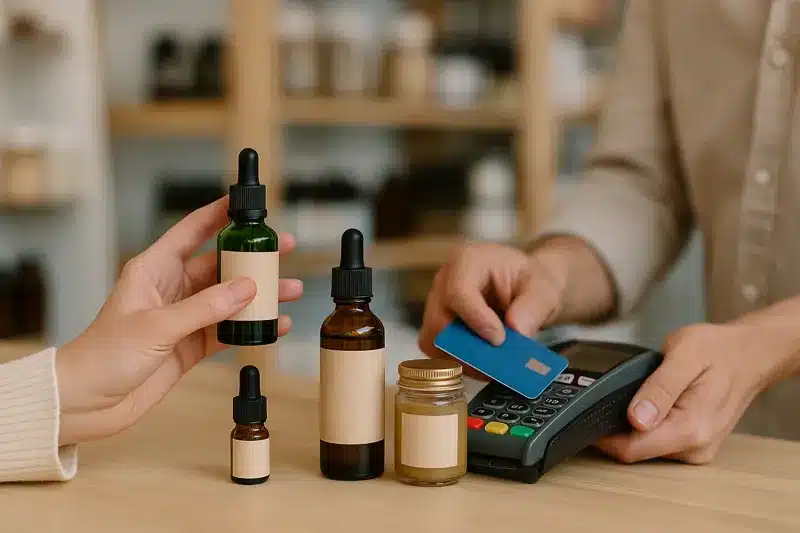
Why does a shopper who fills a cart on a CBD site stop at the payment screen and leave? They already chose the product. The hesitation comes at the moment they have to hand over a card number, and for a Wellness Products store, that moment raises more doubt than it does for an ordinary retailer. A quarter of abandoned carts trace to worries about payment security, and CBD sellers inherit an extra share of that suspicion.
The reason is reputation. Health sits next to a wave of fly-by-night shops, exaggerated health claims, and products that never arrive, so a first-time buyer reaches checkout already primed to expect a scam. The checkout is where that doubt is settled in the store’s favor or confirmed against it. The technology behind it is the tool a Wellness Products merchant uses to settle it the right way.
The Trust Gap at a CBD Checkout
A Wellness Products buyer brings doubts an electronics shopper does not. The category has been associated with mislabeled products and stores that vanish after taking an order, and that history follows every new seller to the payment page. The buyer is weighing two questions at once: is the product good, and is the site real enough to trust with a card.
This gap is the CBD merchant’s to close. A polished storefront helps, but the decision happens at checkout, where the buyer commits real money. A checkout that looks improvised, or asks for the card on an unfamiliar third-party page, confirms the fear. One that feels secure and familiar removes it.
Trust Signals at the Point of Sale
The signals that reassure a buyer have changed. A generic security badge in the footer does little now, because the badges became so common that shoppers stopped reading them. What works is specific and placed where the doubt occurs. Recognized card logos, a named payment method, and a visible note about encryption next to the card field matter more than any badge floating at the bottom of the page.
Placement counts as much as content. The reassurance has to appear at the card field, the exact point where the buyer hesitates, not on a separate security page no one visits. A Health store that moves its trust signals next to the payment input answers the doubt at the moment it forms.
Building the Payment Step Around Trust
The checkout itself is the largest signal. When a Wellness Products store routes its cbd payment through a processor that keeps the buyer on the store’s own branded page, the transaction feels like part of the shop rather than a handoff to a stranger. A redirect to an unfamiliar domain does the opposite, breaking the continuity that tells a buyer they are still dealing with the same business.
A processor built for the category also keeps the checkout fast and reliable, so a card is not declined for reasons the buyer cannot see. Every failed or confusing payment looks like a warning sign, and a smooth one looks like a legitimate store.
Recognized Payment Methods
Payment methods are familiar and trustworthy by themselves. If a Wellness Products has Apple Pay, then a buyer will assume that it’s a trusted payment system for the merchant. The same method also defends the customer, as the real number is never used in the store because the one-time token is used instead of it.
Providing more than one recognized option will broaden the trust. A customer who is accustomed to paying with Google Wallet or one of the big card brands, is finding the same thing at another place, which is a good sign that it’s not some crazy outlier, but rather a legit store that you can trust. The well-known logo will make the customer feel more at ease without the store having to justify its presence.
Read more: Why Timeless Design Is Making a Comeback in Modern Luxury Markets
A Secure and Transparent Checkout
The security behind a trust signal must be genuine for it to function. To ensure card data is encrypted when travelling to the site, the site must use the HTTPS protocol, and guides are provided on how to do so to securely shop online tell buyers to look for exactly that before entering a number. If a Wellness Products store doesn’t have the lock icon, it gives the wary buyer the reason they need to back out.
The other half, transparency. The vast majority of abandoned carts perish because of last-minute surprise charges, and last-minute charges are the #1 motivating factor to walk. If a store displays shipping, tax and the total amount before the payment screen then it maintains the trust that it developed throughout the process because at the payment screen there is no discrepancy between what the customer was shown and what he or she expects. It’s the same thing as a refund policy, except that it’s visible and next to the pay button.
The Buyer’s Real Fear
Underneath the hesitation is a specific fear. The buyer has read about online shopping security threats like fake storefronts that take a card and deliver nothing, and a Wellness Products site that looks thrown together fits the pattern they were warned about. The checkout is where a real store separates itself from a fake one.
Meeting that fear is mostly about looking like what a buyer already trusts. A branded, secure checkout with recognized payment options and honest pricing matches the picture of a legitimate retailer in the buyer’s mind, and a Wellness Products store that builds its checkout to fit that picture stops losing the sale at the last step.
The Cost of a Distrusted Checkout
That’s the math itself that makes the case. One-quarter of shoppers who left a cart do so due to payment-security concerns – and with Wellness Products it’s even more that can be attributed to a lack of trust. All those buyers selected the product and then strolled at the display created to get their money. A checkout designed for trust, with a branded secure page, recognized payment methods, honest totals, and an encrypted connection, converts a measurable portion of those lost sales back into orders. For a CBD merchant on thin margins and under heavy scrutiny, that abandoned quarter is the starkest number in the business, and the checkout is the one place to win it back.