

Everything You Need To Know About Sitting Diseases
Everything Need: [[ZAPIMG0]] You probably spend more time sitting than you think. With work, commuting, eating, and staring at screens, it's…

You probably spend more time sitting than you think.
With work, commuting, eating, and staring at screens, it’s hard to avoid sitting for 8 or more hours a day. Although sitting might not seem harmful, extended periods of sitting can harm your health in ways you may not realize until symptoms begin to build.
You might already experience some of the early warning signs. In fact, people who spend most of their day sitting often complain of low back pain, stiff hips, poor posture, low energy, and stiffness.
While it is a common misconception that exercising every day prevents these effects, the situation is more nuanced.
At first glance, sitting diseases feel harmless. However, exercise alone may not be enough, and too much sitting could be bad for you — here’s how.
What Does Sitting Disease Mean?
Sitting disease is not an official medical diagnosis. Instead, it refers to a collection of health problems linked to excessive sitting and prolonged physical inactivity.
The term “sitting disease” has been gaining attention because the modern lifestyle promotes so much sitting that it is more common than ever.
After all, your body is designed to move throughout the day. Sitting for extended periods decreases muscle activity, slows circulation, and reduces calorie expenditure. While these changes can appear relatively harmless at first, they can gradually take a toll on many systems within your body.
Why Exercise Cannot Offset Sitting?
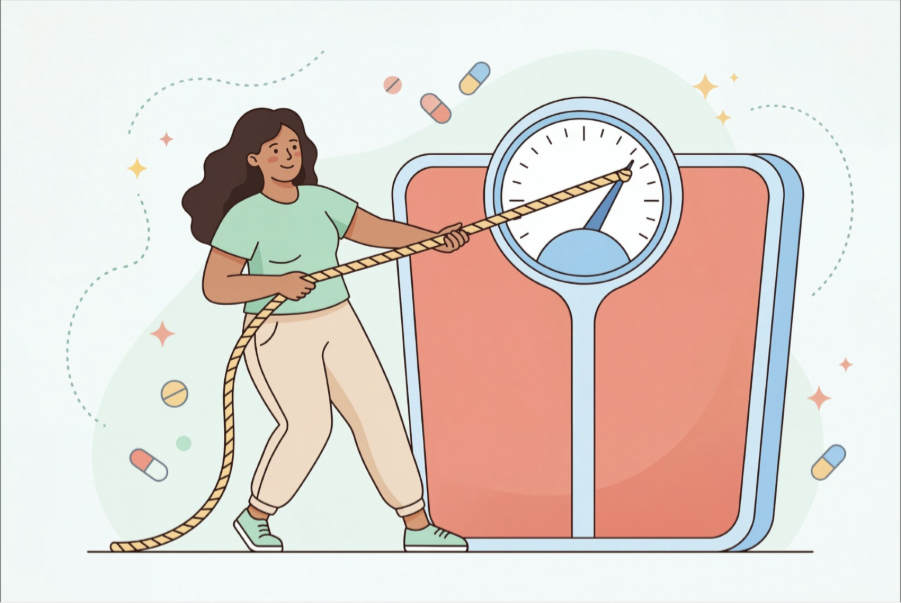
You might think that a run or a gym class in the morning offsets the sitting that you do during the day. While exercising is still one of the best things you can do for your health, recent studies indicate that exercise does not fully prevent or reverse the health effects of sitting for long periods.
During extended sitting episodes, your muscles are in a fairly relaxed state. As a result, having less activity in your muscles can impact how your body processes fats, regulates blood sugar, and manages blood flow. These changes occur during the hours you spend sitting, regardless of whether you completed a workout earlier in the day.
That does not mean exercise is ineffective. After all, exercise provides tremendous benefits for your heart, muscles, bones, and mental health. However, the best strategy is to combine a structured exercise regimen with lots of activity during the day. In fact, reducing prolonged sitting time, standing up regularly, and walking short distances seem to be just as important for your overall health.
Symptoms You Should Notice
Sitting diseases often develop gradually. Because the effects build over time, you may not immediately connect your symptoms to the amount of sitting you do each day.
Many warning signs are easy to dismiss until they become persistent.
Physical discomfort is often the first clue. You may experience tight hip flexors, lower back pain, neck stiffness, shoulder tension, or poor posture. Sitting places certain muscles in shortened positions for extended periods, which can affect mobility and movement quality.
You may also notice lower energy levels and reduced focus. Long periods of inactivity can contribute to sluggishness during the day. Long periods of inactivity can contribute to feelings of sluggishness and physical discomfort. When movement becomes limited, your body may not function as efficiently as it should, which can affect your overall sense of well-being.
Health Problems You May Face
Prolonged sitting affects far more than your muscles and joints.
Your cardiovascular system can also suffer when movement becomes limited. Reduced circulation and decreased muscle activity may contribute to higher blood pressure, unhealthy cholesterol levels, and an increased risk of heart disease over time.
Your metabolic health is another concern. When large muscle groups remain inactive for extended periods, your body becomes less efficient at managing blood sugar. Additionally, there is a relationship between sedentary behavior and adverse metabolic health outcomes, including increased risk factors associated with type 2 diabetes.
Weight gain is another common consequence of excessive sitting.
Your body burns fewer calories when you remain inactive for long periods. Combined with poor dietary habits and limited daily movement, prolonged sitting can make maintaining a healthy weight much more difficult.
Over time, excess body weight may increase the risk of additional chronic conditions.
Habits That Protect Long-Term Health
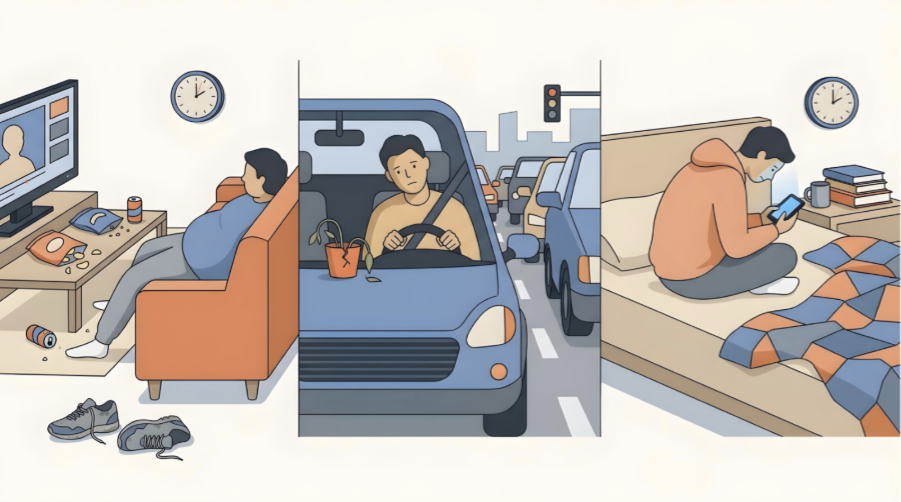
The good news is that reducing sedentary behavior does not require drastic changes. Small, consistent actions can help counter many of the risks associated with sitting disease.
The goal is not simply to exercise more. The goal is to sit less and move more throughout the day.
One effective strategy is to break up sitting time every 30 to 60 minutes. You can stand during phone calls, walk to refill your water bottle, stretch between tasks, or take a short walk around your workspace. These brief movement breaks help activate muscles and support healthy circulation.
You can also build movement into existing routines.
Walk after meals, choose stairs when possible, park farther from entrances, or stand during virtual meetings. These habits may seem small, but they can significantly reduce your total sedentary time.
When movement becomes a regular part of your day rather than a separate activity, maintaining long-term health becomes much easier.
Conclusion
Sitting disease refers to the collection of health risks linked to prolonged sitting and sedentary behavior.
While regular exercise remains essential, research shows that exercise alone cannot completely offset the negative effects of spending most of your day seated. Your daily movement patterns matter just as much as your workout routine.
If you want to protect your long-term health, focus on reducing uninterrupted sitting time.
Stand up regularly, take short walking breaks, and look for opportunities to move throughout the day.
Small changes repeated consistently can help improve circulation, support metabolic health, and reduce many of the risks associated with prolonged sitting.