

Liposuction in Albania: What Patients Need to Know Before They Travel
For anyone who has spent years battling a specific area of stubborn fat — the lower abdomen that stays soft regardless of how clean the diet is, the inner thighs that resist every effort at…
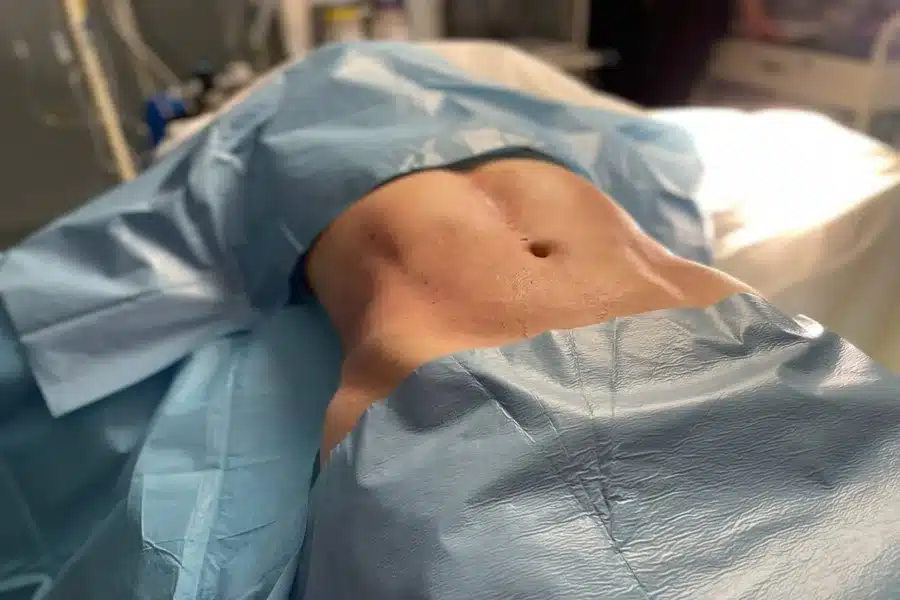
For anyone who has spent years battling a specific area of stubborn fat — the lower abdomen that stays soft regardless of how clean the diet is, the inner thighs that resist every effort at the gym, the flanks that appear in every photograph — liposuction offers something that lifestyle changes simply cannot: the permanent removal of fat cells from a targeted location.
It is one of the most commonly performed cosmetic procedures in the world for good reason. The results, when achieved by a skilled surgeon in the right clinical setting, are dramatic, lasting, and highly predictable. The question, for most patients in Western Europe, comes down to cost. And increasingly, that question leads them to Albania.
What Liposuction Actually Does
Before discussing the destination, it is worth being precise about what liposuction is and is not. It is a body contouring procedure, not a weight loss method. The best candidates are at or near their ideal weight but have localized fat deposits — love handles, bra rolls, a double chin, inner knee pads, upper arms — that stubbornly resist reduction despite a healthy lifestyle.
During the procedure, small incisions allow thin tubes called cannulas to be inserted into the treatment area. These cannulas break up and suction out fat cells permanently. Unlike dieting, which shrinks existing fat cells but leaves them in place ready to expand again, liposuction removes those cells entirely. The results in treated areas are permanent as long as weight remains stable — the biology simply does not allow new fat cells to regenerate in the same location.
The Range of Techniques Available
One of the strengths of established liposuction centres in Albania is access to the full range of modern techniques, each suited to different patient profiles and treatment goals.
- Traditional (tumescent) liposuction — the foundational technique, effective for all body areas and high-volume fat removal, using fluid injection to minimize bleeding and discomfort before manual extraction.
- VASER liposuction — ultrasound energy liquefies fat before removal, reducing trauma to surrounding tissue, enabling more precise sculpting, and delivering faster recovery. Particularly effective for fibrous areas and high-definition contouring.
- Laser-assisted liposuction — laser energy melts fat and simultaneously stimulates collagen production, offering modest skin tightening alongside fat removal. Best suited to smaller treatment zones and patients with mild skin laxity.
- Power-assisted liposuction (PAL) — a vibrating cannula enhances precision and efficiency, especially useful in larger areas and revision cases.
- Water-assisted liposuction — pressurized fluid loosens fat gently before removal, minimizing tissue trauma and making this technique well suited for fat harvesting when transfer is planned.
The appropriate technique depends on the individual patient — their body type, the treatment areas, skin elasticity, and aesthetic goals. This is assessed during consultation, and the surgical plan is built around what is genuinely best for that specific case.
Cost in Albania vs. Western Europe
The financial case for travelling to Albania for liposuction is substantial. In the UK, a single area of liposuction typically costs £3,000 to £7,000. In Germany or Switzerland, figures of €3,500 to €10,000 per area are common. In Albania, the same procedure — performed by a European-board-certified surgeon in a TEMOS-accredited hospital — starts from approximately €1,200 for a single small area, rising to €1,800 to €2,200 for larger areas such as the full abdomen or back.
VASER liposuction commands a premium of €500 to €800 per area, and high-definition sculpting starts from €3,500 — still dramatically below Western European equivalents. Multi-area packages offer additional savings. Including return flights from most European cities and a recommended stay of five to seven days for recovery, total costs remain substantially lower than home-country surgery for the vast majority of patients.
The Clinical Setting Matters
Liposuction is a surgical procedure. It requires general anaesthesia or sedation, a sterile operating environment, experienced anaesthesia support, and post-operative monitoring. These requirements cannot be met adequately in a converted clinic or a day-spa environment — yet some facilities in medical tourism markets operate in exactly those conditions.
The distinction Albania’s leading surgical hospital draws is explicit: procedures take place within a purpose-built full hospital — not a standalone clinic. This means access to modern operating theatres, experienced anaesthesia teams, ICU backup if ever needed, and comprehensive post-operative nursing care. It is the clinical foundation that turns a technically skilled surgeon into a genuinely safe one.
Recovery: What to Realistically Expect
Recovery from liposuction is manageable and relatively straightforward compared to procedures involving skin excision. Most patients describe the first few days as similar to the soreness of an intense workout — uncomfortable but not severe, and well managed with oral medication. Compression garments are worn continuously for the first four to six weeks, supporting the healing tissues and helping the skin contract smoothly over the new contours.
Most patients return to desk-based work within one to two weeks. Light exercise is possible after two weeks; full activity resumes by weeks four to six. Swelling is the dominant feature of the first several weeks — initial improvement is visible within two to three weeks, but final results emerge gradually over three to six months as residual swelling resolves and tissues settle.
A five-to-seven-day stay in Albania is typically recommended for international patients, allowing for the procedure, initial recovery monitoring, and a follow-up check before departure. Remote follow-up support continues after the patient returns home.
Choosing the Right Surgeon
The single most important factor in any liposuction outcome is surgical skill. The procedure looks deceptively simple but demands genuine expertise: an understanding of three-dimensional body anatomy, the judgment to achieve smooth natural contours from all angles, the discipline to remove the right amount of fat rather than the maximum amount, and the artistic sensibility to create results that look like the patient’s best natural self rather than like surgery.
These are skills that develop through years of dedicated practice and high case volumes. When evaluating any facility, the combination of verifiable surgeon credentials, board certification by European plastic surgery bodies, and a substantial portfolio of documented results is what separates reliable providers from risky ones. For those ready to explore their options, liposuction in Albania at Hygeia Hospital represents a benchmark worth examining — European-trained surgeons, TEMOS hospital accreditation, transparent pricing, and a track record built on thousands of international patients treated annually.