

Life Goes On TV Show – A Groundbreaking Show on Family and Disability
Life Goes On TV show was a groundbreaking series that captured the hearts of viewers when it first aired in 1989. Thatcher family and their experience with Corky, a young man with Down syndrome became…
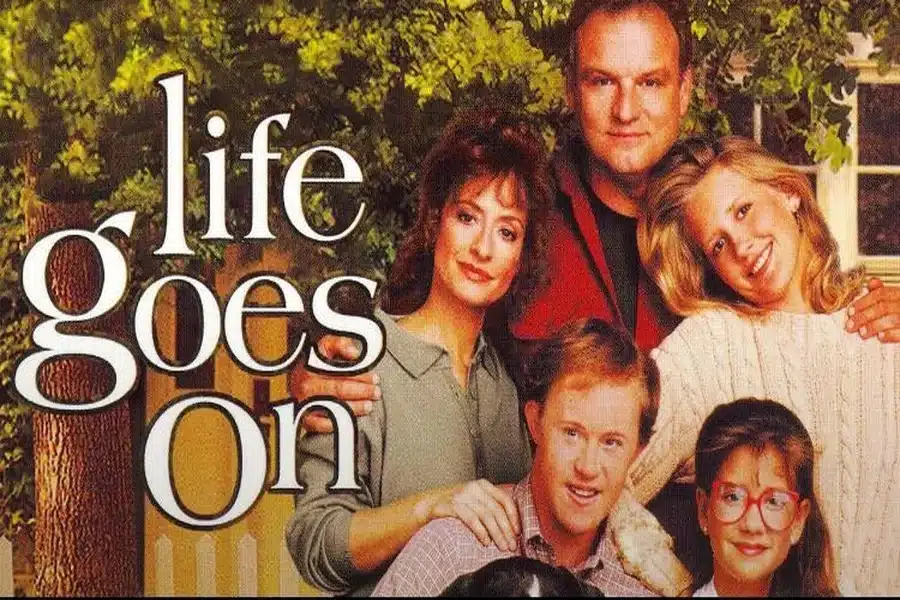
Life Goes On TV show was a groundbreaking series that captured the hearts of viewers when it first aired in 1989. Thatcher family and their experience with Corky, a young man with Down syndrome became the main character of the series. This was a landmark step in television then as it is one of the first prime-time programs ever to include a character with Down syndrome. The story of Corky Thatcher, who is played by Chris Burke, was not only breaking the stereotypes, but also dealing with rather significant social issues concerning disability, family and inclusion.
Life Goes On TV show was celebrated for its sensitive approach to these topics and its focus on the everyday struggles and triumphs of an ordinary family. This article will delve into the themes, characters, cultural impact, and lasting legacy of Life Goes On TV show, highlighting its groundbreaking portrayal of disability and family dynamics.
Life Goes On TV Show Overview and Characters
Life Goes On TV show is a drama that focuses on the Thatcher family, whose lives are changed as they raise Corky, a young man with Down syndrome. The show had a massive effect since it did not portray Corky as a secondary character or a person who is characterized by his disability but an individual whose personality has its own hopes, dreams and struggles like any other person. The show had given the audience an opportunity to view him as a son, brother and a young man struggling to make his own way in life and contribute to his family and the society.
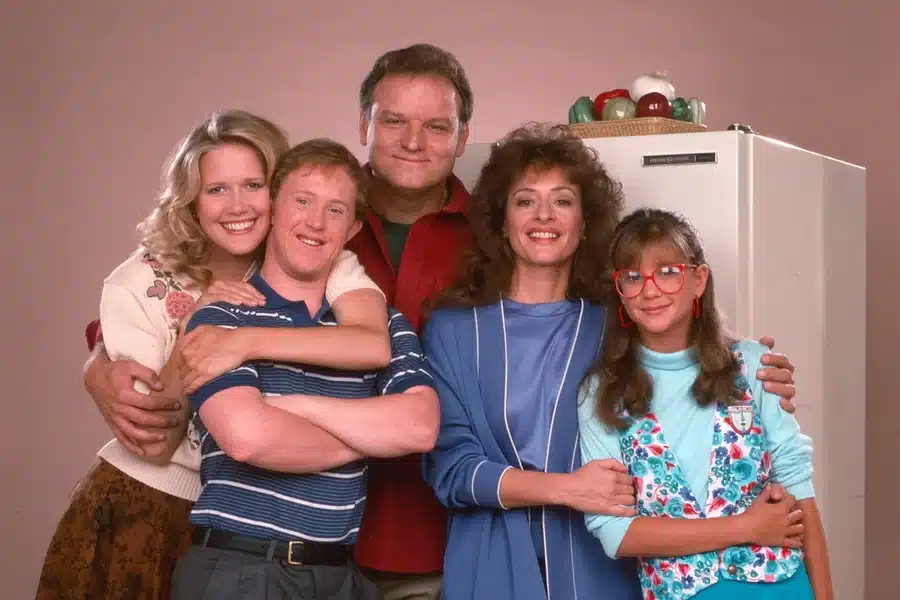
The Thatcher family dynamic was central to Life Goes On TV show, as each character had their own challenges and story arcs. Becca, a sister of Corky, whose role was performed by Kellie Martin, was a girl getting through the good times and bad times of adolescence. Drew and Kate, the parents of Corky, also formed the family and had to find a balance to raise a child with special needs and manage the requirements of their lives. Life Goes On TV show presented a nuanced view of family, where love and support were often tested but always at the core of the family’s strength.
Life Goes On TV Show and Representation of Disability
One of the most significant aspects of Life Goes On TV show was its portrayal of disability. When it was released, there was hardly a time that people with a disability appeared in lead roles on television, and when they did, they were mostly portrayed in a stereotyped or limited manner. The character of Corky was, however, a full-fledged person with a personality of his own and a variety of experiences. He was not only characterized by his disability but his relations, dreams and developments.
The fact that Corky, an actor with Down syndrome and played by Chris Burke, is included was revolutionary. It was a true depiction of the life of an otherwise disabled individual who was not only tolerated but also loved and supported by his family. The representation of people with disabilities and the significance of such representation in the show was proved by the way Corky was portrayed throughout his journey.
Life Goes On TV show also tackled issues related to accessibility, independence, and societal challenges for people with disabilities. The fact that the show depicted that Corky wanted to live and work on his own, find relationships, and live independently provided a new understanding of the potential of people with special needs, which made a good argument in favor of their inclusion and respect in society.
Tackling Real-Life Issues on Life Goes On TV Show
Life Goes On TV show was not just about Corky’s journey but about real-world issues that families face. The series addressed numerous heavy issues, such as family feud, teen pregnancy, drug addiction, mental health issues, and the burden of a disability. These are themed areas that were reported with sensitivity and care and thus the show is quite relatable to a wide audience.
Becca, the sister of Corky, had her share of trips as a teenage girl, the troubles of school, love affairs, and maturity. Life Goes On TV show showed that while Corky had special needs, the issues his family faced were not isolated to him alone. The show addressed how the members of the family responded to personal growth; and how their experiences affected their relationship between themselves.
The fact that the show was ready to discuss such issues as prejudice and acceptance in society contributed to its contrast with all other shows of that period. Life Goes On TV show gave a voice to those who were often overlooked and created a space for important conversations about inclusion, empathy, and understanding.
Life Goes On TV Show’s Cultural Impact and Legacy
Life Goes On TV show had a significant cultural impact, especially when it comes to the portrayal of disability on television. The character of Corky initiated discussions regarding the result of representation in the media, and that the disabled must not be buried underground. Corky was the person that gave hope and strength to a lot of viewers and demonstrated that disabled people can live good lives and be useful to their families and society.
The fact that the show depicted a family that struggled with disability also contributed to changing the attitude of people towards the meaning of raising a child with special needs. Life Goes On TV show demonstrated the complexity of these situations, showing both the joys and challenges that families face. It made a lot of viewers reconsider the needs and experiences of the people living with disabilities, and it taught those who love, accept, and support.
This show was terminated in 1993, but its effects are still reverberating. Life Goes On TV show is remembered fondly for its authenticity, heart, and groundbreaking approach to disability and family life. It contributed to the more inclusive representation in television, and it is a significant milestone in the history of television.
Life Goes On TV Show and Its Emotional Appeal
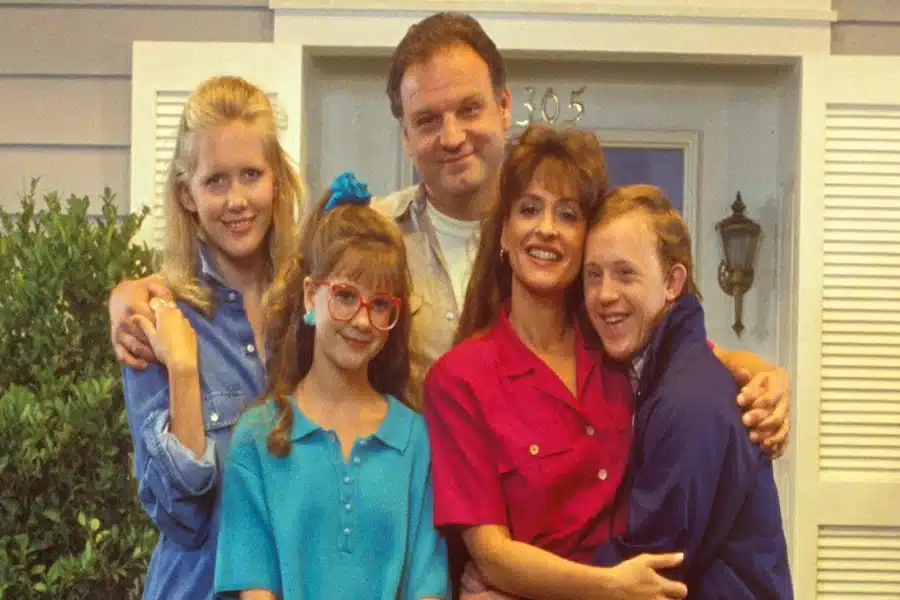
At its core, Life Goes On TV show was about the emotional journey of a family. The program embraced the daily events that made life special and the emotional issues that accompany them. It touched upon the subjects of love, loss, growth, and resilience and demonstrated how a family could unite to overcome a hard time.
Life Goes On TV shows also used humor and warmth to balance the more serious topics it addressed. It did not lose sight of the truth that life is not only full of struggles but also of joy and connection. Despite the challenges he had, Corky made the show light and jovial, and positive. The key message to the audiences that could be conveyed by his capacity to achieve happiness and overcome the twists and turns of life.
The emotional depth of the show, combined with its genuine portrayal of family life, helped make Life Goes On TV show one of the most memorable series of its time.
Final Thought
Life Goes On TV show was a revolutionary series that not only entertained but also educated and inspired its audience. The show brought up such critical social problems as disability, inclusion and personal development by showcasing the life of Corky Thatcher and his family. The way it has made Corky, the young man with Down syndrome, a full-fledged character contributed to changing the mindset and making inclusion more acceptable on TV.
Life Goes On TV show will always be remembered for its groundbreaking approach, emotional depth, and its ability to spark conversations about empathy, acceptance, and understanding.
FAQs
What was the Life Goes On TV show about?
Life Goes On TV show was about the Thatcher family, particularly Corky, a young man with Down syndrome, and their journey as they navigate the challenges of life, love, and family dynamics.
Why is Corky’s character so important in TV history?
Corky was one of the first characters with Down syndrome to be portrayed in a leading role on a prime-time show. His character broke stereotypes and provided a realistic, relatable portrayal of individuals with disabilities.
What kind of social issues did Life Goes On address?
The show addressed a wide range of issues, including disability, teenage pregnancy, substance abuse, mental health, and prejudice, all while focusing on family dynamics and relationships.
What impact did Life Goes On TV show have on viewers?
The show had a lasting cultural impact by raising awareness about disability, inclusion, and the struggles of families dealing with special needs. It inspired greater empathy and understanding among viewers.
Why is Life Goes On TV show considered groundbreaking?
Life Goes On TV show was groundbreaking for its portrayal of a character with Down syndrome, its honest depiction of family life, and its tackling of sensitive social issues with empathy and care.