

Dog Training Gear That Works
Walk into any pet store (or scroll online for five minutes) and you’ll see it—rows and rows of dog training gear. Gadgets, tools, things that promise faster results, better behavior, a calmer dog in like……
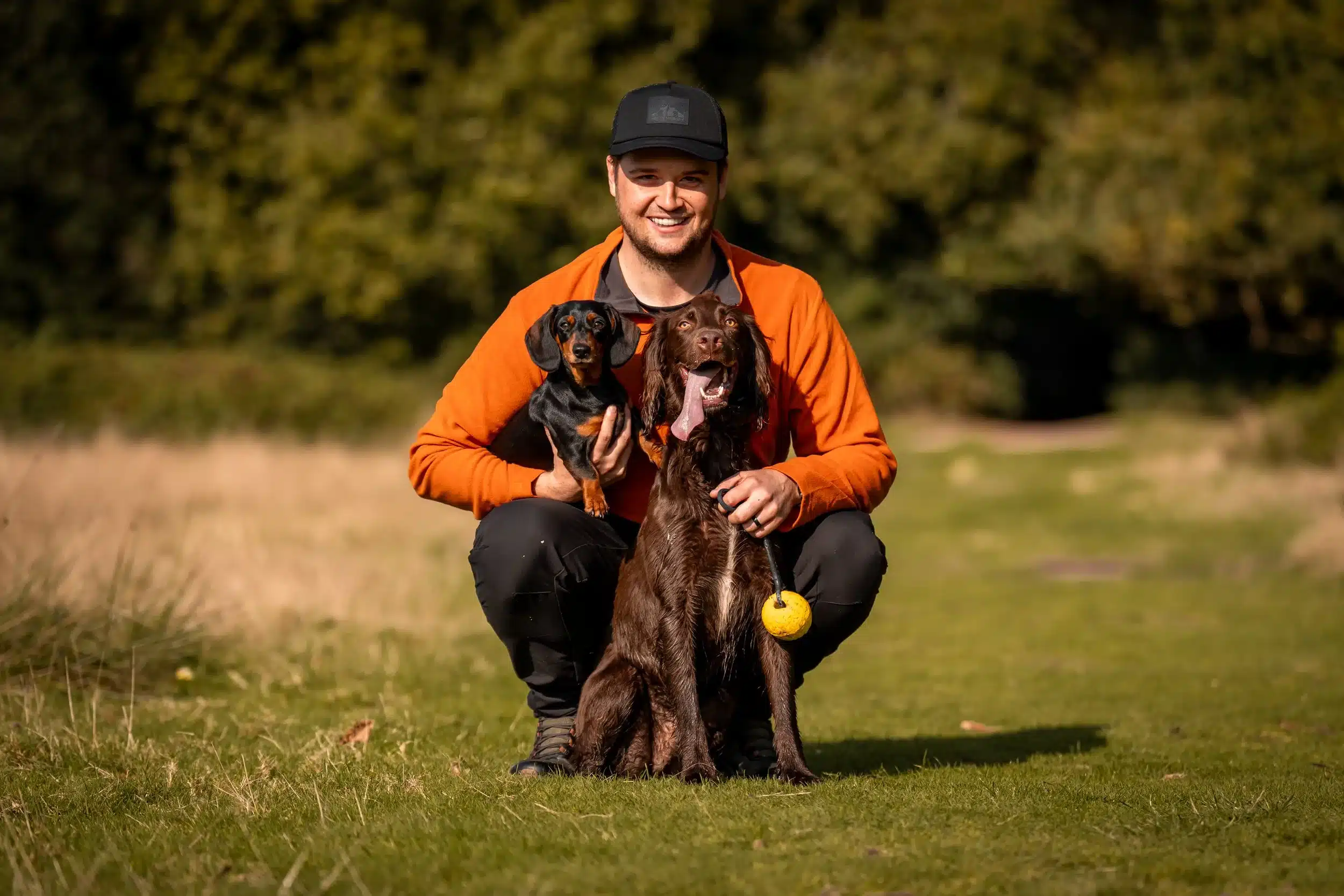
Walk into any pet store (or scroll online for five minutes) and you’ll see it—rows and rows of dog training gear. Gadgets, tools, things that promise faster results, better behavior, a calmer dog in like… 7 days.
Sounds great. But also, a bit much.
Because not all of it actually works. Some of it’s useful. Some of it’s just clever marketing dressed up as innovation.
So if you’re trying to figure out what’s actually worth it in 2026, here’s a more grounded look. The stuff that helps… and the stuff that’s probably overkill.
1. No-Pull Harnesses (Still Worth It)
Let’s start simple.
No-pull harnesses have been around for a while now, and honestly—they’re still one of the most useful tools out there. Especially if your dog turns walks into a full-body workout.
They don’t magically “train” your dog on their own. But they give you more control without hurting them, which makes training easier.
That’s the key difference.
Look for ones that:
- Fit properly (this matters more than the brand)
- Have front and back clip options
- Don’t restrict movement too much
A bad harness can be just as frustrating as no harness at all. So yeah, it’s worth taking a bit of time to get the right one.
2. Dog Training Leads (Underrated, Honestly)
Not the most exciting piece of gear, but probably one of the most important.
Dog training leads—especially longer ones—give your dog a bit more freedom while still keeping things controlled. Which is kind of the sweet spot for training recall, loose-leash walking, and general behavior outdoors.
They’re simple. No tech. No gimmicks.
But they work.
You can practice commands at a distance without fully letting your dog off-leash. And that builds trust over time.
A few things to keep in mind:
- Go for a durable material (you’ll be dragging it across grass, dirt… everything)
- Length matters—longer isn’t always better, depending on your space
- Avoid super heavy leads unless you actually need them
It’s one of those tools that doesn’t get hyped up much, but once you use it properly, you realize how useful it is.
3. Smart Collars (Useful… With Limits)
Now we’re getting into the newer stuff.
Smart collars can track activity, location, even behavior patterns. Some connect to apps that give you insights into your dog’s routine.
Cool? Yeah.
Essential? Not really.
They’re helpful if:
- You want GPS tracking for safety
- You’re trying to monitor activity levels
- You like data (some people do, some… not so much)
But they won’t train your dog for you. That part still comes down to consistency and time.
So think of them as a support tool, not a solution.
4. Interactive Training Toys
These have gotten better over the years.
Not just basic chew toys, but ones that actually challenge your dog—mentally. Puzzle feeders, treat-dispensing toys, things that make them work a little.
And that’s important.
Because a bored dog is usually a destructive dog.
These toys help with:
- Mental stimulation
- Slowing down fast eaters
- Reducing anxiety (in some cases)
They’re not a replacement for training, but they support it. Especially for high-energy dogs.
Just… don’t expect miracles. Your dog will still get bored if you use the same toy every day.
5. Remote Training Tools (Use Carefully)
This is where things get a bit more debated.
Remote trainers—like vibration or sound-based devices—can be effective in certain situations. But they need to be used properly.
Otherwise, they can confuse your dog more than help.
If you’re considering one:
- Avoid anything harsh or overly intense
- Learn how to use it before you actually do
- Combine it with positive reinforcement (always)
It’s not a shortcut. And it’s definitely not a fix-all.
Think of it as a tool that requires responsibility, not something you just switch on and hope for the best.
6. Portable Agility Kits
These are kind of fun.
Not essential, but useful—especially if you want to turn training into something more engaging.
Small jumps, tunnels, weave poles… stuff you can set up in your backyard or even a park.
They’re great for:
- Building confidence
- Improving focus
- Burning energy in a structured way
And honestly, they make training feel less like a chore. Which helps both you and your dog.
7. Treat Pouches (You’ll Actually Use This Daily)
This one’s simple, but it makes a difference.
Having treats easily accessible during training sessions means you can reward your dog immediately. And timing matters more than people realize.
Fumbling around in your pocket? Not ideal.
A good treat pouch:
- Clips onto your waist or belt
- Opens easily with one hand
- Doesn’t spill everywhere (important)
It’s not flashy, but you’ll use it more than most other gear.
What’s Overhyped?
Let’s be honest for a second.
Some products promise way too much.
- “Train your dog in days!”
- “No effort required!”
- “Instant behavior change!”
That’s not how this works.
No tool replaces consistency, patience, and actually working with your dog.
Gear should support training—not replace it.
So What Do You Actually Need?
If you’re starting out (or even just simplifying things), you don’t need a massive collection of gear.
A solid setup could be:
- A well-fitted harness
- A reliable lead (or a couple, depending on use)
- Some interactive toys
- A treat pouch
That’s enough to cover most situations.
Everything else? Optional.
Final Thought
It’s easy to get caught up in buying the “best” tools.
But the truth is, the best tool is the one you actually use properly.
Consistency beats fancy gear. Every time.
So yeah, try things. See what works for your dog. Adjust as you go.
Just don’t expect a piece of equipment to do the training for you.
Because at the end of the day… it’s still you and your dog figuring it out together.