

What Size Generator Transfer Switch Do I Need? A Simple Home Guide
Outages can keep your lights, refrigerator, Internet and more from functioning. In these cases all you need is the backup system to ensure these devices continue to operate when the main power goes out. Today,…
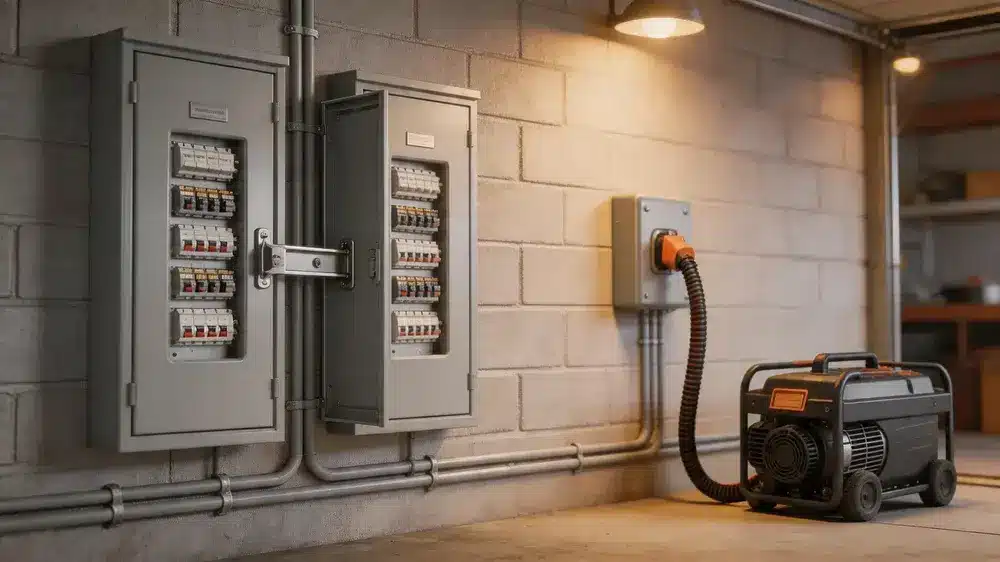
Outages can keep your lights, refrigerator, Internet and more from functioning. In these cases all you need is the backup system to ensure these devices continue to operate when the main power goes out.
Today, it’s very important to have an alternative source of power. One of the most popular choices is a generator that powers the critical electrical systems like lighting, refrigeration, internet and other appliances during a power outage.
To connect the generator to your home appliances, you need the right switch size. Moreover, many modern generator solutions
Incorporate features to prevent accidental switching of power to prevent safety hazards. The reason that transfer switches are important is that they ensure the generator is safely connected to the appropriate circuits.
Therefore, if you know how to select the suitable size, it will be easier to select the proper electrical equipment to install in your house.
There is a quick guide to help you select the best transfer switch for your generator.
Common Transfer Switch Sizes for Homes
Transfer switches come in different sizes for houses. Most homes use switches rated between 30 and 200 amps, depending on the amount of power they need. The size of your electrical panel and generator usually helps decide the right switch size.
- Smaller homes with fewer appliances typically use a 30-amp switch to power the basics. This includes the fridge, some basic lights, the internet router, and some plug points. Portable generators are often connected to switches in this range for temporary backup.
- For bigger homes, switches rated between 60 and 100 amps are more common. For homes with even larger electrical panels, a 200-amp switch is necessary to support the whole house. Consider buying an inverter generator when planning your backup power.
Essential Considerations for Selecting the Right Generator Transfer Switch Size
There are some important points to consider when choosing the right switch size. It’s good to compare the generator’s capacity with your house’s electricity needs.
Study the Basic Functions of a Generator Transfer Switch
A transfer switch connects your generator power to certain circuits in your house when the main power fails. It keeps the generator’s power separate from the public power lines. This also prevents the current from flowing back into the electric circuits, which can otherwise be very dangerous.
It also protects your home’s electrical devices. The switch ensures power is switched smoothly and that the electrical load is safe for your wiring.
Calculate the Total Power Your Home Needs
A decision to determine the backup supply of electricity required during power outages should be made. To do this, you must create a quick list of all the appliances you’ll want to use during a power outage that require electricity. The standard equipment usually includes the Internet connection, a couple of lights and a few fans, and a fridge.
Every appliance consumes a specific amount of electricity, in watts. Certain appliances such as refrigerators require a higher initial power. Add up the power needed for all your appliances to estimate the size of the generator and switch you need.
Read more: AI Startup Funding News Drives Big Shifts in Tech
Match the Transfer Switch With Your Generators
For safety, the power size of your generator should be the same size as the switch. Smaller portable generators typically are connected to smaller switches that can operate limited appliances – such as refrigerator and lighting.
If the generator is large enough to power the entire house, then this requires larger switches. Therefore, it is important to make sure that the electrical panel and wiring in your home will be able to accommodate this additional power.
Also, keep in mind the manual recommendations for the size of the switches and installation instructions for the generator.
Manual vs Automatic Generator Transfer Switch
Generator Transfer switches come in two types: manual and automatic. Manual switches need you to activate them when the power goes out. They are simple to use and cheaper to install.
Automatic switches detect power loss and switch to generator power automatically. These are often used in permanent standby generator systems. If you want constant power without doing anything, automatic switches are a good choice.
Plan According to Potential Future Power Needs
When you install new appliances and devices in your home, it can use more electricity in the future. New appliances, AC units, or TVs require more electricity.
A larger switch than required at the time might be beneficial in the long run. This is because it will have a balance in the near future to be able to handle other electric devices as well. It’s also easier to add new circuits to a bigger switch, since you don’t have to change anything.
Practical Tips Before Installing a Generator Transfer Switch
It’s crucial to seek professional assistance. Your licensed electrician will inspect all your electrical panels prior to installing the switch. They will ensure that everything fits and is safe.
Old wiring may need to be replaced before the higher power levels can be utilised. A professional installation will ensure everything is installed safely and in accordance with safety regulation and guidelines.
Conclusion
Having a back up power system is essential to keeping your appliances running when power is out. If the generator and switch are properly planned, the appropriate size generator and switch will be used for the installation.
When the power goes out, you’ll need to have the right generator transfer switch installed correctly by an expert, so you can have peace of mind knowing your home will be kept powered up.