

Not Just 18-Wheelers: Liability in Amazon, FedEx, and Box Truck Crashes
Delivery vehicles are everywhere in 2026. Amazon, FedEx, UPS, and countless third-party logistics companies flood residential streets, highways, and commercial zones with drivers under intense pressure to meet unrealistic delivery quotas. That pressure creates dangerous…
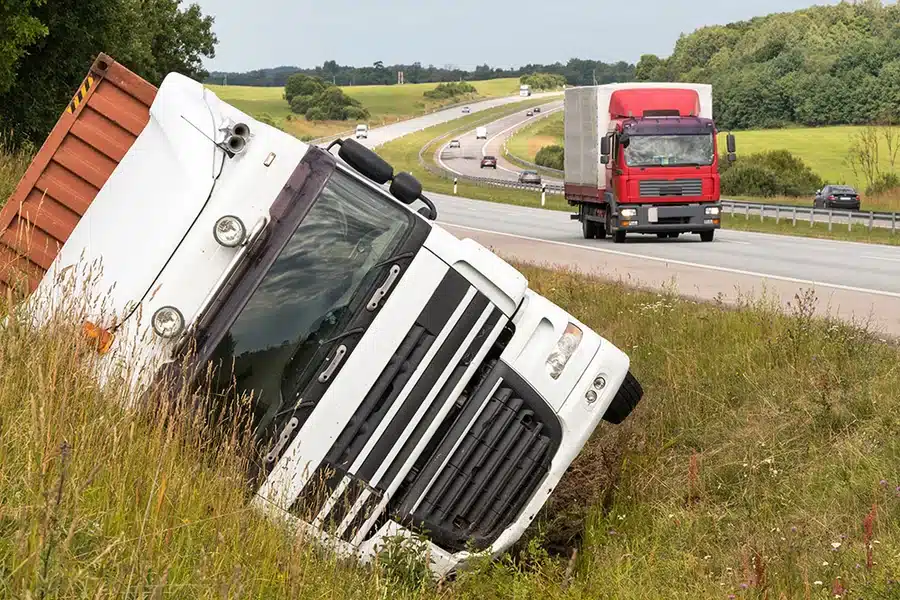
Delivery vehicles are everywhere in 2026. Amazon, FedEx, UPS, and countless third-party logistics companies flood residential streets, highways, and commercial zones with drivers under intense pressure to meet unrealistic delivery quotas. That pressure creates dangerous driving conditions that result in serious accidents every single day across the country. When those accidents happen, the liability picture is far more complicated than a standard car accident claim.
A Tulsa truck accident attorney who understands the delivery industry knows that these cases involve layered corporate structures specifically designed to limit liability. Identifying every responsible party requires a deep understanding of how these companies structure their driver relationships, insurance arrangements, and operational oversight. Getting that analysis right from the start is what separates a full recovery from a partial one.
The Corporate Shell Game Delivery Companies Play
Amazon, FedEx, and similar companies rarely employ their delivery drivers directly. They use a network of independent delivery service partners, third-party contractors, and franchised operators to create legal distance between themselves and the people actually driving the vehicles. When an accident happens, that distance becomes a shield they use aggressively to deflect liability onto the smallest and least-resourced entity in the chain.
This structure is intentional and well-documented. Courts across the country have increasingly seen through it when plaintiffs’ attorneys present evidence that the parent company exercised operational control over drivers through apps, GPS monitoring, algorithmic route management, and performance metrics. Control is the legal key that unlocks parent company liability regardless of what the employment contract says.
How Driver Pressure Creates Accident Conditions
Delivery drivers in 2026 operate under algorithmic management systems that track every minute of their day. Late deliveries trigger warnings, poor performance scores affect assignments, and drivers who cannot meet quota face losing their contracts entirely. That pressure produces predictable and dangerous driving behaviors, including speeding, distracted driving from constant app interaction, and skipping rest breaks to stay on schedule.
When a crash results from those pressures, the company whose algorithm created them shares responsibility for the outcome. Internal communications, driver performance records, and delivery quota documentation all become relevant evidence in establishing that the company’s operational demands were a contributing cause of the accident. That evidence lives inside corporate systems and must be requested through legal channels before it disappears.
Box Trucks and the Regulatory Gap They Fall Into
Vehicles under a certain weight do not have to follow all Federal Motor Carrier Safety Administration rules for large trucks. This means drivers may not need a commercial driver’s license, may not have hours-of-service limits, and might not require the same drug testing as commercial truck drivers.
Here is what that regulatory gap means for accident victims:
- No mandatory hours-of-service logs leave victims without one of the most powerful evidence sources available in commercial truck cases.
- Lower licensing requirements mean drivers may have been placed behind the wheel of a large vehicle without adequate training or vetting.
- Reduced drug testing obligations, creating a situation where impairment may have contributed to the crash without any documentation to support that finding.
- Less rigorous vehicle inspection requirements allow mechanical defects to go undetected and unaddressed for longer periods.
- Smaller insurance minimums may be insufficient to cover serious injury damages without pursuing additional defendants.
Understanding where a specific vehicle falls in the regulatory framework is one of the first analytical steps an experienced attorney takes in these cases.
When the Vehicle Itself Is the Problem
Not every delivery truck crash comes down to driver error or corporate pressure. Sometimes the vehicle itself is defective. Faulty braking systems, tire blowouts from poor maintenance, defective loading equipment, and cargo securement failures can all cause or contribute to serious accidents. When that happens, the manufacturer or the company responsible for vehicle maintenance enters the liability picture alongside the driver and the delivery company.
Delivery fleets are often maintained by third-party service providers under contracts with the operating company. When a maintenance failure contributes to a crash, that service provider can be named as a defendant in addition to the delivery company. Tracking down maintenance records, service histories, and inspection logs requires prompt legal action because these documents are not preserved indefinitely.
Insurance Layers That Complicate Every Claim
Delivery vehicle accidents involve multiple overlapping insurance policies that create confusion and conflict during the claims process. The delivery company carries a commercial fleet policy. The independent contractor may carry their own commercial vehicle policy. The parent company may have a supplemental liability policy that activates under specific conditions. Each insurer has an incentive to argue that another policy should pay first.
Navigating that multi-layered insurance environment without legal representation almost always results in victims receiving less than they are owed. An experienced attorney maps the insurance landscape early, identifies all available coverage, and pursues each source strategically rather than accepting the first policy offered as the only one available. The total available coverage is often significantly larger than what any single insurer will voluntarily disclose.
Gathering Evidence Before the Company Closes the Case
Delivery companies have sophisticated claims response teams that begin working immediately after a serious accident. Their goal is to gather information, protect the company’s interests, and position the case for the most favorable outcome possible before the injured party has legal representation. Every hour without an attorney is an hour that the process runs unopposed.
Critical evidence, including dashcam footage from the delivery vehicle, GPS route data, delivery app records, driver performance logs, and vehicle inspection histories, must be requested through legal preservation notices before automatic deletion cycles erase them. Some delivery companies retain vehicle footage for as little as 48 hours before it is overwritten. The speed with which legal action begins after a delivery vehicle accident directly determines how much evidence is available to support the claim.
What Injured Victims Should Do Right After the Crash
What you do in the first few hours after a delivery vehicle accident is very important. Staying calm and following the right steps ensures your safety and helps you legally later on. Don’t let the confusion of the moment make you skip steps that can’t be repeated.
First, call 911 to get an official police report. Take photos of the delivery vehicle, including its markings, license plate, and any damage. Note the delivery company’s name and any details on the driver’s uniform. Seek medical help even if you feel fine, as adrenaline can mask injuries. Finally, contact a truck accident attorney before speaking to any insurance representatives.