

A Sizing Guide for Classic Lifestyle Sneakers
Sizing Guide: Classic lifestyle sneakers work almost everywhere. They fit naturally into campus outfits, casual workplaces, daily commutes and weekend…
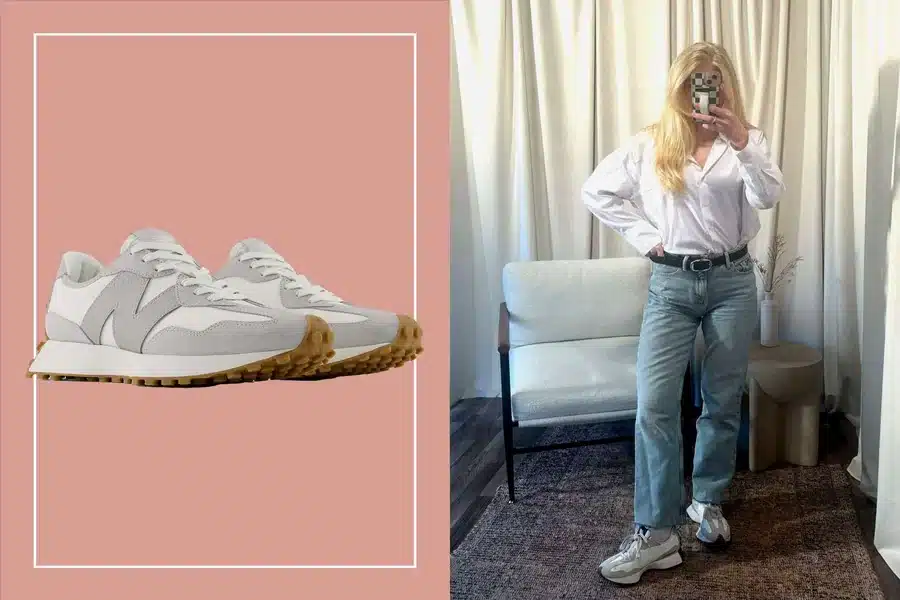
Classic lifestyle sneakers work almost everywhere. They fit naturally into campus outfits, casual workplaces, daily commutes and weekend plans. Their versatility makes them a staple in many wardrobes, but finding the right size can be more challenging than many shoppers expect. Two sneakers that appear nearly identical can fit completely differently once they are on foot.
Sizing involves more than choosing the number you usually wear. Toe box shape, heel construction, upper materials and overall sneaker anatomy all influence comfort. Many shoppers compare styles such as adidas Samba because classic silhouettes usually fit differently than modern athletic footwear. Understanding how sizing works can help you avoid returns, improve comfort and choose sneakers that feel great from the first wear.
Why Classic Sneakers Rarely Fit the Same
Many people assume that a size 9 will fit the same across every sneaker, but that is rarely the case. Manufacturers use different shapes, molds and construction methods, which can significantly affect fit. Classic lifestyle sneakers frequently feature lower-profile designs, and some provide more forefoot room than others.
Materials also play a role. Leather feels more structured at first, while softer materials may adapt more quickly to the foot. Because of these differences, sizing should serve as a starting point rather than a guarantee. Understanding how a sneaker is built helps create more realistic expectations before purchasing.
Start With Your Actual Foot Measurements
The best sizing decisions begin with accurate measurements. Many people rely on a size they learned years ago without checking whether their feet have changed over time. Starting with current measurements creates a much better foundation for finding the right fit.
1. Measure Length and Width – Foot length helps determine size, but width influences comfort just as much. A sneaker can have the correct length and still feel uncomfortable if the forefoot area is too narrow or too wide. Measuring both dimensions provides a more complete picture of how a shoe may fit.
2. Measure Both Feet – Most people have one foot that is slightly larger than the other. Always use the larger foot as your sizing reference when selecting sneakers. This approach helps reduce pressure and improves overall comfort.
3. Measure Later in the Day – Feet naturally expand after hours of walking and standing. Taking measurements later in the day provides a more realistic representation of how sneakers will fit during regular wear. This small step can help prevent sizing mistakes.
Understand the Parts of a Sneaker That Affect Fit
Several sneaker components influence sizing and comfort. Looking beyond the size label helps explain why some shoes feel better than others.
- Toe Box – Controls how much room the toes have to move naturally.
- Heel Counter – Helps secure the heel and reduce unwanted movement.
- Collar – Affects comfort around the ankle area.
- Tongue – Influences pressure across the top of the foot.
- Upper Material – Determines flexibility and break-in characteristics.
- Midsole – Contributes to underfoot comfort and support.
Each component works together to create the overall fit experience.
Why Toe Box Shape Matters More Than Many Realize
The toe box plays a major role in comfort because it controls how the forefoot sits inside the sneaker. Many fit issues begin in this area rather than at the heel. A rounded toe box generally provides more room for natural toe movement. Tapered designs create a sleeker appearance but may feel restrictive for wider feet. The correct shape depends on individual foot structure rather than personal preference alone.
When trying on classic sneakers, pay attention to how the forefoot feels while standing and walking. Toes should move comfortably without pressing against the sides or front of the shoe. Small pressure points become larger problems after several hours of wear.
Men’s, Women’s and Kids’ Sizes Are Not Identical
Sizing categories help organize footwear, but they do not always translate perfectly across styles. Men’s and women’s sizing systems use different numerical scales, even when physical measurements overlap.
Width can also vary between categories. Some women’s styles feel narrower, while some unisex models offer a more balanced fit. Understanding these differences can help shoppers make better sizing decisions.
For younger wearers, common categories include:
- Grade school kids’
- Grade school girls’
- Grade school boys’
- Preschool kids’
- Preschool girls’
- Preschool boys’
- Toddlers’ shoes
- Toddler girls’
- Toddler boys’
Checking category-specific size charts helps improve accuracy.
Common Sizing Mistakes That Cause Problems
Several mistakes repeatedly lead to uncomfortable sneakers and unnecessary returns.
- Buying Based Only on Previous Sizes – Different models fit differently.
- Ignoring Width Measurements – Length alone does not determine comfort.
- Sizing Up Too Much – Excess space can cause instability and heel movement.
- Testing While Sitting – Standing provides a more accurate fit assessment.
- Forgetting About Socks – Sock thickness can noticeably change fit.
Avoiding these mistakes improves the chances of finding the right size the first time.
Easy Ways to Check Fit
A few simple checks can reveal fit issues before the sneakers become part of your rotation.
- Check Heel Security – The heel should remain stable during walking.
- Test Toe Movement – The toes should move naturally without restriction.
- Evaluate Forefoot Comfort – No significant pressure should develop around the sides.
- Walk for Several Minutes – Movement reveals issues that standing alone may not show.
- Assess Overall Balance – The sneaker should feel secure without feeling tight.
These steps provide a much clearer understanding of real-world comfort.
The Right Size Improves Everything
A properly sized sneaker supports comfort, stability and long-term satisfaction. Even premium materials and iconic designs cannot compensate for a poor fit. Taking a few extra minutes to understand measurements, sneaker anatomy and fit characteristics can prevent frustration later.
Whether you are shopping for adults, grade school kids’ styles or toddlers’ shoes, the same principle applies. For example, even an iconic sneaker such as adidas Samba performs best when the fit matches your foot shape and sizing needs. Choose fit first, and the rest of the sneaker experience becomes much more enjoyable.