

The Global Brotherhood of Metal: How Fans Connect Across Borders
Heavy metal has always been louder than geography. Long before social platforms shaped everyday communication, metal fans were already forming communities that ignored national borders. A band released an album in one country and, almost…
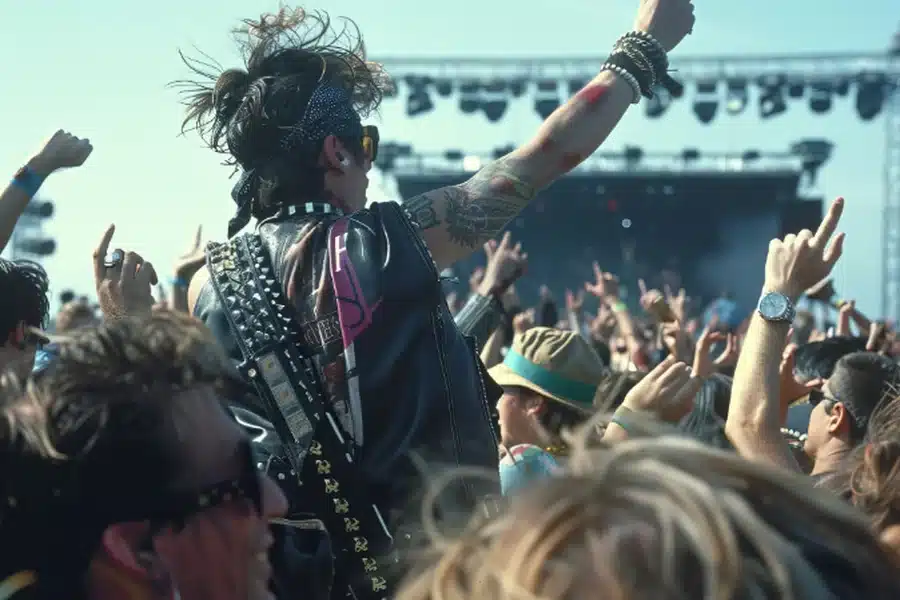
Heavy metal has always been louder than geography. Long before social platforms shaped everyday communication, metal fans were already forming communities that ignored national borders. A band released an album in one country and, almost instantly, listeners somewhere else felt the same rush of energy, the same defiance, the same belonging. The music travelled first through tapes, then through CDs, and later through streaming — but the connection it created remained remarkably human.
A Community Built Before the Internet
Metal’s global reach developed through persistence rather than technology. In the 1980s and 1990s, fans relied on letter writing, fanzines, and tape trading. Those practices required effort and patience, which ironically made connections stronger.
Fans shared more than recordings. They exchanged artwork, lyrics translations, and personal stories. Over time, people who had never met began to recognize each other’s handwriting and personality. Trust developed slowly, and therefore it lasted.
These activities created a sense of belonging long before online profiles existed. Even today, many long-time fans still remember the first international friend they made through music.
Festivals: The Physical Gathering Points
As travel became easier, the relationships formed through music began appearing in physical spaces. Festivals became meeting grounds where people who had corresponded for years could finally meet face to face.
At a festival campsite, language barriers quickly dissolve. A shared riff or chorus becomes a universal introduction. Strangers help each other pitch tents, share food, and exchange recommendations about bands to see.
| Festival experience | What it creates |
| Waiting for the gates to open | Instant conversations |
| Camping together | Trust and cooperation |
| Watching performances | Shared emotional memory |
| Traveling long distances | Mutual respect |
The music may be the reason fans arrive, yet the friendships are often the reason they return.
The Online Era Strengthened the Same Bonds
When online forums and message boards appeared, they did not replace the community — they amplified it. Instead of waiting months for a reply, fans could talk instantly. Later, voice chat and group messaging deepened interaction further.
Metal forums became gathering halls where people debated albums, recommended underground bands, and helped newcomers discover the genre. Importantly, the tone was different from typical online spaces. Respect mattered. Knowledge was valued, but enthusiasm mattered more.
How Modern Metal Fans Stay Connected
- Weekly listening sessions together
- Group chats during album releases
- Sharing concert recordings and photos
- Helping others discover new bands
- Planning future festival meetups
Because these interactions repeat regularly, they feel closer to meeting friends at a local venue than posting online.
Conversations between fans often begin with favorite albums and guitar tones, yet they rarely stay there. Late-night discussions after listening sessions move into everyday life, travel stories, and shared curiosity. Someone might even jokingly search for how to meet a single Baltic lady online while learning about a friend’s culture. In many cases, those interactions continue long after the music stops, showing that the metal community is sustained not by trends but by relationships.
Why Metal Fans Connect So Easily
The genre’s themes play a role. Metal often explores struggle, perseverance, and individuality. Fans recognize parts of their own experiences in those messages. When two people connect over a song that carried them through a difficult moment, conversation becomes meaningful immediately.
Additionally, metal culture values authenticity. Listeners rarely judge based on status, profession, or background. Instead, discussions revolve around music knowledge, personal stories, and shared excitement.
| Communication channel | Social effect |
| Forum discussions | Shared learning |
| Voice chats | Personality recognition |
| Concert meetups | Lasting friendships |
| Collaborative playlists | Cultural exchange |
These channels do not simply share information; they create emotional familiarity.
Beyond Music: Cultural Exchange
Once friendships form, conversations expand naturally. Fans discuss local traditions and teach each other basic phrases in their languages. This informal learning fosters an understanding that feels more genuine than structured cultural education.
Metal fans often become informal ambassadors for their countries. They recommend travel destinations, explain holidays, and guide visiting friends during tours. A concert trip becomes an opportunity to experience another culture with someone already trusted.
Interestingly, this exchange works because it is voluntary. No one joins a metal community to learn geography or sociology — yet both happen naturally.
The Role of Loyalty and Trust
One reason the metal community endures is loyalty. Fans support bands for decades and extend the same reliability to friendships. If someone cannot attend a festival, others share recordings. If a friend travels internationally, someone offers a place to stay.
Common Values Observed In Metal Communities
- Respect for passion
- Support during difficult times
- Appreciation for honesty
- Enthusiasm for discovery
- Protection of the community atmosphere
These values resemble those found in long-standing social clubs or neighborhood groups, except they operate globally.
Not Just Entertainment
Many people initially see metal as a musical preference, but for participants, it functions more like a shared language. Wearing a band shirt abroad often leads to spontaneous conversation. Recognition is immediate and effortless.
Because the connection is based on mutual interest rather than proximity, friendships tend to persist even when circumstances change. People switch jobs, cities, or countries, yet their communication continues. The music becomes a stable reference point in changing lives.
A Worldwide Network Without Formal Structure
Unlike organized organizations, the metal community has no central authority. There is no membership card, and no official meeting schedule. Still, its structure works. Regular album releases, touring cycles, and festivals provide rhythm.
Fans instinctively understand how to participate: listen, share, support, and welcome newcomers.
This organic structure explains why the community adapts easily to new technology while preserving its identity. Whether through letters, forums, or modern chat platforms, the core purpose remains unchanged — connection.
The Future of the Metal Brotherhood
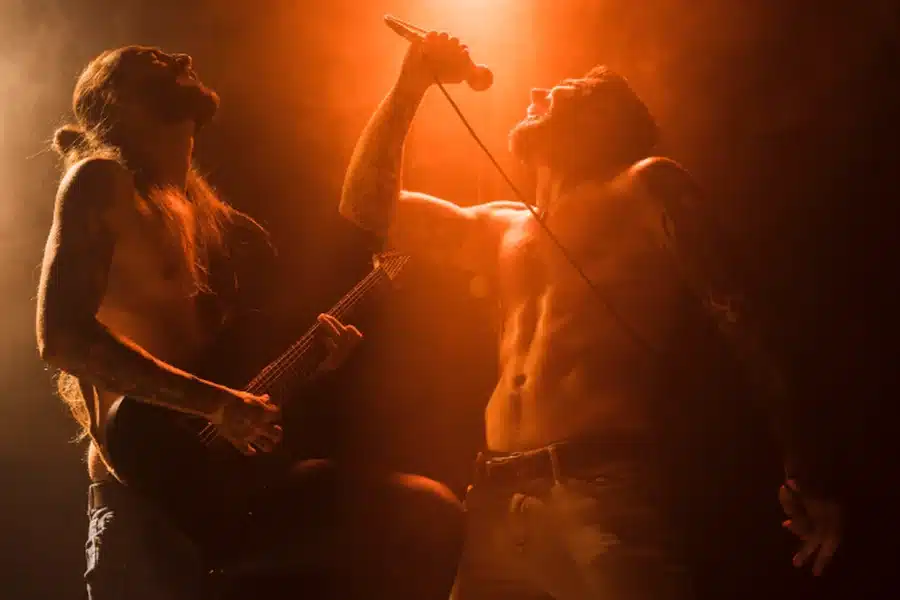
As global communication improves, the metal scene will likely continue strengthening its international ties. Younger fans enter through streaming platforms, yet they quickly discover the same traditions: discussion, recommendation, and mutual respect.
What began as music appreciation has evolved into a social ecosystem. People who once met over shared riffs now celebrate milestones together, travel across continents to reunite, and maintain friendships spanning decades.
Ultimately, the metal community demonstrates something simple but powerful: meaningful connection does not require proximity. It requires shared experience, consistency, and sincerity. Heavy metal provides all three, and that is why its worldwide brotherhood continues to grow.